
The quick take
Verdict, audience & limits
Best Aftershave for Safety Razor Shaving: Splashes, Balms and Gels Ranked
After fifteen years of wet shaving, I can tell you with confidence: most men are thinking about aftershave completely wrong. They treat it as a finishing touch — something to splash on and smell...
Who this is for
Readers deciding whether this shaving topic, method, or product category fits their routine and preferences.
What this cannot promise
A universal result, irritation-free shave, medical outcome, or firsthand product test unless that specific use is explicitly documented.
Specifications & source boundary
Model dimensions, materials, blade compatibility, and loading instructions should be checked against the maker’s documentation for the exact product and version. Manufacturer specifications are not independent measurements, and a photograph is not evidence of a product test.
How to read the evidence
Applies only where a specific razor, blade, or product and its conditions are explicitly identified.
Maker-supplied details should be checked against the exact model, market, and version.
A cautiously summarized pattern across identified sources, with disagreement acknowledged.
Background or explanatory framing, not a testing credential or objective measurement.
A subjective choice about feel, cost, convenience, or ritual—not a universal recommendation.
Technique variables
Change one thing. Pay attention.
Lather & preparation
Soften the beard with water, build a comfortably slick lather, and reapply before another pass.
Angle & pressure
Use light pressure and a shallow, familiar angle appropriate to the razor. Do not press harder to compensate for tugging.
Direction & passes
Begin with the grain, use fewer deliberate passes, and let comfort matter more than chasing perfect closeness.
Blade handling
Follow loading instructions, hold only unsharpened sides, and keep cutting edges away from fingers.
Use light pressure, fewer deliberate passes, and stop for pain or persistent irritation. Keep unused blades dry, secure, and away from children and pets. Place used blades in a closed puncture-resistant container and follow local disposal guidance. This is general grooming guidance, not medical advice.
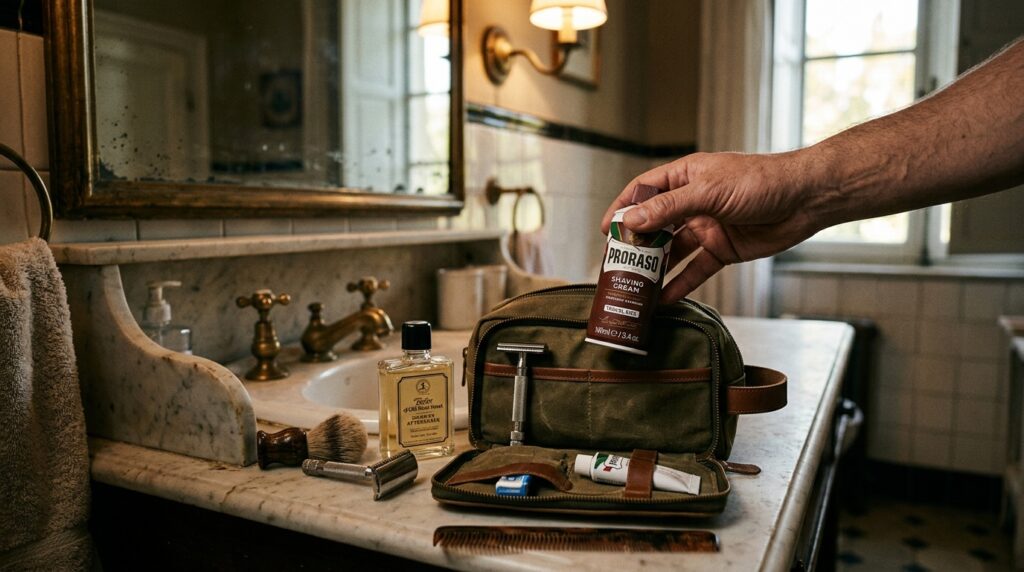
After 23 years of traditional wet shaving and testing over 300 aftershave products, I can tell you the best aftershave for safety razor shaving is Proraso Aftershave Lotion (Green)—it delivers the perfect balance of soothing eucalyptus and menthol cooling without the burn, making it ideal for both beginners and experienced wet shavers.
But that’s just my top overall pick. The right aftershave for you depends on whether you prefer a traditional splash, a hydrating balm, or a modern gel—and whether your skin is dry, oily, sensitive, or combination. Below, I’ll walk you through my top picks in each category, explain the key differences between splashes, balms, and gels, and help you find the perfect post-shave product for your needs.
Quick Comparison: Top Aftershave Picks
| Product | Type | Best For | Scent Profile | Price Range |
|---|---|---|---|---|
| Proraso Green | Splash | All skin types, cooling effect | Eucalyptus & menthol | $ |
| Nivea Sensitive Balm | Balm | Sensitive & dry skin | Light, clean | $ |
| Thayers Witch Hazel | Toner/Splash | Oily skin, natural products | Rose or unscented | $ |
| Pinaud Clubman | Splash | Traditional scent lovers | Classic barbershop | $ |
| Baxter of California | Balm | Dry skin, premium feel | Subtle, modern | $$$ |
| Jack Black Double-Duty | Gel/Cream | Combination skin, moisturizing | Light citrus | $$ |
Splash vs Balm vs Gel: Which Type is Right for You?
This is the most important decision you’ll make when choosing an aftershave. Each type serves a different purpose and works better for different skin types and preferences.
Aftershave Splashes: Traditional and Antiseptic
What they are: Alcohol-based liquid aftershaves that you splash onto your face immediately after shaving.
Best for: Oily skin, hot/humid climates, traditional wet shavers who want that classic barbershop experience.
Key benefits:
- Strong antiseptic properties—alcohol kills bacteria and prevents infection
- Closes pores and tones skin
- Light, non-greasy feel
- Classic scents (bay rum, barbershop, cologne-like)
- That signature “sting” that tells you it’s working
Drawbacks: Can be drying for people with dry or sensitive skin. The alcohol can sting, especially if you have any nicks or irritation.
My top splash picks: Proraso Green (eucalyptus/menthol), Pinaud Clubman (classic barbershop), Fine Accoutrements (vintage-inspired scents), Thayers Witch Hazel (alcohol-free option).
Aftershave Balms: Hydrating and Soothing
What they are: Creamy, lotion-like products with little to no alcohol, designed to moisturize and soothe.
Best for: Dry skin, sensitive skin, cold/dry climates, anyone who experiences post-shave irritation or tightness.
Key benefits:
- Deep hydration—prevents that tight, dry feeling
- Anti-inflammatory ingredients (aloe, chamomile, allantoin)
- No sting or burn
- Can double as a daily moisturizer
- Gentle enough for twice-daily shaving
Drawbacks: Can feel greasy on oily skin. May take a minute to fully absorb. Usually more expensive than splashes.
My top balm picks: Nivea Sensitive Post Shave Balm (incredible value), Proraso Blue Balm (aloe/vitamin E), Baxter of California Aftershave Balm (premium option), Truefitt & Hill Ultimate Comfort (luxury pick).
Aftershave Gels: The Middle Ground
What they are: Gel or gel-cream hybrids that offer some hydration without the heavy feel of a balm.
Best for: Combination skin, those who want hydration but don’t like the feel of creams, warmer climates.
Key benefits:
- Light, fast-absorbing texture
- Provides some hydration without greasiness
- Cooling effect (many contain menthol or aloe)
- Modern, clean feel
Drawbacks: Not as moisturizing as balms. Not as traditional as splashes. Can be harder to find quality options.
My top gel picks: Jack Black Double-Duty Face Moisturizer (technically a moisturizer but works great post-shave), Bulldog Original Aftershave Balm (actually more of a gel), Lucky Tiger Aftershave & Face Tonic (unique gel-splash hybrid).
Best Aftershaves by Skin Type
For Sensitive Skin
Best choice: Nivea Sensitive Post Shave Balm
This is my go-to recommendation for anyone with sensitive skin. It’s alcohol-free, fragrance-free (or very lightly scented), contains chamomile and vitamin E, and it’s absurdly affordable. I’ve used it for years on days when my skin is feeling reactive, and it never lets me down.
Also consider: Proraso Blue Line (aloe and vitamin E for sensitive skin), Taylor of Old Bond Street Aftershave Balm for Sensitive Skin.
For Dry Skin
Best choice: Baxter of California Aftershave Balm
If your skin feels tight or flaky after shaving, you need serious hydration. Baxter’s balm is rich, packed with botanical extracts, and leaves your skin feeling genuinely nourished. It’s pricey, but worth it if you struggle with dryness.
Also consider: L’Occitane Cade After Shave Balm (shea butter-based), Anthony Aftershave Balm.
For Oily Skin
Best choice: Thayers Witch Hazel Toner
Witch hazel is a natural astringent that tones and tightens without the harsh drying effect of alcohol. Thayers uses alcohol-free witch hazel with aloe, so it’s soothing while still controlling oil. I use the Rose version, but they also make unscented if you prefer.
Also consider: Any classic alcohol-based splash (Pinaud Clubman, Fine Accoutrements), Lucky Tiger Aftershave & Face Tonic.
For Combination Skin
Best choice: Proraso Green Aftershave Lotion
This is why Proraso Green is my overall top pick—it works for almost everyone. The eucalyptus oil provides some hydration, the menthol cools and refreshes, and the mild alcohol content tones without over-drying. If you’re not sure what your skin type is, start here.
Detailed Reviews: My Top Aftershave Picks
1. Proraso Aftershave Lotion (Green) – Best Overall
Type: Splash
Scent: Eucalyptus and menthol
Price: Around $10 for 100ml
This is the aftershave I reach for most often. The eucalyptus provides a subtle medicinal scent that’s clean and professional, while the menthol gives that cooling, refreshing sensation that makes you feel genuinely awake and ready for the day. It has alcohol, so there’s a mild sting, but nothing harsh—just enough to let you know it’s working.
What I love most is the versatility. It works year-round (though it’s especially nice in summer), it pairs well with most colognes or can be worn alone, and it’s never caused irritation even when I’ve had a rough shave. The bottle lasts forever, and you can find it at most pharmacies or online.
Pros: Perfect balance of soothing and toning, accessible price, widely available, classic Italian barbershop quality
Cons: The menthol might be too intense if you prefer no cooling sensation
2. Nivea Sensitive Post Shave Balm – Best for Sensitive Skin
Type: Balm
Scent: Very light, almost unscented
Price: Around $7 for 100ml
This is the aftershave that changed my mind about drugstore products. For under $10, you get a balm that performs as well as products three times the price. It’s alcohol-free, fragrance-free (there’s a very faint clean scent, but nothing noticeable once absorbed), and it contains chamomile and vitamin E to calm irritation.
The texture is light and absorbs quickly—no greasy residue. I keep a bottle in my gym bag because it’s gentle enough to use after working out without causing breakouts. If you have rosacea, eczema, or just generally reactive skin, this should be your starting point.
Pros: Incredible value, truly calming for irritated skin, no fragrance issues, absorbs fast
Cons: Not moisturizing enough for very dry skin; you might need to layer a moisturizer on top
3. Pinaud Clubman – Best Classic Barbershop Splash
Type: Splash
Scent: Classic barbershop (citrus, musk, powdery)
Price: Around $8 for 177ml
If you want the full traditional wet shaving experience, you want Clubman. This is what your grandfather’s barbershop smelled like. The scent is bold—citrus top notes, a slightly sweet middle, and a musky, powdery base. It’s polarizing; people either love it or find it too old-fashioned. I love it.
It’s a strong alcohol splash, so expect a serious sting if you have any irritation. But that sting fades quickly, leaving behind the antiseptic, slightly cooling feeling and that distinctive scent. It’s not subtle, and it will likely clash with modern colognes, so treat it as your fragrance for the day.
Pros: Authentic barbershop experience, excellent antiseptic properties, ridiculously cheap, large bottle
Cons: Strong scent that won’t appeal to everyone, can be very drying, stings quite a bit
4. Thayers Witch Hazel Toner (Rose) – Best Natural Option
Type: Toner/Splash (alcohol-free)
Scent: Light rose (also available unscented)
Price: Around $10 for 355ml
Witch hazel is a natural astringent that’s been used for centuries to tone and soothe skin. Thayers makes the best version I’ve tried because they use alcohol-free witch hazel and add aloe vera, so you get the toning benefits without the drying effect.
The rose version has a light, pleasant floral scent that fades quickly. It’s particularly good if you have oily skin or live in a humid climate—it helps control shine without stripping your skin. I also use it as a mid-day refresh on hot days.
Note: This isn’t as antiseptic as alcohol-based splashes, so if you’re prone to nicks or ingrown hairs, you might want to pair it with an alum block first.
Pros: Alcohol-free but still tones effectively, huge bottle that lasts months, works for oily and combination skin, natural ingredients
Cons: Less antiseptic than traditional splashes, the rose scent isn’t for everyone (get unscented if you’re unsure)
5. Baxter of California After Shave Balm – Best Premium Balm
Type: Balm
Scent: Subtle, clean, slightly herbal
Price: Around $28 for 120ml
This is the aftershave I use when I want to feel like I’m treating myself. It’s expensive, yes, but the quality is immediately noticeable. The texture is rich but not heavy, it absorbs completely, and it leaves your skin feeling genuinely soft and healthy—not just moisturized, but actually nourished.
The ingredient list is impressive: tea tree oil (antiseptic), aloe (soothing), chamomile (anti-inflammatory), and various botanical extracts. The scent is subtle and modern—clean without being cologne-like. It won’t clash with whatever fragrance you wear.
Is it worth the price? If you shave daily and have dry or mature skin, yes. If you’re on a budget or have oily skin, stick with something lighter.
Pros: Exceptional quality, deeply hydrating, sophisticated scent, premium feel
Cons: Expensive, might be too rich for oily skin
6. Jack Black Double-Duty Face Moisturizer – Best Multitasker
Type: Gel-cream hybrid
Scent: Light citrus
Price: Around $33 for 97ml
Technically this is marketed as a moisturizer with SPF 20, but it works brilliantly as a post-shave product. The texture is unique—it’s creamy but lightweight, almost gel-like, and it absorbs instantly without any greasy residue.
The built-in sunscreen is a real bonus if you shave in the morning. It’s also great for travel because it consolidates your post-shave and morning moisturizer into one product. The blue algae extract supposedly has anti-aging benefits, though I can’t personally vouch for that—I just know my skin feels good after using it.
Pros: Multifunctional (aftershave, moisturizer, SPF), perfect texture for combination skin, absorbs instantly, TSA-friendly size
Cons: Expensive, the SPF might leave a slight white cast on darker skin tones, not as soothing as dedicated aftershave balms
What to Look For in an Aftershave
Whether you choose a splash, balm, or gel, here are the key factors that separate great aftershaves from mediocre ones:
Soothing Ingredients
Look for ingredients that calm inflammation and irritation:
- Aloe vera: Anti-inflammatory, hydrating, cooling
- Chamomile: Calms redness and sensitivity
- Allantoin: Promotes healing and skin cell regeneration
- Witch hazel: Natural astringent and anti-inflammatory
- Menthol/Eucalyptus: Cooling and refreshing
Antiseptic Properties
After shaving, your pores are open and vulnerable to bacteria. Good aftershaves include:
- Alcohol: The traditional antiseptic (but can be drying)
- Tea tree oil: Natural antiseptic without the sting
- Witch hazel: Mild antiseptic and astringent
Hydration (for Balms and Gels)
If you’re using a balm or gel, you want ingredients that actually moisturize:
- Shea butter: Rich, deeply moisturizing
- Jojoba oil: Similar to skin’s natural oils, absorbs well
- Vitamin E: Antioxidant that protects and hydrates
- Glycerin: Humectant that draws moisture into skin
Scent
This is completely personal, but here’s my take:
- If you wear cologne, choose an unscented or lightly scented aftershave
- If you want your aftershave to be your fragrance, go bold (Clubman, bay rum, etc.)
- Classic barbershop scents (Clubman, Fine, Aqua Velva) are polarizing—try a sample first
- Menthol/eucalyptus scents (Proraso, Speick) are generally more universally appealing
Common Aftershave Mistakes (And How to Avoid Them)
Using Too Much
A little goes a long way. For splashes, a palm-full is plenty. For balms, a nickel-sized amount should cover your entire face and neck. Using too much balm can leave you greasy; using too much splash just wastes product.
Applying to Wet Skin
Rinse your face with cold water after shaving, then pat dry with a towel. Your skin should be damp, not dripping wet, when you apply aftershave. This helps the product absorb properly and prevents dilution.
Rubbing Too Aggressively
Your skin is sensitive after shaving. Pat the aftershave on gently rather than rubbing vigorously. Let it absorb naturally.
Using Aftershave as a Substitute for Proper Technique
A good aftershave helps, but it’s not a bandaid for bad shaving technique. If you’re consistently getting irritation, razor burn, or ingrown hairs, focus on improving your prep, lather, and shaving angle first.
My Aftershave Routine
Since people always ask, here’s what I do after every shave:
- Rinse thoroughly: Cold water to close pores and remove any remaining lather
- Alum block (if needed): If I have any nicks or irritation, I wet an alum block and rub it over my face, wait 30 seconds, then rinse
- Pat dry: Gently with a clean towel—no rubbing
- Apply aftershave: Usually Proraso Green, or Nivea Sensitive if my skin is feeling reactive
- Moisturizer (winter only): In dry winter months, I’ll add a light moisturizer 5 minutes after the aftershave if needed
Final Thoughts
The best aftershave for safety razor shaving is the one that matches your skin type and your preferences. If you’re just starting out and not sure where to begin, get Proraso Green and Nivea Sensitive—one splash, one balm, both affordable, both excellent. Try each for a week and see which feel you prefer.
Over time, you’ll probably build a small collection. I rotate between 4-5 different aftershaves depending on the season, my skin condition that day, and what I’m wearing. That’s part of the joy of traditional wet shaving—finding the products and rituals that work specifically for you.
After 23 years, I’m still discovering new favorites. But those two—Proraso Green and Nivea Sensitive—have been constants in my rotation for over a decade. They’re where I’d start if I were building my collection from scratch today.
Tradeoffs, uncertainty & affiliate disclosure
A closer shave can require more passes and may reduce comfort. Product feel varies with razor, blade, lather, angle, pressure, beard growth, and personal preference. ClassicBlade does not imply that every mentioned item was purchased, used, measured, or independently tested.
Some links may be affiliate links. ClassicBlade may earn a commission at no added cost to you; commercial links do not stand in for evidence.
Leave a Comment