
The quick take
Verdict, audience & limits
Shaving Soap vs Shaving Cream: Which Gives a Better Lather?
Shaving Soap vs Shaving Cream: Which Gives a Better Lather? After 23 years of wet shaving, I can tell you […]
Who this is for
Readers deciding whether this shaving topic, method, or product category fits their routine and preferences.
What this cannot promise
A universal result, irritation-free shave, medical outcome, or firsthand product test unless that specific use is explicitly documented.
Specifications & source boundary
Model dimensions, materials, blade compatibility, and loading instructions should be checked against the maker’s documentation for the exact product and version. Manufacturer specifications are not independent measurements, and a photograph is not evidence of a product test.
How to read the evidence
Applies only where a specific razor, blade, or product and its conditions are explicitly identified.
Maker-supplied details should be checked against the exact model, market, and version.
A cautiously summarized pattern across identified sources, with disagreement acknowledged.
Background or explanatory framing, not a testing credential or objective measurement.
A subjective choice about feel, cost, convenience, or ritual—not a universal recommendation.
Technique variables
Change one thing. Pay attention.
Lather & preparation
Soften the beard with water, build a comfortably slick lather, and reapply before another pass.
Angle & pressure
Use light pressure and a shallow, familiar angle appropriate to the razor. Do not press harder to compensate for tugging.
Direction & passes
Begin with the grain, use fewer deliberate passes, and let comfort matter more than chasing perfect closeness.
Blade handling
Follow loading instructions, hold only unsharpened sides, and keep cutting edges away from fingers.
Use light pressure, fewer deliberate passes, and stop for pain or persistent irritation. Keep unused blades dry, secure, and away from children and pets. Place used blades in a closed puncture-resistant container and follow local disposal guidance. This is general grooming guidance, not medical advice.
Shaving Soap vs Shaving Cream: Which Gives a Better Lather?
After 23 years of wet shaving, I can tell you this upfront: shaving soap produces a thicker, more protective lather, while shaving cream is faster and easier to work with. Neither is objectively “better”—it depends on what you value more in your shave routine.
I started with my grandfather’s 1959 Gillette Fatboy and a puck of Williams soap. Over the years, I’ve tested hundreds of soaps and creams across every price point, and I’ve learned that this debate isn’t about which product is superior—it’s about understanding what each does differently and matching that to your needs.
The Core Difference: Consistency and Water Content
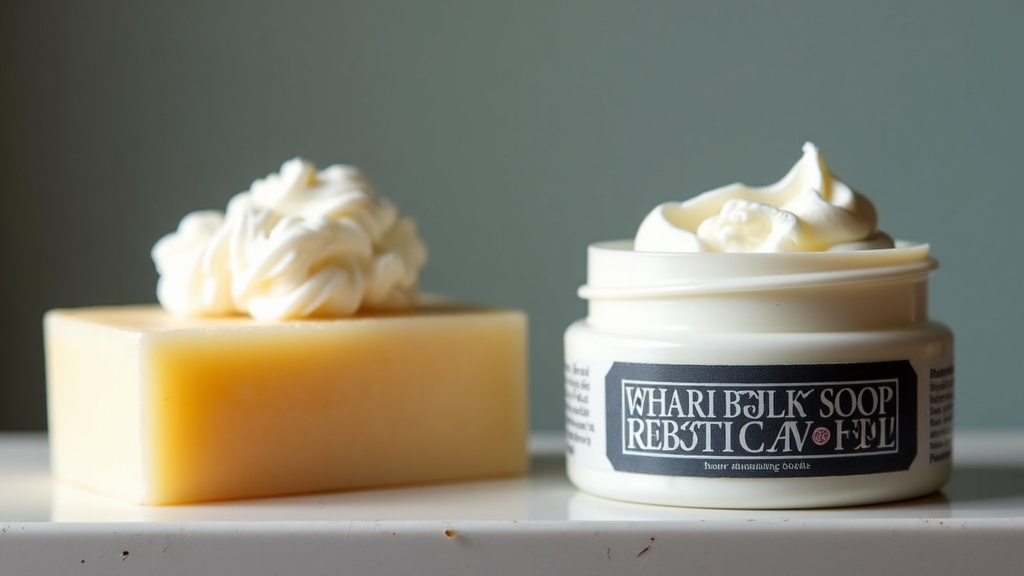
Shaving soap is a hard or semi-hard product that requires you to load your brush by swirling it on the soap puck, then building lather in a bowl or on your face. Shaving cream comes in a softer form—either in a tub or tube—and needs less water and agitation to create lather.
The water content is the key technical difference. Soaps contain roughly 10-15% water, while creams can have 30-50%. This affects everything: shelf life, ease of lathering, and the final texture of what you apply to your face.
When I load a quality shaving soap, I’m typically swirling my brush for 20-30 seconds to pick up enough product. With cream, I scoop an almond-sized amount and I’m building lather in half that time. The trade-off? Soap gives me more control over the final consistency.
Lather Quality: Thickness, Slickness, and Protection
Let’s get specific about what makes a good lather. You want three things: cushion (thickness that protects skin from the blade), slickness (lubrication that lets the razor glide), and stability (it shouldn’t dry out mid-shave).
Shaving soap excels at all three when properly lathered. Because you control the water ratio, you can dial in exactly the texture you want. I prefer a yogurt-like consistency—thick enough to see minimal skin through the lather, slick enough that my razor moves effortlessly. With soap, I can achieve this every time once I know the product.
Shaving cream is more forgiving but has a narrower performance ceiling. It’s harder to mess up—you’ll get a decent lather even if your technique isn’t perfect. But even the best creams rarely match the peak performance of a well-lathered premium soap. The lather tends to be airier, less dense.
Here’s what I’ve observed across 300+ razors and countless shaves: soap lather holds up better during a three-pass shave. Cream lather sometimes thins out or dries on my face if I take my time. This matters more with aggressive razors or if you’re doing touch-up passes.
Shaving Soap vs Shaving Cream: Direct Comparison
| Factor | Shaving Soap | Shaving Cream |
|---|---|---|
| Lather Thickness | Denser, more protective | Lighter, airier |
| Ease of Use | Steeper learning curve | Beginner-friendly |
| Lather Time | 60-90 seconds | 30-45 seconds |
| Cost Per Shave | Lower (lasts 3-6 months) | Higher (lasts 2-4 months) |
| Travel Convenience | Excellent (won’t leak) | Good (tubes travel well) |
| Scent Options | Vast artisan selection | Good variety, fewer artisans |
| Shelf Life | Years if kept dry | 12-18 months typical |
The Learning Curve: Which Is Easier to Master?
I’ll be honest—I’ve seen plenty of beginners struggle with soap. The most common mistake is not loading enough product onto the brush. They swirl for 5-10 seconds, add water, and wonder why they get thin, bubbly foam instead of rich lather.
With shaving cream, that mistake is harder to make. You scoop out a visible amount of product, you see it on your brush, and you work it into lather. The feedback is immediate and obvious.
That said, once you learn soap, you have more control. I can adjust my lather mid-shave—add a few drops of water if it’s too thick, load more soap if it’s breaking down. Cream is more “set it and forget it.” You get what you get from the initial build.
Water Quality Matters More with Soap
If you have hard water, shaving soap becomes significantly more challenging. The minerals interfere with lather formation, and you’ll need to use more product or add citric acid to your water. Cream handles hard water better—not perfectly, but it’s more forgiving.
I learned this the hard way when I moved to a new city with different water. Soaps that lathered beautifully in my old place suddenly felt stubborn. I eventually installed a basic water softener for my bathroom, but if that’s not an option, cream might be your better bet.
Cost and Value: The Long-Term Math
A quality shaving soap costs $15-25 and lasts me 4-6 months with daily use. Premium artisan shaving soaps might run $20-30 but often last even longer because they’re triple-milled or densely packed.
Shaving cream in a tub costs roughly the same but depletes faster—I go through it in 2-4 months. Cream in a tube is even quicker to use up. The math is simple: soap gives you more shaves per dollar.
But here’s the thing—if cream saves you two minutes every morning and you actually enjoy your shave more, that time and enjoyment have value too. I’m not going to tell you to suffer through a product you dislike just to save $3 a month.
Scent, Ingredients, and Skin Sensitivity
The artisan soap market has exploded in the last decade. Brands like Barrister and Mann, Declaration Grooming, and Stirling offer dozens of unique scents in soap form. The cream market is smaller and dominated by classic brands—Taylor of Old Bond Street, Proraso, Truefitt & Hill.
If you love variety and trying seasonal or limited-edition scents, soap is where the action is. If you prefer sticking to a few classics, cream has plenty of excellent options.
For sensitive skin, both can work, but check the ingredients. Some soaps use aggressive cleansing agents or high amounts of fragrance oils. Some creams contain menthol or preservatives that irritate certain skin types. I have better luck with tallow-based soaps—they feel more conditioning than many vegan formulas, though good vegan soaps absolutely exist.
Which Should You Choose?
Choose shaving soap if:
- You want the thickest, most protective lather possible
- You enjoy the ritual and don’t mind a learning curve
- You’re looking for better long-term value
- You want access to artisan scents and small-batch products
- You have soft water or don’t mind adjusting your technique for hard water
Choose shaving cream if:
- You want faster, more consistent results
- You’re new to wet shaving and want an easier start
- You have hard water and don’t want to fight it
- You prefer classic, proven formulas from established brands
- You travel frequently and want something foolproof
My Personal Setup After 23 Years
I keep both in my rotation. My daily driver is a Barrister and Mann soap—the performance is unmatched, and I’ve got my lathering technique down to muscle memory. But when I’m rushed on a Monday morning or traveling for work, I grab a tube of Proraso cream. It works, it’s reliable, and I’m not thinking about water ratios.
The worst thing you can do is buy one based on what the internet says is “better” and then force yourself to use it when it doesn’t fit your routine. I’ve seen guys abandon wet shaving entirely because they were told soap was the “only real way” and they hated the learning process.
Test both if you can. Buy a budget-friendly Stirling soap and a tube of Taylor of Old Bond Street cream. Use each for a week. Pay attention to which one you actually look forward to using. That’s your answer.
Frequently Asked Questions
Does shaving soap last longer than shaving cream?
Yes, significantly. A puck of shaving soap typically lasts 4-6 months with daily use, while the same amount spent on cream will last 2-4 months. Soap has less water content and you use less product per shave, making it more economical over time.
Is shaving soap better for sensitive skin?
Not automatically. Both soaps and creams can be formulated for sensitive skin. What matters is the specific ingredients—look for products without alcohol, synthetic fragrances, or harsh sulfates. Tallow-based soaps tend to be more moisturizing, while some creams contain soothing ingredients like aloe or colloidal oatmeal. Test products individually rather than assuming one category is universally better.
Can you use shaving soap without a brush?
Technically yes, but you’ll get poor results. Shaving soap needs agitation and air incorporation to create proper lather. Rubbing it directly on your face with wet hands produces a thin, inadequate layer. A brush is essential for soap—it’s part of why cream is easier for minimalists who don’t want extra equipment.
Which lathers faster, soap or cream?
Shaving cream lathers faster. A good cream can be whipped into usable lather in 30-45 seconds, while soap typically takes 60-90 seconds including the loading phase. The time difference is minimal once you’re experienced, but for beginners, cream provides quicker feedback and requires less technique.
Do professional barbers use soap or cream?
It varies, but many traditional barbers use cream for efficiency. When you’re shaving multiple clients per day, the speed and consistency of cream is valuable. That said, some high-end barber shops use artisan soaps as part of the premium experience. The professional choice is often driven by workflow needs rather than performance preferences.
Tradeoffs, uncertainty & affiliate disclosure
A closer shave can require more passes and may reduce comfort. Product feel varies with razor, blade, lather, angle, pressure, beard growth, and personal preference. ClassicBlade does not imply that every mentioned item was purchased, used, measured, or independently tested.
Some links may be affiliate links. ClassicBlade may earn a commission at no added cost to you; commercial links do not stand in for evidence.

Leave a Comment