


The quick take
Verdict, audience & limits
Cartridge Razors vs Safety Razors: Why DE Wins for Sensitive Skin
Cartridge Razors vs Safety Razors: Why DE Wins for Sensitive Skin After 23 years of wet shaving and testing over […]
Who this is for
Readers deciding whether this shaving topic, method, or product category fits their routine and preferences.
What this cannot promise
A universal result, irritation-free shave, medical outcome, or firsthand product test unless that specific use is explicitly documented.
Specifications & source boundary
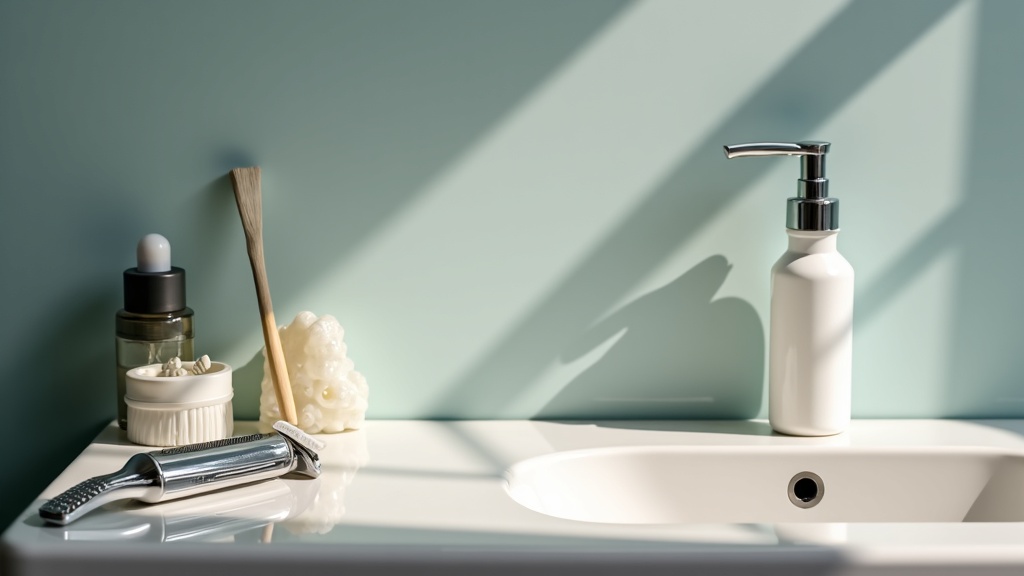
Model dimensions, materials, blade compatibility, and loading instructions should be checked against the maker’s documentation for the exact product and version. Manufacturer specifications are not independent measurements, and a photograph is not evidence of a product test.
How to read the evidence
Applies only where a specific razor, blade, or product and its conditions are explicitly identified.
Maker-supplied details should be checked against the exact model, market, and version.
A cautiously summarized pattern across identified sources, with disagreement acknowledged.
Background or explanatory framing, not a testing credential or objective measurement.
A subjective choice about feel, cost, convenience, or ritual—not a universal recommendation.
Technique variables
Change one thing. Pay attention.
Lather & preparation
Soften the beard with water, build a comfortably slick lather, and reapply before another pass.
Angle & pressure
Use light pressure and a shallow, familiar angle appropriate to the razor. Do not press harder to compensate for tugging.
Direction & passes
Begin with the grain, use fewer deliberate passes, and let comfort matter more than chasing perfect closeness.
Blade handling
Follow loading instructions, hold only unsharpened sides, and keep cutting edges away from fingers.
Use light pressure, fewer deliberate passes, and stop for pain or persistent irritation. Keep unused blades dry, secure, and away from children and pets. Place used blades in a closed puncture-resistant container and follow local disposal guidance. This is general grooming guidance, not medical advice.
Cartridge Razors vs Safety Razors: Why DE Wins for Sensitive Skin
After 23 years of wet shaving and testing over 300 razors, I can tell you without hesitation: if you have sensitive skin, a double-edge safety razor will give you a better shave than any cartridge razor on the market. The reason is simple—cartridge razors are engineered to drag multiple blades across your face in a single pass, multiplying irritation, while a properly wielded DE razor makes one clean cut per stroke.
I spent my first five years shaving with cartridges, battling razor burn and ingrown hairs every single week. When I switched to my grandfather’s 1959 Gillette Fatboy, the transformation wasn’t immediate—I had to learn technique—but within two months, my neck irritation vanished. That was 18 years ago, and I haven’t touched a cartridge since.
Why Cartridge Razors Cause More Irritation
The multi-blade cartridge system sounds clever in commercials: the first blade lifts the hair, the second cuts it, the third… does something. In practice, each blade scrapes your skin. That’s three, four, or five passes per stroke. If you make two passes over your neck, you’re hitting the same patch of skin 10 times.
The engineering creates what dermatologists call “hysteresis”—the first blade pulls the hair up and cuts it, but the hair retracts below the skin surface before it heals. The subsequent blades cut the hair even shorter, sometimes below the skin line. This is why cartridge users get chronic ingrown hairs, especially on the neck and jawline.
The Clogging Problem
Modern cartridge razors pack multiple blades into a small head with minimal space between them. Shaving cream, hair, and skin cells clog the gaps almost immediately. You’ll notice you need to rinse a cartridge razor every two or three strokes. That trapped debris creates friction, which creates heat, which inflames sensitive skin.
With a safety razor, the single blade sits exposed. Hair and lather rinse clean in one second under running water. There’s nowhere for debris to hide.
How Safety Razors Protect Sensitive Skin
A double-edge safety razor makes one pass per stroke. One blade, one cut. The blade angle is fixed by the razor head geometry—typically between 30 and 32 degrees—which prevents you from applying too much pressure or cutting at aggressive angles that scrape skin.
The weight of the razor does the work. A quality Merkur 34C safety razor weighs about 2.6 ounces. You don’t push it into your face; you let it glide. This eliminates the pressure-induced irritation that cartridge shavers unconsciously create by bearing down to compensate for dull blades.
Blade Sharpness Makes the Difference
Cartridge razor companies trap you in a subscription model with blades that cost $4-6 each. Most people use a cartridge far longer than they should because replacing it feels wasteful. A dull blade tugs at hair instead of cutting it cleanly, tearing at follicles and causing inflammation.
DE blades cost 10-25 cents each. You can afford to replace them every 3-5 shaves, guaranteeing a sharp edge every time. A sharp blade cuts hair cleanly at the surface without tugging or pulling—critical for sensitive skin. I buy Feather razor blades in bulk and never worry about cost.
Comparison: Cartridge vs Safety Razor for Sensitive Skin
| Factor | Cartridge Razor | Safety Razor (DE) |
|---|---|---|
| Blades per stroke | 3-5 blades (3-5x skin contact) | 1 blade (1x skin contact) |
| Blade replacement cost | $4-6 per cartridge | $0.10-0.25 per blade |
| Clogging | High—requires frequent rinsing | Minimal—rinses instantly |
| Blade angle control | Flexible head often too aggressive | Fixed geometry prevents bad angles |
| Pressure needed | User applies pressure (causes irritation) | Weight of razor does the work |
| Learning curve | Low—hard to cut yourself | Medium—requires 2-3 weeks practice |
| Ingrown hair risk | High—multi-blade hysteresis effect | Low—single clean cut per pass |
The Learning Curve Is Worth It
I won’t lie to you: safety razors require technique. The first time I used my grandfather’s Fatboy, I gave myself three small nicks. By week two, I was down to one occasional nick. By week four, I shaved without incident. At the two-month mark, I realized my neck no longer looked like raw hamburger after shaving.
The technique is about angle and pressure—or rather, the lack of pressure. Hold the razor at roughly 30 degrees to your face. Let the weight of the handle do the work. Short strokes, with the grain first. If you need a second pass, re-lather and go across the grain, not against it.
Most beginners choose too aggressive a blade or razor. Start with a Edwin Jagger DE89 and pair it with mild Astra Superior Platinum blades. This combination is forgiving enough for learning but effective enough for a close shave. After three months, if you want more efficiency, step up to Feather blades.
Pre-Shave Prep Matters More with Safety Razors
Cartridge razor marketing convinced a generation of men they could shave in 90 seconds with canned foam. That’s a recipe for irritation no matter what razor you use.
With a safety razor, preparation becomes part of the ritual. I wet my face with hot water for 30 seconds, work up a lather with a badger shaving brush and quality shaving soap, and let it sit for 30 seconds before the first pass. The hot water and soap soften the hair and prep the skin. The brush exfoliates and lifts hairs away from the skin.
This isn’t fussiness—it’s engineering a better result. Soft hair cuts easier, which means less tugging, which means less irritation. If you have sensitive skin, this prep work is non-negotiable.
Post-Shave Care
After shaving with a safety razor, rinse with cold water to close pores, pat dry, and apply a quality aftershave or balm. I use an alcohol-free balm with witch hazel and aloe. Skip the drugstore splashes with heavy fragrance and alcohol—they’ll sting like hell and dry out your skin.
Cost Analysis: The 5-Year View
Let’s do the math for sensitive skin shavers who shave five times per week:
Cartridge razor system (5 years):
- Handle: $15 (one-time)
- Cartridges: $5 each, replaced every 3 weeks = 87 cartridges over 5 years
- Total cartridge cost: $435
- Five-year total: $450
Safety razor system (5 years):
- Quality DE razor: $35-45 (one-time, lasts lifetime)
- Blades: $0.20 each, replaced every 4 shaves = 325 blades over 5 years
- Total blade cost: $65
- Five-year total: $110
You save $340 over five years while getting a better shave that doesn’t shred your face. The safety razor itself, if you buy quality, will outlive you. My grandfather’s Fatboy is 67 years old and shaves as well today as it did in 1959.
Best Safety Razors for Sensitive Skin
After testing hundreds of razors, these are my top recommendations for shavers with sensitive skin:
For Beginners: Edwin Jagger DE89
Mild, forgiving head geometry with excellent build quality. The closed comb design and moderate blade gap make it nearly impossible to get aggressive cuts. Pair with Astra blades for the gentlest introduction to DE shaving. Available in several handle finishes from chrome to ebony.
For Daily Shavers: Merkur 34C
The classic German workhorse. Short handle provides excellent control, particularly around the neck and jawline where sensitive skin shavers struggle most. Consistent, smooth shave without aggression. I’ve used mine for 12 years—it’s never let me down.
For Adjustable Versatility: Merkur Progress
Allows you to dial the aggression level from 1 (ultra-mild) to 5 (moderately aggressive). Start at setting 1 or 2 while learning, adjust up as your technique improves. The ability to customize makes this ideal for varying beard toughness or skin sensitivity day-to-day.
Shop for safety razors for sensitive skin and read reviews carefully. Look for terms like “mild,” “closed comb,” or “beginner-friendly.”
Common Mistakes That Cause Irritation
Most people who try a safety razor and give up make one of these errors:
1. Too much pressure. You’re used to pushing a cartridge razor into your face. Stop. The weight of a DE razor is sufficient. If you’re getting razor burn with a safety razor, you’re pressing too hard.
2. Wrong blade angle. The handle should be roughly 30 degrees from your face, not perpendicular. Listen for the cutting sound—a light whisper means correct angle.
3. Too many passes. Cartridge shavers got used to going over the same area five times without consequence because dull blades don’t cut. A sharp DE blade cuts on the first pass. Two passes maximum—with the grain, then across the grain. Never against the grain if you have sensitive skin.
4. Choosing aggressive blades or razors too soon. Feather blades are the sharpest on earth—they’re also unforgiving for beginners. Start mild, work up gradually.
Frequently Asked Questions
Will I cut myself more with a safety razor than a cartridge razor?
During the first week or two, you might get small nicks while learning angle and pressure control. After the learning period, most experienced DE shavers report fewer cuts than with cartridges because the fixed blade angle prevents the razor from flexing into aggressive positions. The key is respecting the blade and not rushing.
Can I use a safety razor if I have extremely sensitive skin or conditions like rosacea?
Yes, and many dermatologists actually recommend single-blade razors for patients with rosacea or severe sensitivity. The reduced number of blade passes decreases inflammation. Start with an ultra-mild razor like the Edwin Jagger DE89, use minimal pressure, shave with the grain only, and keep your blade fresh. Always check with your dermatologist about your specific condition.
How often should I replace safety razor blades?
For sensitive skin, replace blades every 3-5 shaves. A dull blade causes more irritation than a sharp one because it tugs at hair instead of cutting cleanly. Since blades cost pennies, there’s no reason to extend use beyond 5 shaves. I replace mine every 4 shaves without fail.
Do I need to buy expensive shaving soap and brushes, or can I use canned foam?
You can technically use canned foam, but you’ll get significantly better results with traditional lathered soap or cream. Canned foam contains propellants and often irritating fragrances. A good shaving soap for sensitive skin with a brush creates richer lather that protects skin better and softens beard hair more effectively. A quality soap puck costs $12-18 and lasts 4-6 months.
What’s the difference between open comb and closed comb safety razors?
Closed comb razors have a solid safety bar beneath the blade, making them milder and more forgiving—ideal for sensitive skin and beginners. Open comb razors have teeth instead of a bar, creating a more aggressive, efficient cut. They’re better for thick beards and experienced shavers. If you have sensitive skin, stick with closed comb designs.
Tradeoffs, uncertainty & affiliate disclosure
A closer shave can require more passes and may reduce comfort. Product feel varies with razor, blade, lather, angle, pressure, beard growth, and personal preference. ClassicBlade does not imply that every mentioned item was purchased, used, measured, or independently tested.
Some links may be affiliate links. ClassicBlade may earn a commission at no added cost to you; commercial links do not stand in for evidence.


Leave a Comment