Double Edge vs Single Edge Razors: Which Should You Start With? (2026)
When you decide to get serious about wet shaving, you’re going to run into a choice that seems simple but turns out to have some real nuance: double edge or single edge?
I’m James, and I’ve shaved with both for years. I have strong opinions, but I’ll share the honest tradeoffs rather than just pushing you toward whichever one I happen to prefer. The right answer genuinely depends on who you are and what you want from your shave.
The Anatomy of Each
Double Edge (DE) Razors
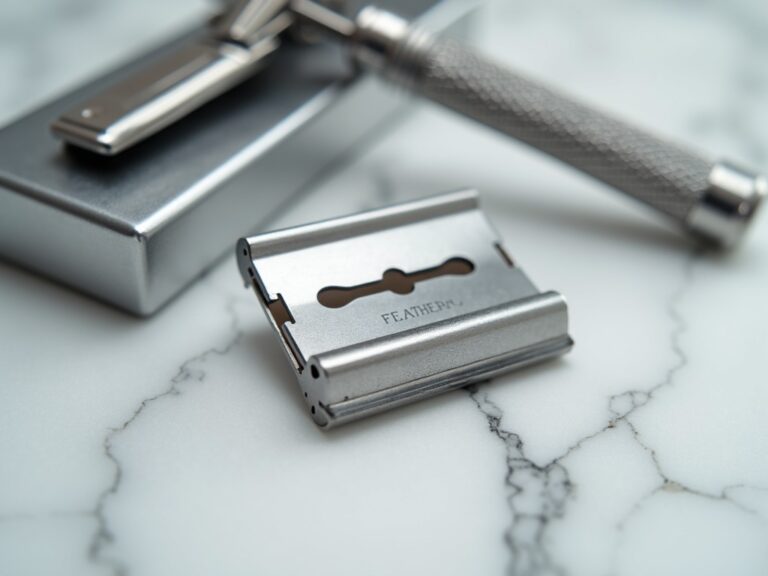
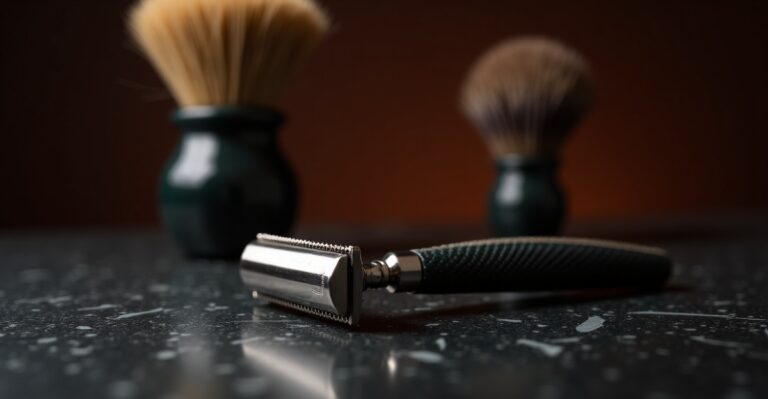
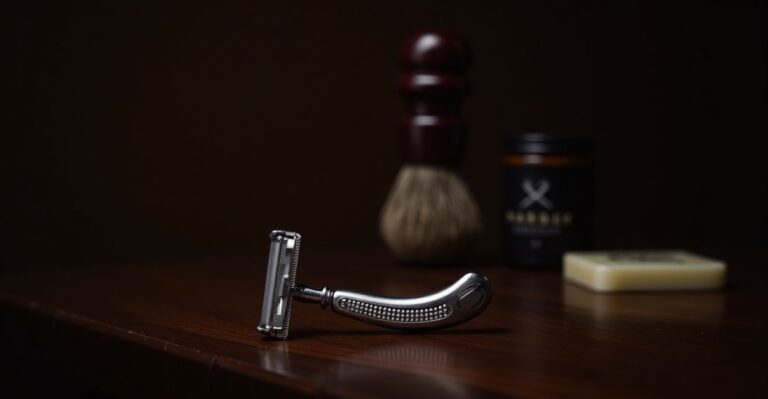
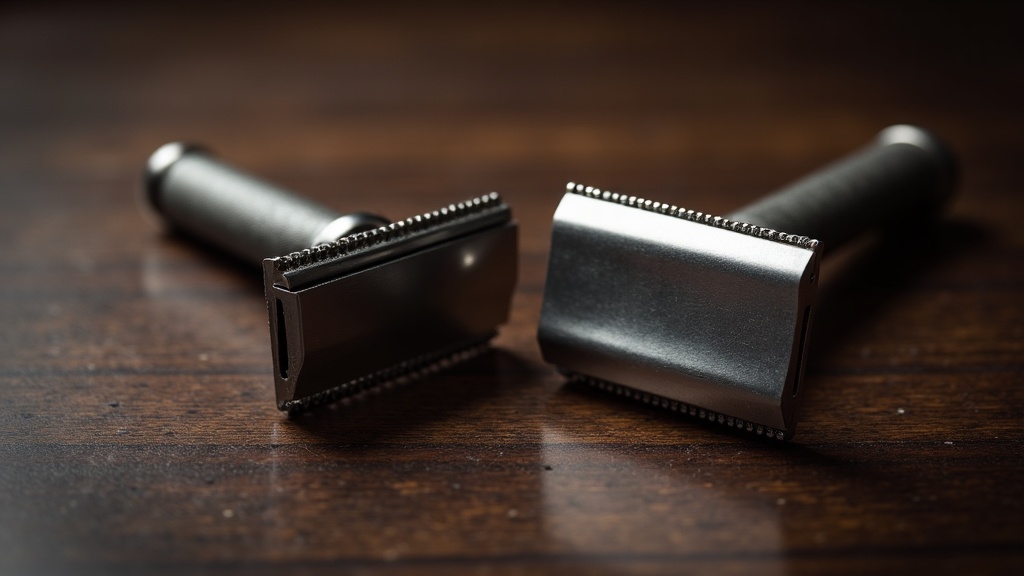
A double edge razor is what most people picture when they think “safety razor.” It has a three-piece or two-piece design with a single razor blade that’s exposed on both sides — hence “double edge.” The blade fits into a head that holds it at a fixed angle, and you shave with both edges of the blade, extending blade life and giving you a fresh edge when one side dulls.
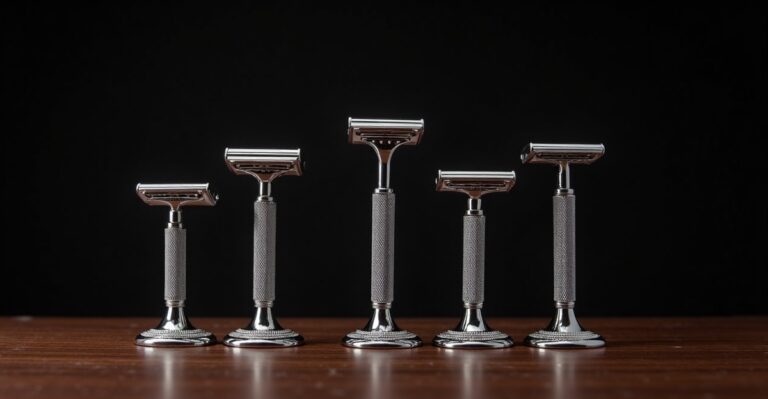
DE razors come in an enormous range of head geometries, from very mild (forgiving, good for beginners) to very aggressive (efficient on heavy beard growth, less forgiving of technique). The blade sits at roughly a 30-degree angle to the skin.
Single Edge (SE) Razors
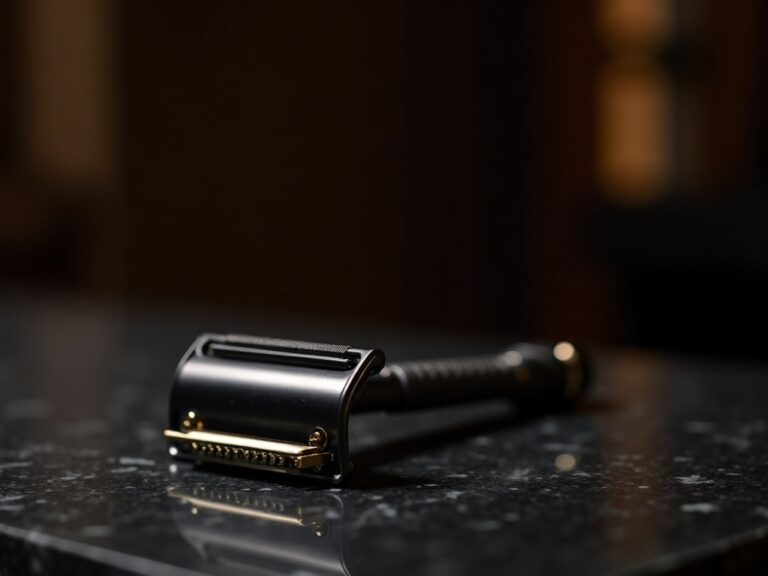
Single edge razors use a thicker, single-sided blade — either an injector blade, a GEM/AC blade, or a half-DE blade (in some vintage models). The blade is supported on the non-cutting side, which makes it more rigid than a thin DE blade.
SE razors come in two main modern variants: injector-style (where blades load via a magazine injector) and AC-style (Artist Club blades, common in high-end SE razors like the Supply Co). The blade typically sits at a slightly shallower angle than a DE razor.
Blade Availability and Cost
DE Blades
DE blades are among the most universally available shaving supplies on the planet. They’re manufactured in dozens of countries — Japan (Feather, Kai), Germany (Wilkinson, Merkur), Russia (Astra, Gillette Silver Blue, Rapira), Israel (Personna), Sweden (Gillette 7 O’Clock) — and available on Amazon, in pharmacies, and online retailers everywhere.
Cost: typically $0.10–$0.50 per blade, depending on brand. A blade lasts 5–7 shaves for most people. Annual cost for blades: $10–$40 depending on frequency. A DE blades sampler pack is an excellent first purchase — it lets you test 10–15 different brands to find the one that works best for your face and razor before committing to a bulk buy.
SE Blades
SE blades are more specialized. Injector blades are still manufactured (Schick being the primary brand) but have fewer options. AC/Artist Club blades are available from Kai, Feather, and a handful of specialty brands. GEM-style blades are manufactured but increasingly niche.
Cost: typically $0.50–$2.00 per blade, but they last longer than DE blades — often 10–15 shaves per blade due to the thicker, more rigid steel. The per-shave cost ends up comparable to DE or slightly higher, but with fewer brands to choose from and more limited availability in physical stores.
Learning Curve Comparison
The DE Learning Curve
Double edge razors have a genuine learning curve. The two biggest adjustments coming from cartridges: angle control (you need to maintain roughly 30 degrees from the skin) and pressure (DE razors require almost no pressure — let the weight of the razor do the work). Most people need 2–4 weeks to develop reliable technique.
The good news: the DE ecosystem is enormous. There are thousands of tutorials, videos, and forum posts (r/wicked_edge is invaluable) specifically about DE technique. You will not lack for guidance.
The variety of DE heads means you can find something appropriate for your skill level — mild razors like the Merkur 34C are excellent for beginners because they’re forgiving of minor technique errors while still providing a genuinely better shave than cartridges.
The SE Learning Curve
SE razors have a different but arguably shorter learning curve in some respects. The thicker, more rigid blade provides a more tactile, stable feel — many shavers find it easier to sense the correct angle. The blade doesn’t flex against the skin the way a thin DE blade can.
However, AC-style SE razors (like the Supply Co) often use blades that are extremely sharp — Feather AC blades are among the sharpest available commercially. This efficiency is excellent for experienced shavers but can be unforgiving if your technique is still rough. Getting the angle wrong with a sharp SE is a more acute consequence than with a forgiving DE razor.
The SE community is smaller, which means fewer resources, fewer blade options, and less peer knowledge. You’ll figure it out, but it takes a bit more self-reliance.
Skin Type Considerations
Sensitive skin: Start with a mild DE razor. The Merkur 34C or a similarly forgiving head allows you to develop technique without punishing minor errors. Once your skin has adjusted to blade shaving, you can experiment with more aggressive geometries.
Coarse or heavy beard growth: SE razors often handle this better. The thicker, more rigid blade plows through dense growth more efficiently than a thin DE blade, which can deflect slightly against very coarse hair. The Supply Co SE is particularly well-regarded for heavy beards.
Prone to ingrowns: Both DE and SE can improve ingrown hair issues compared to multi-blade cartridges (which cut below skin level and cause the hair to grow back trapped). Single-pass DE shaving with a mild razor is often the gentlest option for ingrown-prone skin.
Combination skin: DE gives you more flexibility because you can choose different blade brands to fine-tune sharpness and coating. A sharper blade (Feather, Kai) for tough areas, a milder blade (Astra, Derby) for sensitive zones.
Best DE Starter: Merkur 34C
The Merkur 34C is the razor I recommend to almost every DE beginner. It’s made in Solingen, Germany to very high tolerances, has a comfortable medium weight (79g), a closed comb design that’s genuinely forgiving, and has been a go-to recommendation in the wet shaving community for decades. It’s not the cheapest option, but at $30–40 it’s not expensive either, and it will last you decades with basic maintenance.
The 34C teaches you proper technique without punishing you for developing it. Once you’ve got your angle and pressure dialed in (usually a few weeks), you can stay with it forever or use it as a benchmark to try more aggressive razors.
Best SE Starter: Supply Co Single Edge
The Supply Co Single Edge is one of the most thoughtfully designed modern SE razors on the market. It uses injector-style blades, has an adjustable geometry (mild, medium, aggressive settings), and is built from stainless steel with genuine attention to ergonomics. The adjustable setting makes it particularly good as a starter — begin at the mildest setting while developing technique, then dial it up as your skills improve.
It’s more expensive than a DE starter — around $75–85 — but if you’re committed to trying the SE route, it’s a better first purchase than cheaper alternatives that have less consistent quality.
The Verdict
If you’re choosing your first safety razor and have no strong preference: start with DE. The blade options are wider and cheaper, the community knowledge is deeper, and the mild DE razors available give you more room to develop technique before the razor stops forgiving your errors.
If you have heavy beard growth, a preference for a more tactile and rigid shaving feel, or just want to try something a bit different from the start: SE is worth considering. The Supply Co makes the SE learning curve more manageable than it used to be.
Either way, the transition from cartridge to safety razor — DE or SE — is one you’re unlikely to regret. Better shaves, significantly lower long-term cost, and a daily ritual that actually feels like something rather than a five-second chore.