Rockwell 6S Safety Razor Review: Adjustable and Precise
Affiliate disclosure: This post contains affiliate links. As an Amazon Associate I earn from qualifying purchases at no extra cost to you. This helps keep Classic Blade running — thank you for your support.
My First Shave with the Rockwell 6S
I still remember the afternoon the Rockwell 6S arrived at my door. I’d been shaving with double-edge razors for over two decades at that point — long enough to have strong opinions about every razor on the market. My collection included everything from a vintage Gillette Slim Adjustable to a Feather AS-D2, and I was skeptical that a Canadian crowdfunded razor could teach me anything new. I was wrong.
The Rockwell 6S is, quite simply, one of the most intelligently designed adjustable safety razors I’ve tested. If you’re searching for a best shaving razor that adapts to your skin and beard type without complicated dials or springs, the 6S deserves your serious attention. After three years of near-daily use, I’m ready to give you my full, unvarnished assessment.
What Is the Rockwell 6S?
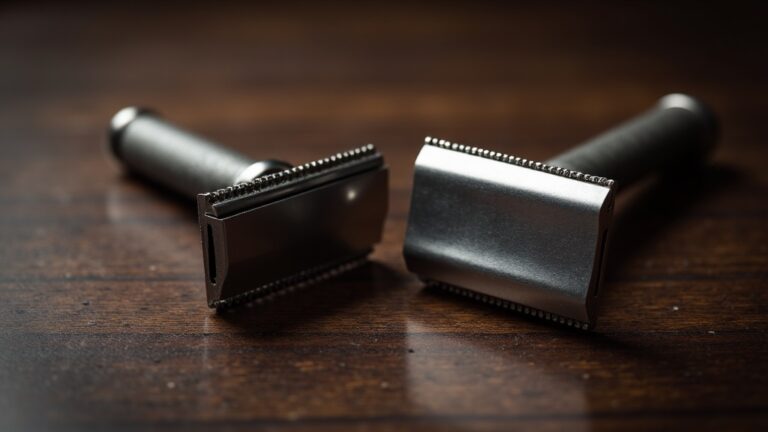
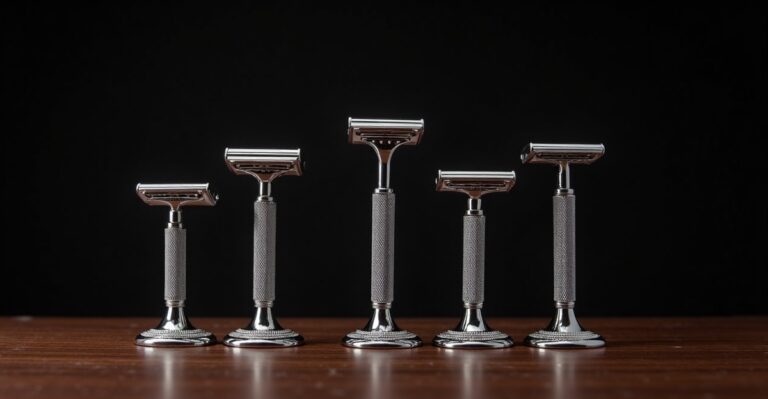
The Rockwell 6S is a stainless steel double-edge safety razor with an interchangeable base plate system. Instead of a dial-based adjustment mechanism (like the vintage Gillette Adjustable), Rockwell’s approach is elegantly mechanical: six numbered base plates — three on each of two reversible plates — each exposing a slightly different blade gap and angle. Plate 1 is the mildest; plate 6 is the most aggressive.
The “6S” designation stands for 6-Setting, Stainless. And stainless it truly is — every component is precision-machined 316L stainless steel, which means this razor will outlast every other razor in your collection, full stop.
Design and Construction
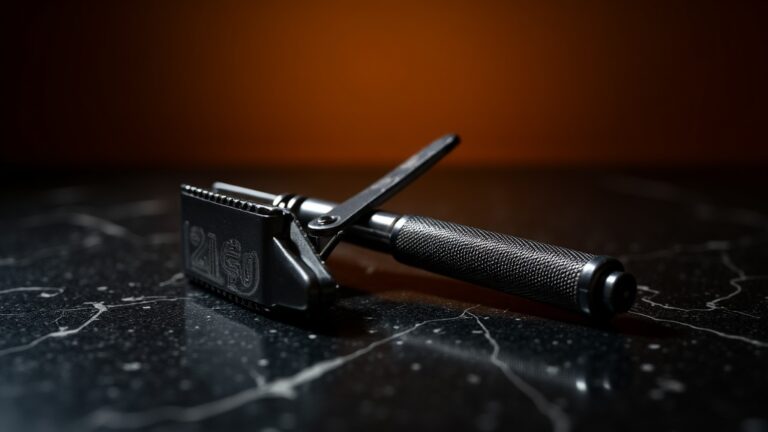
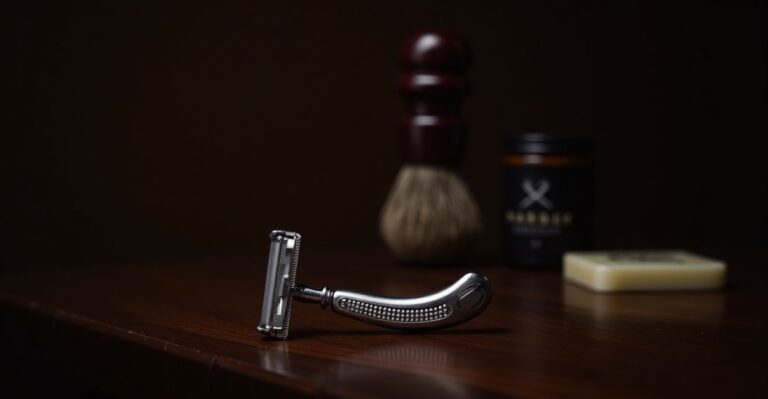
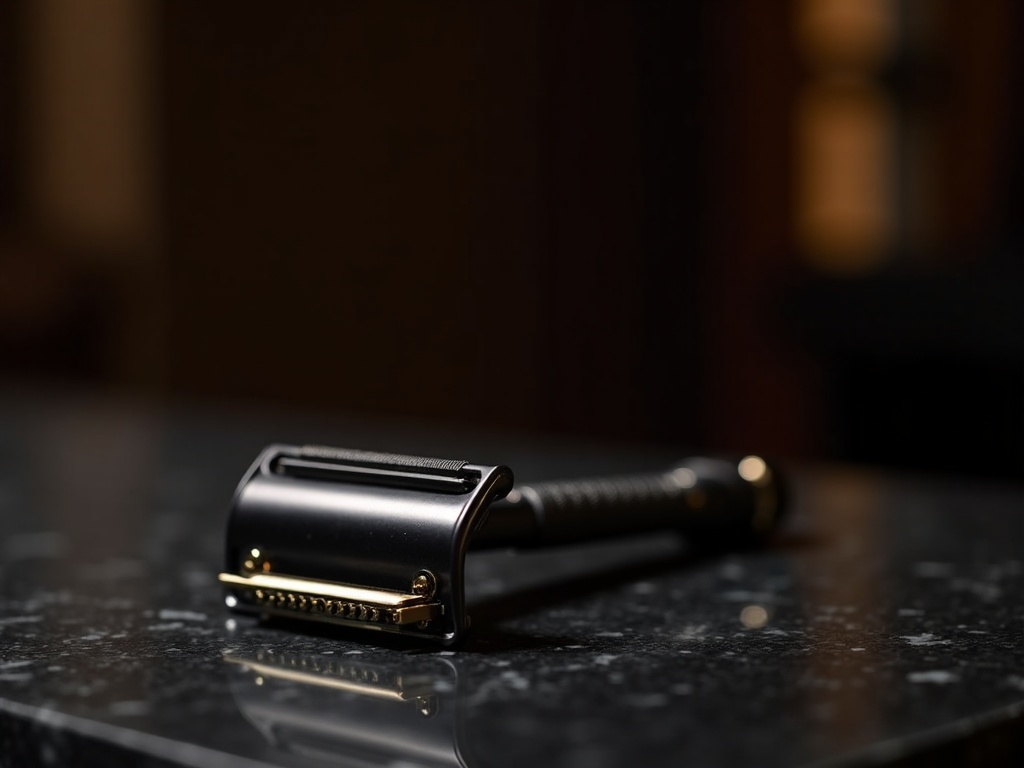
Picking up the Rockwell 6S for the first time is a revelation. At roughly 78 grams, it has serious heft — the kind of weight that communicates quality without needing to advertise it. The handle is medium-length (about 90mm) with a knurled grip pattern that bites even when your hands are wet and soapy. I’ve never lost control of this razor in the shower.
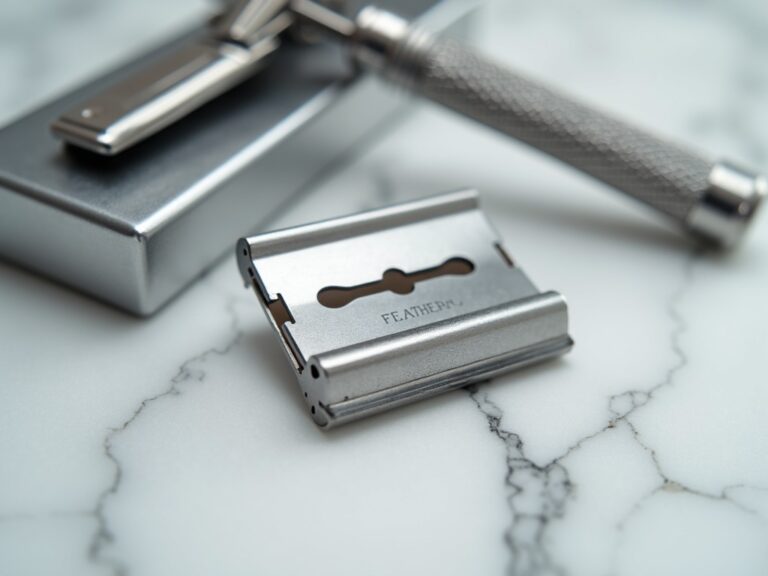
The three-piece construction — handle, top cap, and base plate — is intuitive and solid. Screwing the head together produces a satisfying, precise fit with no wobble. Blade alignment is excellent; the spine of the blade sits flush and centered every time, which is exactly what you want for consistent geometry pass after pass.
Compared to chrome-plated razors (even good ones like the Merkur 34C), the 6S feels like a different class of object. There’s no plating to chip, no brass substrate to corrode. This is machined steel from top to bottom, and it shows.
The Six Settings: What Do They Actually Mean?
This is where the Rockwell 6S gets interesting — and where it sets itself apart from fixed-geometry razors. Here’s a practical breakdown of each setting range:
- Settings 1–2: Very mild. Minimal blade exposure, forgiving angle. Ideal for beginners, sensitive skin, or shaving over acne or irritated patches. You’ll need a sharp blade and good technique to get a close result, but you’re extremely unlikely to cut yourself.
- Settings 3–4: The sweet spot for most shavers. Good efficiency, comfortable on normal skin, handles two to three days of growth without complaint. This is where I spend 80% of my shaves.
- Settings 5–6: Aggressive. Maximum blade gap, steep angle. Excellent for heavy beards, head shaving, or experienced wet shavers who want to mow through thick stubble quickly. Requires solid technique — this is not a forgiving setting for beginners.
What I appreciate most about this system is the tactile honesty of it. You hold the base plate in your hand and you can see how much blade is exposed. There’s no guessing. You change plates in thirty seconds, and if setting 4 feels a touch aggressive on a sensitive day, you swap to plate 3. Simple, reliable, reproducible.
Shave Performance: Three Years of Daily Use
Let me give you the real-world picture.
With the Grain (First Pass)
On setting 3, the Rockwell 6S glides through a day’s growth with almost no noise — just the quiet rasp of steel meeting stubble. The blade gap and angle work together to present the blade efficiently without dragging. On setting 4, there’s a mild auditory feedback — a satisfying whisper — that experienced shavers will recognize as efficient cutting. On settings 5 or 6, that sound gets louder and more authoritative. Each setting delivers exactly what it promises.
Across and Against the Grain
The 6S truly shines on second and third passes. The blade geometry rewards clean, deliberate strokes. I run setting 4 for my first pass, then drop to setting 2 for my against-the-grain cleanup on the neck — an area where I’ve historically gotten irritation with more aggressive fixed razors. The ability to dial back mid-shave is a feature I didn’t know I needed until I had it.
Head Shaving
I’ve received more questions about head shaving with the 6S than any other use case. The verdict: excellent. Setting 5 or 6 on the first pass knocks down the bulk of hair efficiently; setting 3 handles the cleanup passes over the crown and temples. The weight of the razor helps — you need very little pressure to achieve close results on the scalp’s varied contours.
Blade Compatibility
The Rockwell 6S works well with virtually every standard DE blade, but the combination of settings and blade sharpness matters significantly.
- Astra Superior Platinum: My daily driver on settings 3–4. Smooth, long-lasting, excellent value.
- Feather Hi-Stainless: On settings 3 or lower only. Feathers are the sharpest blades I’ve tested, and they amplify the 6S’s efficiency in a way that requires respect.
- Gillette Silver Blue: Outstanding on setting 4. Smooth and sharp, this pairing is one of my all-time favorites.
- Derby Extra: Best on settings 4–5. Derby’s mild edge benefits from slightly more blade exposure to cut efficiently.
Check current Rockwell 6S pricing on Amazon →
Rockwell 6S vs. The Competition
| Razor | Adjustment Type | Material | Price Range | Best For |
|---|---|---|---|---|
| Rockwell 6S | Interchangeable plates (6 settings) | 316L Stainless Steel | $100–$130 | All skill levels, long-term investment |
| Merkur Futur | Dial (1–6) | Chrome-plated zinc alloy | $55–$75 | Experienced shavers, adjustable feel |
| Parker Variant | Dial (1–5) | Chrome-plated brass | $40–$55 | Budget-conscious adjustable buyers |
| Rockwell 6C | Interchangeable plates (6 settings) | Chrome-plated stainless | $45–$60 | Same system, lower price entry point |
| Edwin Jagger DE89 | Fixed | Chrome-plated brass | $35–$50 | Beginners wanting a fixed mild razor |
The Rockwell 6S sits at a premium price point — typically $100–$130 new. But measured against a lifetime of use with no replaceable parts, no moving mechanism to wear out, and no plating to chip, it’s genuinely economical. I’ve put three years of daily shaves on mine and it shows zero wear.
Pros and Cons
What I Love
- Six genuine settings: Each plate produces a measurably different shave. This is not marketing fiction.
- 316L stainless steel throughout: Indestructible. Will outlive every chrome razor in your collection.
- Consistent blade alignment: Three-piece design seats blades perfectly every time.
- Handle grip: Excellent knurling, never slips, right length and weight.
- No spring mechanism to fail: Unlike dial-based adjustables, there’s nothing mechanical to break.
- Mid-shave adjustment: Swap plates between passes in 30 seconds. Genuinely useful.
What Could Be Better
- Price: $100+ puts it out of reach for beginners testing the wet shaving waters.
- Plate management: Keeping track of which side of each plate is which setting takes a learning curve (hint: look for the number stamped on each plate).
- Settings jump in larger increments than dial razors: A dedicated dial mechanism like the Merkur Futur allows finer gradient adjustments between plates 2 and 3, for instance.
- Heavy: At 78 grams, it’s not a light razor. Beginners used to cheap plastic handles may find the weight adjustment takes a week.
Who Should Buy the Rockwell 6S?
The Rockwell 6S is ideal for:
- Experienced wet shavers who want a forever razor that eliminates the compromise of fixed-geometry blades.
- Shavers with variable beard growth — if your weekend growth needs a different approach than your Monday stubble, this razor adapts.
- Head shavers who need different settings for scalp versus face in the same session.
- Anyone who’s already gone through several razors and wants to stop buying equipment and start perfecting technique.
It’s probably not the right first razor for a complete beginner. The Merkur 34C or Edwin Jagger DE89 will be more forgiving while you develop fundamentals. But once you’ve got technique down? The 6S is where you land and stay.
See the Rockwell 6S on Amazon →
Frequently Asked Questions
What is the best setting on the Rockwell 6S for beginners?
Start on setting 2 or 3. Setting 2 is very mild and extremely forgiving — if you’re still developing your angle and pressure technique, it gives you a wide margin for error. Setting 3 will give most beginners a close, comfortable shave once they have the basics down. Work your way up as your technique improves over several weeks.
Is the Rockwell 6S worth the price?
If you plan to wet shave for years, yes — unequivocally. At $100–$130, it’s more expensive than entry-level razors, but 316L stainless steel lasts literally decades. When you factor out the cost over years of use, it’s cheaper than buying and replacing chrome-plated razors every few years. The versatility of six settings also means you’re unlikely to need another razor.
What’s the difference between the Rockwell 6S and 6C?
Both razors use the identical six-plate interchangeable system — the shave experience is essentially the same. The 6S is machined from 316L stainless steel throughout, while the 6C uses chrome-plated stainless steel. The 6C costs roughly half as much. If budget is a concern, the 6C is excellent value. If you want the ultimate longevity and the tactile satisfaction of solid stainless, the 6S is worth the premium.
Can I use any DE blade with the Rockwell 6S?
Yes — the 6S accepts any standard double-edge blade. That said, the combination of blade sharpness and plate setting matters. I recommend starting with Astra Superior Platinum blades on settings 2–3. They’re sharp, smooth, and forgiving. Once you’re comfortable, experiment with other blades — Gillette Silver Blues and Feather Hi-Stainless are both excellent once you know your preferred settings.
Final Verdict: The Rockwell 6S Is the Last Safety Razor You’ll Need
After twenty-plus years of wet shaving and a collection of razors that fills a dedicated shelf, I keep reaching for the Rockwell 6S on the mornings that matter. When I want a specific result — a perfectly close shave for an important meeting, a quick two-pass shave on a rushed morning, a thorough head shave on the weekend — the 6S delivers it with the setting change of a single base plate.
The build quality is genuinely beyond comparison in this price bracket. The shave quality is excellent across all six settings. And the system is so elegantly simple that there’s nothing to break, nothing to maintain, and nothing to replace.
If you’re ready to invest in a razor that will genuinely be your last safety razor, the Rockwell 6S deserves the top spot on your shortlist. My recommendation, without hesitation.
→ Check the latest Rockwell 6S price on Amazon
— Thomas Hargrove has been wet shaving since 2002 and has tested hundreds of razors, soaps, and brushes. He’s been contributing to Classic Blade since its founding.