Safety Razor vs Cartridge Razor: The Real Cost Comparison
Affiliate Disclosure: ClassicBlade.com participates in the Amazon Associates program. If you purchase through our links, we earn a small commission at no extra cost to you. All opinions are our own. Last updated: March 2026.
After 20 years behind the razor, I’ve run the numbers — and the math will genuinely surprise you. When I finally made the switch from cartridges to a safety razor back in 2005, I wasn’t expecting to save hundreds of dollars over the following decade. I just wanted a closer shave. The savings were a happy accident.
But here’s the thing: most articles comparing safety razor vs cartridge razor either bury the actual cost data or gloss over the real learning curve. So let’s fix that. This is the honest, numbers-first comparison you’ve been looking for — including a year-by-year cost table, a candid assessment of the transition period, and the situations where cartridges genuinely win.
Safety Razor vs Cartridge Razor: What’s the Actual Difference?
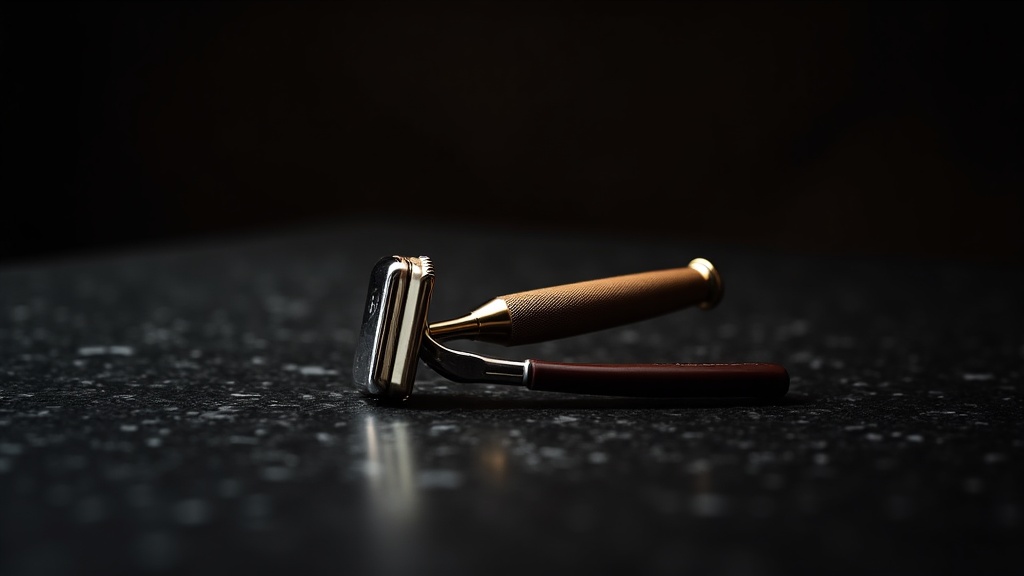
At its core, it’s about blade architecture. A safety razor (specifically a double-edge, or DE razor) uses a single thin blade clamped between two metal plates. When the blade dulls after 3–5 shaves, you swap it for a fresh one — a ten-cent piece of metal the size of a stamp.
A cartridge razor — think Gillette Mach3, Fusion ProGlide, or Schick Hydro — stacks 3–5 blades in a plastic housing with a pivoting head and a lubricating strip. The engineering is genuinely impressive. The price tag, less so.
The pivot and multi-blade system makes cartridges more forgiving for beginners. The single blade of a safety razor requires more intentional technique — but rewards it with a shave that the r/wicked_edge community has called “face feel that no cartridge can match.”
The Real Numbers — Year 1 Through Year 5 Cost Breakdown
Let’s use a daily shaver (365 shaves/year) with real 2025 Amazon prices. I’ll compare three setups:
- Safety Razor: Merkur 34C HD Safety Razor (~$42) + Astra Platinum DE Blades, 100-pack (~$10)
- Gillette Mach3: Handle (~$10) + refill 15-pack (~$22 = $1.47/cartridge)
- Gillette Fusion ProGlide: Handle (~$12) + refill 8-pack (~$32 = $4.00/cartridge)
Assumptions: DE blades last 4 shaves each (conservative); cartridges last 7 shaves each (manufacturer’s middle estimate).
| Cost Metric | Safety Razor (Merkur 34C + Astra) | Gillette Mach3 | Gillette Fusion ProGlide |
|---|---|---|---|
| Hardware Cost | $42 | $10 | $12 |
| Cost Per Blade/Cartridge | $0.10 | $1.47 | $4.00 |
| Annual Blade/Cartridge Cost | ~$9 | ~$76 | ~$208 |
| Year 1 Total | $52 | $86 | $220 |
| Year 3 Cumulative | ~$70 | ~$238 | ~$636 |
| Year 5 Cumulative | ~$88 | ~$390 | ~$1,052 |
| 5-Year Savings vs. Safety Razor | — | You’d save $302 | You’d save $964 |
That’s not a rounding error. A daily Fusion ProGlide user spends nearly $1,000 more over five years than someone who switches to a safety razor. Even the more affordable Mach3 costs $300+ more. This is the “razor-and-blades business model” in its purest, most expensive form.
I remember the moment the math clicked for me. I was standing in a drugstore in 2005, staring at a $28 pack of Mach3 cartridges. I’d just bought my first Merkur 34C the week before. I walked out of that store with my wallet still in my pocket — and I haven’t looked back since.
Pro tip: Add a quality Proraso shaving cream or soap to your safety razor setup. At ~$12–$15 per tub lasting 6+ months, it’s still cheaper than the canned gel you’re likely using with cartridges — and the shave is dramatically better.
Shave Quality: Which Razor Actually Performs Better?
Here’s where things get nuanced. The potential ceiling for shave quality is higher with a safety razor — but it requires skill to reach it.
With a safety razor, you use a single, surgically sharp blade at a specific angle (typically 30°). This produces what wet shavers call a “baby smooth” result with minimal irritation. No multi-blade “hysteresis” effect (where blades grab and yank hair before cutting it), no clogged cartridge gunk, just clean cutting.
Cartridge razors, by contrast, are engineered for consistency and convenience. The pivoting head, lubricating strip, and multiple blades reduce the skill requirement significantly. For many guys, especially those with inconsistent shaving habits or a lot of facial contours to navigate, a cartridge delivers a reliably good (if not spectacular) shave every time.
My honest assessment after testing hundreds of razors: a properly wielded DE razor on a well-prepped face beats a cartridge. But a careless pass with a safety razor can absolutely leave you with weepers (small nicks) that a cartridge never would have caused.
The Learning Curve: What Nobody Tells You Before You Switch
I’m going to be straight with you here, because most safety razor advocates gloss over this part: there is a real learning curve, and it takes 2–4 weeks to get comfortable.
The three things that trip up beginners:
- Angle: Safety razors require a ~30° blade angle. Cartridge razors auto-adjust. New DE users often press the razor flat against their face (wrong) or angle too steeply (also wrong). It takes muscle memory.
- Pressure: With a cartridge, you instinctively press down. With a DE razor, you let the weight of the razor do the work. Zero pressure. This is counterintuitive and takes time to unlearn.
- Mapping your grain: Safety razors reward shaving with the grain, then across, rather than the aggressive against-the-grain single pass that cartridges enable.
During those first two weeks, you may get more nicks than usual. That’s normal. The community at r/wicked_edge is incredibly helpful for beginners working through this phase — I wish that resource had existed when I started. Sites like Sharpologist.com also have excellent technique guides.
Stick with it through the learning curve. By week 3, most guys wonder why they waited so long to switch.
Sensitive Skin and Ingrown Hairs
If you have sensitive skin or suffer from pseudofolliculitis barbae (ingrown hairs / razor bumps), this section matters a lot.
Counter-intuitively, a single-blade safety razor is often better for sensitive skin than a 5-blade cartridge — despite the intimidating look. Here’s why: multi-blade cartridges use a “hysteresis” cutting action where the first blade pulls the hair slightly out before the subsequent blades cut. This cuts the hair below the skin surface, increasing ingrown hair risk.
A single DE blade cuts the hair cleanly at the skin surface. Combined with proper prep (hot water, good soap, grain-direction passes), many men who’ve struggled with ingrown hairs for years find dramatic improvement after switching. This is especially pronounced for men with coarser, curlier hair.
That said: if you’re a beginner still working on technique, the safety razor’s learning curve may temporarily cause more irritation before you get less. Be patient.
When Cartridge Razors Are the Right Choice
I’ve been singing the DE razor’s praises for 20+ years, so let me give cartridges their due credit — because there are genuine situations where they win:
- Travel: This is the big one. TSA prohibits safety razor blades in carry-on bags (the blades must go in checked luggage, or you can pack just the handle). Cartridge razors? Totally carry-on friendly. If you travel frequently with only a carry-on, a cartridge razor is significantly more convenient. Some DE shavers keep a backup Mach3 specifically for travel.
- Speed: Cartridge razors are faster, full stop. The forgiving pivoting head means less pass-counting and more “rub it on your face and go.” If you shave in 90 seconds every morning and have zero interest in turning it into a ritual, cartridges serve you better.
- Sharing/Convenience: Cartridges are available at every gas station and grocery store. DE blades require a bit more planning (though Amazon makes this trivial).
- Beginners who get frustrated easily: If someone tries DE shaving for a week, gets nicked repeatedly, and abandons the whole thing — they’ve lost money and gained frustration. A Mach3 that gets used beats a Merkur 34C sitting in a drawer.
Environmental Impact
This one isn’t even close. The EPA estimates that Americans throw away over 2 billion disposable razors annually. Multi-blade cartridges — with their plastic housing, rubber strips, and mixed materials — are essentially impossible to recycle through standard channels.
A DE safety razor, by contrast, is a single piece of metal that can last a lifetime (I still use my original Merkur 34C from 2005). The blades are pure stainless steel — recyclable with a blade bank. If sustainability matters to you, the safety razor is the obvious choice.
The Verdict — Which Should You Buy?
Here’s my honest breakdown based on who you are:
Choose a safety razor if: You shave regularly at home, you’re willing to invest 2–4 weeks learning proper technique, you care about cost savings over time, you have sensitive skin or ingrown hair problems, or you want a shave that’s genuinely enjoyable rather than just functional.
Start with the Merkur 34C HD — it’s the razor I recommend to every beginner. It’s heavy enough to do the work for you, forgiving enough to learn on, and well-built enough to last decades. Pair it with Astra Platinum blades to start — they’re smooth, sharp, and cost pennies each.
Stick with cartridges if: You travel constantly with a carry-on only, you value speed above all else, or you’re simply not interested in developing a new skill around shaving.
The math is clear. The quality ceiling is clear. The environmental case is clear. But the best razor is always the one that actually gets used — so choose accordingly.
Frequently Asked Questions
Is a safety razor better than a cartridge razor?
For most regular shavers, yes — especially for cost savings and skin health over time. A safety razor delivers a superior shave quality once technique is mastered, costs dramatically less over years, and is far better for the environment. However, cartridge razors win on convenience, speed, and travel-friendliness.
How much can you save by switching to a safety razor?
Based on 2025 pricing with daily shaving: compared to a Gillette Fusion ProGlide user, you’d save approximately $964 over five years. Even compared to the more affordable Mach3, you’d save over $300 in the same period. The safety razor’s higher upfront cost ($42–$50 for a quality starter) is recovered within the first year.
How long does it take to get used to a safety razor?
Most beginners feel comfortable within 2–4 weeks of consistent practice. The key adjustments are learning the correct 30° blade angle, using zero pressure (let the razor’s weight do the work), and shaving with the grain. Expect a small number of nicks during the first week or two — that’s completely normal.
Is a safety razor better for sensitive skin?
Ironically, yes — despite looking more intimidating. Multi-blade cartridges use a pulling-then-cutting action that increases ingrown hair risk. A single DE blade cuts cleanly at the skin surface, reducing irritation and ingrown hairs significantly, especially for men with coarser or curlier hair.
Can you bring a safety razor on a plane?
The razor handle can go in carry-on luggage, but the blades must be in your checked bag (or left at home). This is a genuine practical advantage for cartridge razors — cartridges are carry-on safe. Many DE shavers pack a spare Mach3 cartridge specifically for travel.
What’s the best starter safety razor?
The Merkur 34C HD is the community’s most recommended beginner razor for good reason — it’s forgiving, well-balanced, and built to last a lifetime. Budget-conscious? The Edwin Jagger DE89 is another excellent option in the same price range.