Straight Razor vs Safety Razor: Which Should You Learn First?
Affiliate Disclosure: ClassicBlade.com participates in the Amazon Associates program. If you purchase through our links, we earn a small commission at no extra cost to you. All opinions are our own based on 30 years of hands-on experience. Last updated: March 2026.
After thirty years behind the barber’s chair and more shaves than I can count, people still ask me the same question: should I start with a straight razor vs safety razor? My answer hasn’t changed in decades. Let me give you the unvarnished truth — the kind I’d give my own son if he walked up to the counter asking where to begin.
Both tools can deliver a baby-butt-smooth (BBS) shave. Both have devoted communities of passionate shavers. But they are not the same learning experience, and picking the wrong one first can sour a man on wet shaving entirely. I’ve watched it happen. Don’t let it happen to you.
The Safety Razor: Your Best First Blade
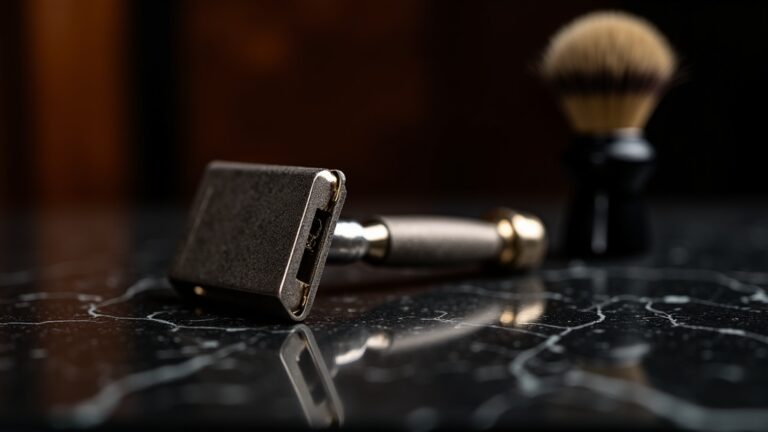
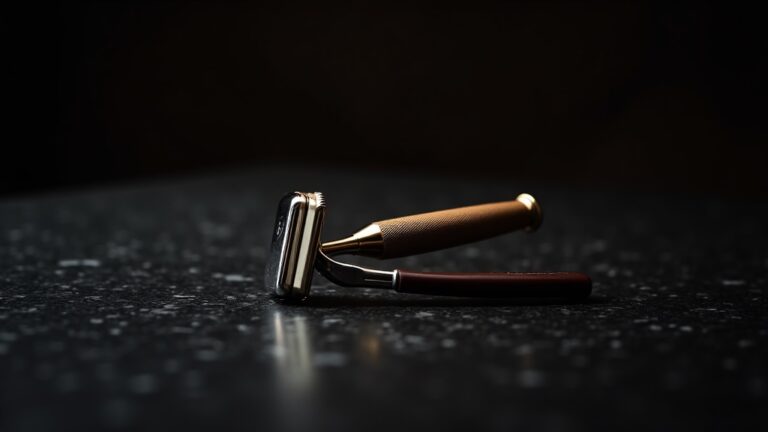
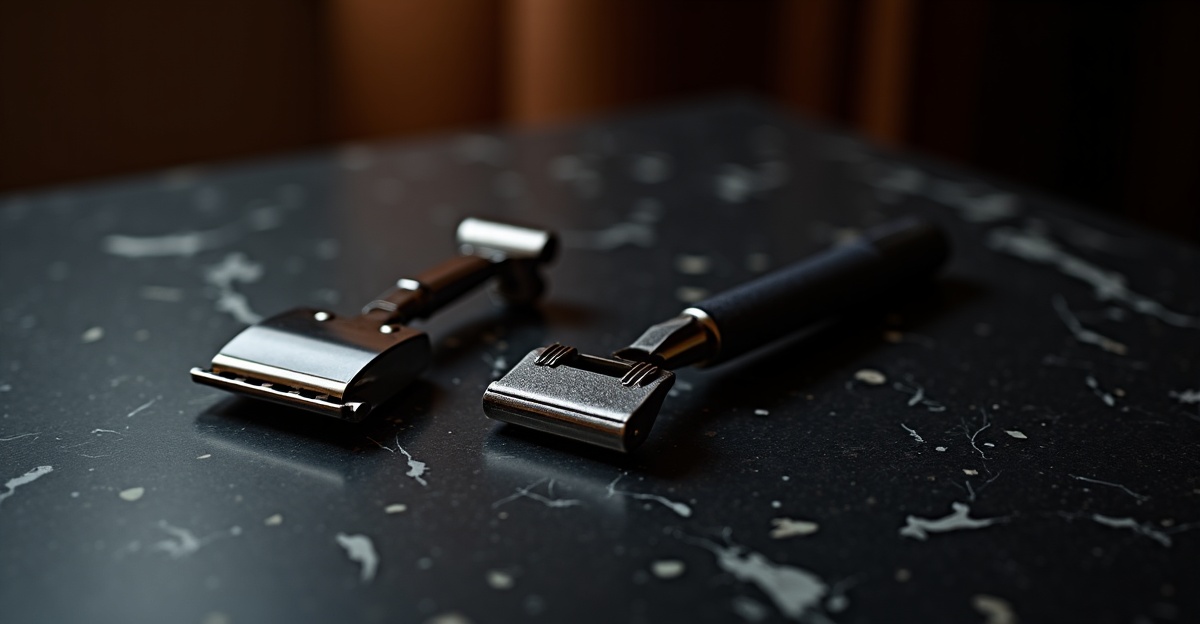
A double-edge (DE) safety razor loads a single thin blade that’s exposed on both sides of the razor head. The blade is protected by a guard bar — that’s where the “safety” name comes from. It’s not a cartridge razor, and it’s not a straight razor. It sits squarely in between, offering serious shave quality without the full commitment of traditional straight razor technique.
Here’s what you need to know about the DE razor as a beginner’s tool:
Learning curve: 3–6 months to competency, 2–4 weeks to get your sea legs. During the first few weeks you’ll be dialing in your angle (roughly 30 degrees off the skin) and learning to use zero downward pressure. The razor’s weight does the work — you just guide it. Most men have their technique sorted out within a month. Within three months, they’re getting shaves better than anything they experienced with cartridges.
Blade cost: $0.10–$0.50 each. A pack of 100 Derby blades runs about $10–$12. Each blade lasts 3–5 shaves. The math is embarrassingly good compared to multi-blade cartridges.
Hardware cost: $40–$80 for a quality beginner razor. The Merkur 34C is my standard recommendation — solid German engineering, mild blade gap, perfectly weighted at around $42–$50. It’s the razor I’ve put in more first-timers’ hands than any other, and I’ve never heard a complaint from someone who stuck with it through the learning curve.
For blades, start with Derby Extra blades — they’re forgiving, smooth, and cheap enough that you can toss one after a few shaves without guilt.
Maintenance: rinse and dry. After each shave, rinse the razor head under warm water, shake off the excess, and let it air dry. That’s it. Once a week, unscrew the head and rinse underneath. A well-maintained DE razor lasts decades. My daily Merkur is 20 years old and still shaves like the day I bought it.
Time per shave: 10–15 minutes. Once you’ve got the technique down, a full three-pass DE shave — with the grain, across, against — takes about 12–15 minutes including prep. In a hurry? A single with-the-grain pass takes 5 minutes and still beats a cartridge shave for closeness.
The Straight Razor: A Lifetime Blade and a Serious Commitment
A straight razor — the traditional fixed-blade kind — is a different animal entirely. A single piece of hardened steel, ground to an edge that makes a DE blade look blunt by comparison. Maintained properly, a straight razor never needs to be replaced. My first straight razor, a mid-range blade I bought in the late 1990s, is still in my kit.
But “maintained properly” is where most beginners stumble. Here’s what straight razor ownership actually requires:
Learning curve: 6–12 months, minimum. This isn’t me being dramatic. The r/wicked_edge community — the most active wet shaving forum online — consistently tells newcomers to expect six months before they’re getting consistently great shaves from a straight. You’re learning blade angle, stropping technique, grain mapping, and lather skills simultaneously. There’s no guard bar. The edge is completely exposed. Early mistakes leave marks.
Stropping: before every single shave. Before you put a straight to your face, you strop it. This means drawing the blade back and forth along a leather strop — typically 20–30 laps — to realign the blade’s edge and remove any microscopic burrs from your last shave. If you skip stropping, or do it poorly, the blade drags and you’ll feel it. Learning to strop correctly without rolling the edge takes practice.
Honing: 2–4 times per year. Stropping maintains an edge; it doesn’t restore one. Every few months, a straight razor needs to be sent to a professional honemeister or run across whetstones to restore the primary bevel. If you’re not learning to hone yourself, budget $20–$40 per honing session, or invest in learning the skill — which adds another layer of complexity to an already steep learning curve.
Hardware cost: $60–$200 for a solid entry point. The Boker straight razor lineup is where I send most beginners who are set on going straight from day one. Their mid-range options in the $80–$120 range come shave-ready and hold an edge well. Avoid the $20 import razors — they’re more wall decoration than shaving tool.
You’ll also need a quality leather strop. Add $40–$80 for that. And if you plan to hone yourself eventually, budget another $50–$150 for entry-level whetstones.
Time per shave: 20–30 minutes. Stropping adds 5 minutes before you even lather up. The shave itself is slower — you’re working with a blade that demands respect, and you’re not going to rush. Straight razor shaving is a ritual. If you want a 10-minute morning routine, this isn’t your path.
For beginners who want to experience straight-style shaving without the full commitment, the Parker SR1 shavette is worth considering. A shavette uses disposable half-DE blades instead of a permanent fixed edge — you get the straight razor technique experience without the maintenance demands. It’s a legitimate training tool, though it’s less forgiving than a full straight and not quite the same shave quality.
Shave Quality: Which One Actually Shaves Better?
Here’s the truth that both camps need to hear: technique matters more than tool.
A properly wielded DE razor in the hands of someone with solid technique will deliver a BBS shave every time. A straight razor in the hands of someone who’s mastered their stroke will deliver a shave so close it feels like your face is made of silk. Both are genuinely excellent outcomes. Both require you to earn that result.
Conversely, a straight razor in uncertain hands will leave you with redness, weepers, and a genuine reluctance to repeat the experience. A DE razor used with too much pressure will give you razor burn that’ll last all day.
The quality ceiling on a straight razor is fractionally higher — professional barbers who’ve been using them for decades describe a “smoothness” that’s hard to put into words. But the practical difference between a well-executed straight shave and a well-executed DE shave is marginal. The r/wicked_edge wiki puts it plainly: in blind tests, experienced wet shavers often can’t reliably distinguish between the two.
What I tell every beginner: master the DE razor first. Build your shave prep discipline, learn your beard grain, develop the zero-pressure habit. Those fundamentals translate directly to straight razor technique when you’re ready.
Cost Breakdown: The Real Numbers Over Time
| Cost Item | Safety Razor (DE) | Straight Razor |
|---|---|---|
| Entry Hardware | $40–$80 | $60–$200 |
| Strop | Not needed | $40–$80 |
| Ongoing Blade Cost | $0.10–$0.50 per blade | $0 (blade lasts for life) |
| Honing (Annual) | Not needed | $20–$40 x 2–4 sessions |
| Year 1 Total (approx.) | ~$60–$90 | ~$180–$380 |
| Year 5 Total (approx.) | ~$100–$130 | ~$360–$760 |
The DE razor is the clear winner on cost, especially in years one through three. The straight razor’s “lifetime blade” advantage only materializes after you’ve absorbed the upfront costs — and that’s assuming you’re handling your own honing. The math does eventually favor the straight razor over a decade or more, but for most beginners the DE is more economical and more practical.
Maintenance Requirements: What You’re Actually Signing Up For
Safety razor maintenance is minimal. Rinse after each shave, dry, and it’s done. Once a month, unscrew the head and check for buildup. Replace blades every 3–5 shaves. If you travel, toss the razor in your bag — just remove the blade before going through airport security (TSA allows the handle in carry-on; blades go in checked baggage).
Straight razor maintenance is a practice in itself. Stropping before every shave is non-negotiable. Drying the blade completely after each use (water causes rust on carbon steel, and even stainless should be dried and occasionally oiled). Periodic honing — either professionally or by learning the skill yourself. Proper storage in a dry location with the blade oiled lightly to prevent oxidation.
This isn’t a burden if you love the ritual. Many straight razor users describe the maintenance as part of the meditative quality of the practice. But if you’re looking for a clean, close shave without a second part-time hobby, the DE razor is your answer.
Victor’s Recommendation: Start Here, Add That Later
I’ve spent 30 years watching men pick up both tools for the first time. Here’s what I’ve observed:
Men who start with a DE razor and give it three to six months almost universally love wet shaving. Their skin improves. Their routine becomes something they look forward to. A meaningful percentage of them eventually pick up a straight razor as a second tool — not because the DE was inadequate, but because they caught the bug and wanted to go deeper.
Men who start with a straight razor before they’ve got the fundamentals down have a much harder time. Some push through and develop the skill. Others get frustrated, cut themselves more than they should, and end up back in the cartridge razor aisle at the drugstore.
My recommendation: Start with a DE safety razor. Give it six months minimum. Then, if you want the full traditional shaving experience, add a straight razor as your weekend or special-occasion blade.
This is not a knock on the straight razor — it’s the most elegant shaving tool ever made. But it deserves to be learned by someone who already knows how to prep their face, read their beard grain, and control blade angle. Build that foundation on a DE first and the straight razor learning curve becomes substantially more manageable.
My starter kit recommendation:
- 🪒 Merkur 34C Safety Razor — The gold standard beginner DE razor
- 🪒 Derby Extra DE Blades (100-pack) — Forgiving and affordable
- 🪒 Parker SR1 Shavette — For those who want to practice straight technique without full commitment
- 🪒 Boker Straight Razor — A solid mid-range entry into traditional straights (after 6+ months on DE)
Frequently Asked Questions
Is a straight razor better than a safety razor?
“Better” depends on what you mean. A straight razor has a fractionally higher shave quality ceiling in experienced hands, and a well-maintained straight never needs blade replacement. But the learning curve is significantly steeper, the maintenance demands are higher, and the shaves take longer. For most men, especially beginners, a DE safety razor provides an equal or superior shaving experience with a fraction of the complexity.
How long does it take to learn to shave with a straight razor?
Most shavers report feeling competent after 6–12 months of consistent practice. The first several months involve building muscle memory for blade angle, learning to strop properly, and mapping your beard grain. Expect some frustration early on, particularly around the jaw and neck. The community at r/wicked_edge’s wiki is one of the best free resources available for straight razor beginners.
Can I hurt myself with a safety razor?
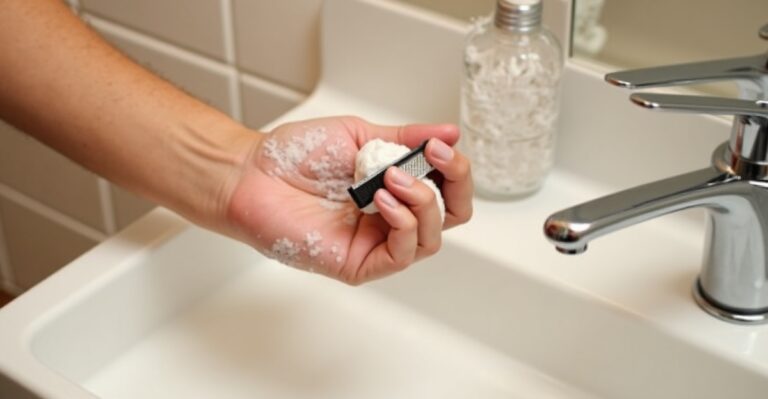
Yes, but the risk is manageable. The guard bar significantly limits how much blade contacts your skin. Most beginner nicks come from applying too much pressure or using too steep an angle. These are technique errors that sort themselves out within a few weeks of practice. An alum block — rubbed on after each shave — stops minor bleeding instantly and tells you exactly where your technique needs work.
What is a shavette and is it a good alternative to a straight razor?
A shavette is a straight-razor-shaped handle that accepts disposable half-DE blades instead of a fixed blade. It looks and handles like a straight razor but eliminates the stropping and honing requirements. The Parker SR1 is a popular entry-level shavette. It’s a legitimate training tool and a good way to experience straight razor technique without the full maintenance commitment. The downside: shavettes tend to be slightly less forgiving than well-maintained full straights due to blade flex.
How often do I need to replace DE razor blades?
Most DE blades last 3–5 shaves for the average man. Heavier or coarser beards may shorten that to 2–3 shaves. You’ll know it’s time when the blade starts to tug instead of glide — that feeling of resistance is your cue. At $0.10–$0.50 per blade, there’s no reason to push a dull blade past its useful life. If you’re questioning whether the blade is still sharp, it isn’t.
About Victor Harlow: Victor Harlow spent 30 years as a barber before retiring in 2018. He has been wet shaving since 1994 and has taught straight razor and DE technique to hundreds of clients and apprentices over his career. He lives in the Pacific Northwest and still shaves every morning — sometimes twice if the mood is right.