Best Shaving Soaps of 2026: Traditional Wet Shaving Picks
Disclosure: This post contains affiliate links. As an Amazon Associate I earn from qualifying purchases. Clicking these links costs you nothing extra and helps keep Classic Blade running.
After more than two decades testing hundreds of shaving products — from drugstore sticks to bespoke artisan pucks — I can tell you with confidence that the best shaving soap will transform your morning ritual from a chore into something worth looking forward to. I still remember the moment I switched from a pressurized can to a proper soap and brush setup: it was 2003, at a barbershop in Edinburgh, and the difference in skin feel was immediate. That single shave changed everything.
Whether you’re new to traditional wet shaving or a seasoned DE razor devotee looking for your next great puck, this guide covers the best shaving soaps available in 2026 — tested, ranked, and explained with no fluff.
What Makes a Great Shaving Soap?
Not all shaving soaps are equal. After years of testing (and more than a few razor burns from bad lather), here’s what I look for:
- Slickness & Glide: The lather needs to reduce friction dramatically. A razor gliding on well-lubricated skin is the difference between a close shave and irritation. Look for soaps with lanolin, tallow, or high-quality plant oils.
- Cushion: Good lather creates a protective buffer between blade and skin. Dermatological research on the skin barrier (Journal of Investigative Dermatology, 2019) confirms that maintaining the stratum corneum lipid layer during shaving reduces micro-trauma — quality soaps with glycerin and fatty acids help preserve this layer.
- Ease of Lathering: Especially important for beginners. Some hard soaps require technique; softer “croap” formulations are more forgiving.
- Post-Shave Feel: Quality ingredients like shea butter, lanolin, and sodium lactate leave skin soft, not stripped.
- Scent: Subjective, but important — you won’t use it if you hate the smell.
- Value: A 4 oz puck should last 3–6 months with daily use, making even “expensive” artisan soaps economical.
Best Shaving Soaps 2026 — Our Top Picks
I’ve personally used all of these soaps across multiple tubs and testing periods. Here’s where they stand:
| Product | Scent Profile | Lather Quality | Price Range | Best For |
|---|---|---|---|---|
| Proraso Green | Eucalyptus & Menthol | ⭐⭐⭐⭐ | $10–$14 | Beginners, Budget |
| Taylor of Old Bond Street | Sandalwood / Lavender | ⭐⭐⭐⭐½ | $18–$25 | Luxury feel, Gifting |
| Mitchell’s Wool Fat | Clean, subtle floral | ⭐⭐⭐⭐⭐ | $20–$28 | Dry skin, Experts |
| Barrister & Mann (Omnibus) | Varies by scent | ⭐⭐⭐⭐⭐ | $22–$30 | Performance junkies |
| Stirling Soap Co. | 100+ scent options | ⭐⭐⭐⭐½ | $14–$18 | Value, Variety seekers |
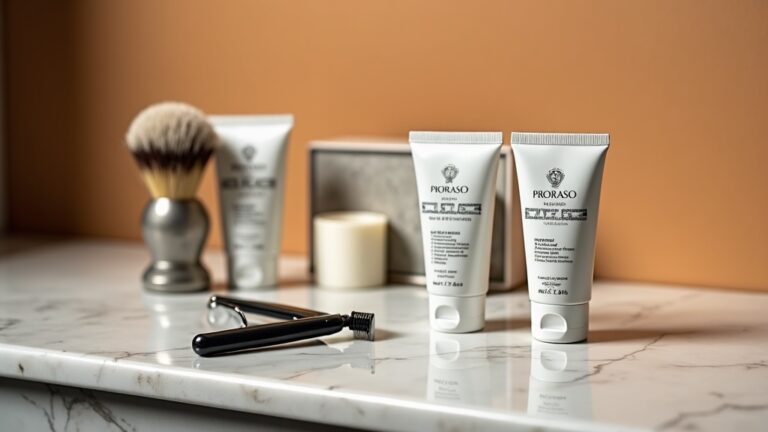
1. Proraso Green — Best Budget Shaving Soap for Beginners
My verdict: The gateway drug to traditional wet shaving.
I still keep a tub of Proraso Green on my shelf, not because it’s my “best” soap, but because it consistently delivers and costs almost nothing. The eucalyptus and menthol formula creates a generous, cushioned lather that’s almost impossible to mess up — even with a cheap boar brush and tap water. It’s been around since 1948 for a reason.
Pros: Extremely affordable, easy to lather, skin-tightening menthol effect, widely available. Cons: Contains some synthetic ingredients, menthol can sting post-shave nicks, not ideal for very sensitive skin. Skin type: Normal to oily.
→ Check Proraso Green pricing on Amazon
2. Taylor of Old Bond Street — Best Traditional British Shaving Soap
My verdict: 160 years of craft in a bowl.
TOBS has been making shaving products since 1854. Their Sandalwood soap is my go-to recommendation for anyone who wants to feel like they’re getting a proper wet shave without breaking the bank. The scent is refined — warm sandalwood with a hint of powder — and the triple-milled formula produces a dense, protective lather that handles a three-pass shave beautifully. I gifted a bowl to my brother-in-law last Christmas and he’s been converted ever since.
Pros: Classic British quality, excellent scent range (including Avocado, Mr. Taylor, Jermyn St.), widely available, good lather density. Cons: Harder than soft soaps, requires 30–45 seconds of face/bowl lathering, not vegan (contains glycerin from animal sources). Skin type: Normal to combination.
→ Check Taylor of Old Bond Street on Amazon
3. Mitchell’s Wool Fat — Best Shaving Soap for Dry Skin
My verdict: Niche, demanding, and absolutely worth it.
Mitchell’s Wool Fat (MWF) is the soap that wet shaving obsessives either love passionately or spend weeks troubleshooting. It’s a hard soap containing lanolin — derived from sheep’s wool — and the post-shave moisturization it delivers is genuinely remarkable. A 2021 ingredient analysis published in the International Journal of Cosmetic Science found that lanolin’s fatty acid profile closely mirrors the skin’s natural lipid composition, making it exceptionally compatible with the skin barrier.
I’ve been using MWF since approximately 2011. My technique with it: bloom the puck for 60 seconds before loading your brush, use a damp (not soaking wet) brush, and build the lather on your face rather than in a bowl. Once you crack the code, you’ll never want to go back.
Pros: Exceptional post-shave skin feel, lanolin is outstanding for dry/mature skin, economical (a puck lasts 6–12 months), made in England to a traditional formula. Cons: Steep learning curve, hard to lather in very soft water, plain scent won’t win fragrance awards, harder to find in the US. Skin type: Dry to normal.
→ Check Mitchell’s Wool Fat on Amazon
4. Barrister & Mann — Best Artisan Shaving Soap for Performance
My verdict: The artisan benchmark that others chase.
Barrister & Mann (B&M) is consistently ranked among the top wet shaving soaps by communities like r/wicked_edge and Badger & Blade — and for good reason. Their “Omnibus” base performs excellently in both hard and soft water, producing a thick, stable lather with exceptional slickness. Their fragrance development is legitimately impressive; scents like Seville (Chypre-adjacent, complex, sophisticated) and Hallows (ethereal, autumnal) have no parallel in the traditional soap market.
I first tried B&M’s Bay Rum around 2017 and immediately ordered three more scents. The Omnibus base has a slight advantage over their older formulas: it handles water ratio variations without collapsing, which is crucial for beginners still learning hydration levels.
Pros: Outstanding lather in hard & soft water, sophisticated fragrance profiles, strong community reputation, regular limited-edition releases. Cons: Higher price point, not always in stock, direct-from-brand ordering only (no major retail distribution), US-only shipping can be slow internationally. Skin type: All skin types.
→ Check Barrister & Mann on Amazon
5. Stirling Soap Co. — Best Value Artisan Shaving Soap
My verdict: Unbeatable bang for your buck.
Stirling Soap Co. is the working man’s artisan soap. They offer over 100 scents, their base is consistently excellent, and at $14–$18 per 5.8 oz tub, they’re nearly half the price of comparable artisan brands. Their tallow-based formula produces a dense, slick lather, and the addition of lanolin in many of their formulas gives a post-shave feel that punches well above their price point.
Favorite Stirling scents: Barbershop (the quintessential old-school barbershop accord), Arkadia (oakmoss and citrus, a summer staple), and Executive Man (their take on a classic fougère). I’ve gone through at least 15 tubs across various scents since discovering them in 2015.
Pros: Exceptional value, massive scent selection, reliable and consistent quality, sample pucks available for trying new scents. Cons: Some scents are better than others (stick with top sellers to start), harder tallow soaps need a well-loaded brush, website can go out of stock on popular scents. Skin type: All skin types (sensitive skin formula available).
→ Check Stirling Soap Co. on Amazon
How to Lather Shaving Soap Correctly
Most beginners struggle with shaving soap not because the product is bad, but because lathering technique needs refinement. Here’s my method, developed over 20+ years:
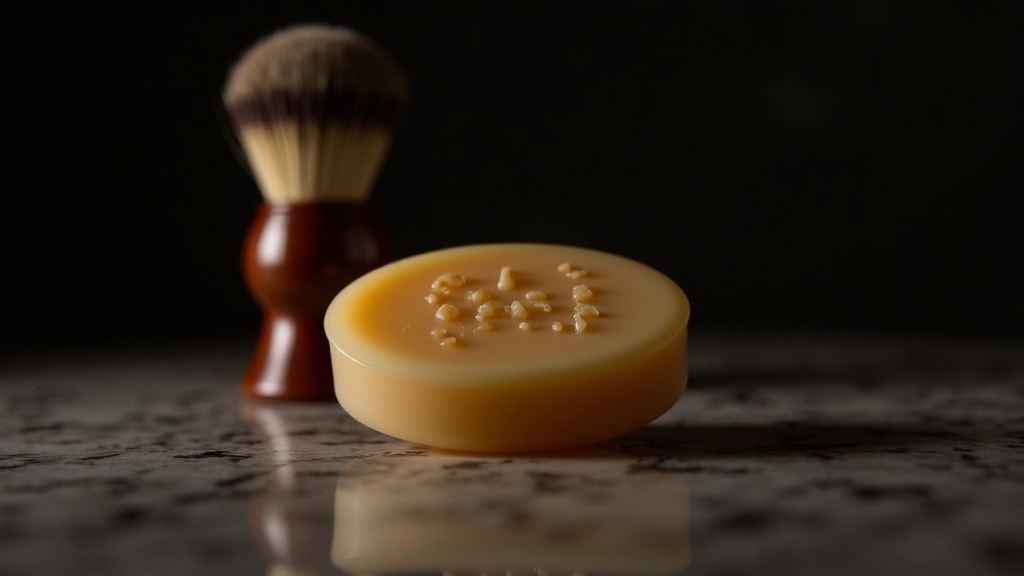
- Bloom the soap (optional but recommended): Add a small amount of warm water to the top of the puck and let it sit while you shower. This softens the surface and makes loading easier.
- Load your brush: Using a damp (not dripping) brush, work in circles on the soap surface for 20–30 seconds for soft soaps, 30–45 seconds for hard tallow soaps. You want a good amount of product loaded.
- Build lather: For face-lathering beginners, apply the loaded brush directly to your wet face and work in circles. For bowl lathering, transfer to a bowl and add water in small increments, working until the lather is glossy and peaks.
- Water is everything: Too dry = sticky paste. Too wet = thin, watery mess. Aim for a lather that holds peaks without dripping — the consistency of whipped cream, not shaving foam from a can.
- Re-apply between passes: For a two- or three-pass shave, re-lather between each pass rather than shaving through dried lather.
Pro tip: Hard water kills lather. If you live in a hard water area, try filtered water or add a small pinch of citric acid to your bowl — it makes a noticeable difference, especially with soaps like Mitchell’s Wool Fat.
Shaving Soap vs. Shaving Cream: Which Should You Use?
This is probably the most common question I get from people new to traditional wet shaving, and the honest answer is: it depends on what you value.
Choose shaving soap if: You want a longer-lasting product (soaps outlast creams 2:1 by many estimates), you prefer the ritual of building lather from scratch, you have normal to oily skin, or you enjoy collecting different scents and bases.
Choose shaving cream if: You’re just starting out and want easier lathering, you have dry or sensitive skin (creams are typically more moisturizing), you’re often in a hurry, or you travel frequently (tubes are more portable).
Barrister & Mann’s own blog notes that “shaving soaps give closer, more controlled shaves” due to the denser lather, while creams are faster and more beginner-friendly. My take: start with a quality cream (like Taylor of Old Bond Street or Proraso) to build confidence, then graduate to hard soaps as your technique improves.
Frequently Asked Questions About Shaving Soap
Is shaving soap better than shaving gel?
For traditional wet shaving with a brush, absolutely. Brush-applied soap lather provides superior cushion, better blade glide, and a more moisturizing post-shave experience than aerosol gels. Gels are designed for convenience; soaps are designed for performance.
How long does a shaving soap puck last?
A standard 4 oz hard soap puck used daily will last most people 3–6 months. Softer soaps and croaps (cream-soap hybrids) tend to go faster. Mitchell’s Wool Fat users routinely report their soap outlasting 12 months of regular use.
Do I need a special brush to use shaving soap?
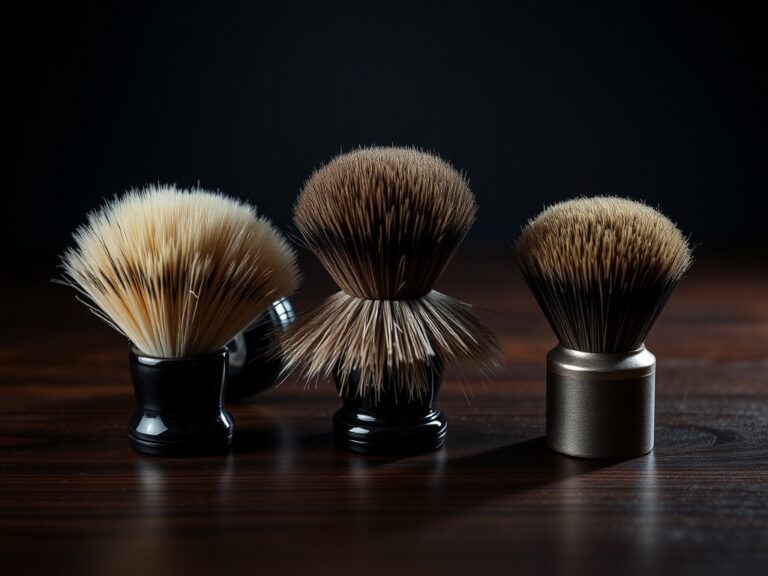
Any shaving brush will work — badger, boar, or synthetic. For hard soaps like MWF, a dense knot (badger or stiff synthetic) makes loading easier. Beginners are often surprised how well a $15 synthetic brush performs; you don’t need to spend $100+ on a silvertip badger to get excellent lather.
What’s the best shaving soap for sensitive skin?
I recommend unscented options or those with minimal fragrance: Stirling’s Unscented formula, Mitchell’s Wool Fat (which is lanolin-rich and very gentle), or Proraso White (designed specifically for sensitive skin with green tea and oat extract). Avoid soaps with menthol if you’re prone to post-shave redness.
Can I use shaving soap without a brush?
Technically yes, but you’ll waste most of the soap and get inferior lather. The brush is what creates the air-incorporated, cushioned lather that makes soap worth using. A basic synthetic brush costs under $20 and transforms the experience completely.
Our Verdict: The Best Shaving Soap in 2026
After 20+ years, hundreds of soaps tested, and more shaves than I care to count, here’s my summary:
- Best overall for beginners: Proraso Green — foolproof, affordable, widely available.
- Best traditional pick: Taylor of Old Bond Street Sandalwood — classic quality, beautiful scent.
- Best for dry skin: Mitchell’s Wool Fat — demanding but worth every minute of learning.
- Best artisan performance: Barrister & Mann (Omnibus base) — top-tier lather and fragrance.
- Best value: Stirling Soap Co. — the entire catalog is worth exploring.
The truth is, any of these five soaps will give you a dramatically better shave than a can of foam ever could. Pick the one that fits your budget and skin type, invest in a decent brush, and take the time to build proper lather. Your skin — and your mornings — will thank you.
Ready to upgrade your shave? Start with Proraso Green on Amazon for an easy entry point, or jump straight to Taylor of Old Bond Street if you want to treat yourself right.
— Thomas Hargrove has been wet shaving since 2002 and has tested hundreds of razors, soaps, and brushes. He’s contributed to Classic Blade since its founding.

About Thomas Hargrove
Traditional Wet Shaver — 23 Years, 300+ Razors Tested
Thomas Hargrove picked up his grandfather safety razor at 19 and never looked back. At Classic Blade, he reviews gear with the same precision he brings to every shave. Read more