

The quick take
Verdict, audience & limits
How Much Shaving Lather Do You Really Need? Common Mistakes Explained
After 23 years of wet shaving, I can tell you the most common mistake I see isn’t about blade angle […]
Who this is for
Readers deciding whether this shaving topic, method, or product category fits their routine and preferences.
What this cannot promise
A universal result, irritation-free shave, medical outcome, or firsthand product test unless that specific use is explicitly documented.
Specifications & source boundary
Model dimensions, materials, blade compatibility, and loading instructions should be checked against the maker’s documentation for the exact product and version. Manufacturer specifications are not independent measurements, and a photograph is not evidence of a product test.
How to read the evidence
Applies only where a specific razor, blade, or product and its conditions are explicitly identified.
Maker-supplied details should be checked against the exact model, market, and version.
A cautiously summarized pattern across identified sources, with disagreement acknowledged.
Background or explanatory framing, not a testing credential or objective measurement.
A subjective choice about feel, cost, convenience, or ritual—not a universal recommendation.
Technique variables
Change one thing. Pay attention.
Lather & preparation
Soften the beard with water, build a comfortably slick lather, and reapply before another pass.
Angle & pressure
Use light pressure and a shallow, familiar angle appropriate to the razor. Do not press harder to compensate for tugging.
Direction & passes
Begin with the grain, use fewer deliberate passes, and let comfort matter more than chasing perfect closeness.
Blade handling
Follow loading instructions, hold only unsharpened sides, and keep cutting edges away from fingers.
Use light pressure, fewer deliberate passes, and stop for pain or persistent irritation. Keep unused blades dry, secure, and away from children and pets. Place used blades in a closed puncture-resistant container and follow local disposal guidance. This is general grooming guidance, not medical advice.
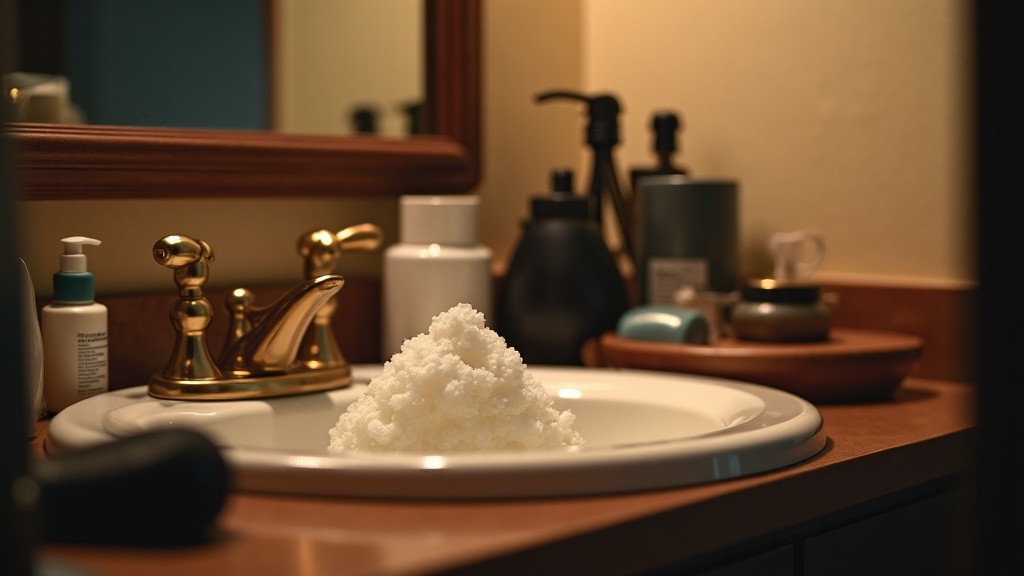
After 23 years of wet shaving, I can tell you the most common mistake I see isn’t about blade angle or pressure—it’s lather. Most guys are building enough foam to shave an entire battalion when they only need enough for one face.
The answer? You need just enough lather to provide a thin, yogurt-thick cushion between your blade and skin—roughly 2-3 tablespoons of actual lather for a full face and neck shave. But I’ve watched countless shavers whip up a mixing bowl’s worth of foam and wonder why their shaves feel dry or their soap disappears in weeks instead of months.
The Real Purpose of Shaving Lather
Here’s what 300+ razors have taught me about lather: it’s not foam insulation. It’s a lubrication and hydration layer. Your lather needs to do three things:
- Soften your whiskers — Water content is key, not foam volume
- Provide glide — A thin slickness layer between blade and skin
- Cushion the cut — Just enough buffer to prevent irritation
When I started with my grandfather’s 1959 Gillette Fatboy, I thought more lather meant a better shave. Wrong. I was creating so much foam that it dried out before I finished my second pass. The lather looked impressive but performed poorly because I’d whipped all the moisture out of it.
How Much Lather You Actually Need (By the Numbers)
Let me give you specific measurements because “enough lather” means nothing without context:
| Shave Area | Lather Amount | Visual Reference |
|---|---|---|
| Face only (no neck) | 1.5-2 tablespoons | Golf ball size |
| Full face + neck | 2-3 tablespoons | Small lemon size |
| Head shave | 3-4 tablespoons | Tennis ball size |
| Touch-ups between passes | 0.5-1 tablespoon | Walnut size |
That’s for a three-pass shave. If you’re doing more than that, you either have a technique problem or you’re chasing BBS (baby smooth) at the expense of your skin.
The Five Signs You’re Using Too Much Lather
1. Your Lather Dries Out Mid-Shave
If your foam starts looking chalky or feels tight on your face during your second or third pass, you’ve over-whipped it. Too much air, not enough water. I see this constantly with guys using badger shaving brushes who think they need to whip their lather into meringue-level stiffness.
2. You’re Going Through Soap Like It’s Going Out of Style
A quality shaving soap puck should last 2-4 months with daily use. If you’re replacing yours every 3-4 weeks, you’re loading way too much product onto your brush. I load my brush for exactly 30 seconds—no more.
3. Lather Is Dripping Off Your Face
Gravity doesn’t lie. If your lather is running down your neck or dripping into the sink before you even start shaving, it’s too wet or there’s simply too much of it. Proper lather should stay where you put it.
4. Your Brush Looks Like a Shaving Cream Commercial
Those glossy magazine ads showing a brush piled high with pristine white peaks? That’s marketing, not reality. My brush after loading looks modest—maybe an inch of lather sticking up from the knot. That’s all you need.
5. You Can’t See Your Skin Through the Lather
This one surprises people, but you should be able to see the outline of your face through a properly thin lather layer. If you’ve painted yourself white like a mime, you’ve gone overboard. I use a translucent layer—just enough to see I’ve got coverage.
The Goldilocks Zone: What Perfect Lather Looks Like
After two decades of daily shaving, here’s my benchmark: perfect lather has the consistency of thick Greek yogurt. Not whipped cream. Not cake frosting. Yogurt.
When I paint it on my face with my synthetic shaving brush, it should:
- Form a thin, even layer (1-2mm thick)
- Show a slight sheen—not dry or matte
- Stay put without sliding
- Provide visible glide when you test with your finger
The texture matters more than volume. I’d rather have 2 tablespoons of properly hydrated, slick lather than a mixing bowl full of airy foam that provides zero protection.
Common Lathering Mistakes That Lead to Excess
Loading Too Much Soap on the Brush
Most guys load for a full minute or more, grinding their brush into their soap puck like they’re trying to dig to China. Stop. Load for 30 seconds maximum. You can always add more if needed, but you can’t take it out once it’s in the brush.
Adding Water Too Fast
The biggest technical mistake I see is guys dumping water into their lather all at once. Add it gradually—a few drops at a time. I add water maybe 8-10 times during my lather building process, with plenty of working the brush between additions. This gives you control and prevents over-dilution.
Confusing Volume with Quality
YouTube shaving channels don’t help here. Videos showing massive lather explosions get clicks, but they’re teaching bad habits. A palm-sized amount of dense, wet lather outperforms a sink full of dry foam every single time.
Using a Bowl When You Don’t Need One
Bowl lathering encourages excess. You’ve got this big shaving bowl sitting there, and it feels wrong not to fill it. I face lather 90% of the time now. You use exactly what you need, no more.
How to Build the Right Amount (My 30-Second Method)
Here’s my exact process, refined over 23 years:
- Wet the brush — Soak it for 30 seconds, squeeze out about 70% of the water
- Load for 30 seconds — Circular motions on the soap puck, moderate pressure
- Move to your face (or bowl) — Start building with what’s in the brush
- Add water gradually — 3-4 drops at a time, work it in fully before adding more
- Stop when it’s yogurt-thick — Should take 45-60 seconds of working
Total time from brush to face-ready lather: 2 minutes maximum. If you’re spending longer than that, you’re overthinking it.
Does Soap Type Change How Much Lather You Need?
Yes, but not as much as you’d think. I’ve tested everything from tallow-based shaving soaps to modern vegan formulas, and while they lather differently, the amount you need stays consistent.
The main differences:
- Tallow soaps — Create denser lather, need slightly less water, can use 10-15% less product
- Glycerin soaps — Thirstier formulas, need more water but still same volume of lather
- Triple-milled hard soaps — Load slower, but you need the same amount once loaded
- Croaps (cream-soap hybrids) — Load faster, easier to overload if you’re not careful
The formula changes your technique slightly, but the end goal remains the same: enough lather to cover your shave area in a thin, protective layer.
What About Shaving Cream vs. Soap?
Switching from soap to shaving cream from a tube doesn’t change the lather amount you need—just how you get there. With cream, I use an almond-sized dollop, work it with a damp brush, and build the same yogurt-thick consistency.
The advantage? Creams are nearly impossible to over-load. The disadvantage? They encourage lazy technique because they lather so easily. You can still use too much; it just takes more deliberate excess.
The Economics of Proper Lather Amount
Let’s talk money for a second. If you’re building proper lather, here’s what a $20 soap puck costs per shave:
- Excessive lather — 60-70 shaves per puck = $0.29-0.33 per shave
- Proper lather — 90-120 shaves per puck = $0.17-0.22 per shave
- Minimal lather — 130+ shaves per puck = $0.15 per shave
Over a year, that’s the difference between spending $107 or $62 on soap. Same quality shaves, $45 saved just by using the right amount.
Frequently Asked Questions
Can you use too little lather?
Absolutely, and you’ll know immediately. Insufficient lather gives you razor drag, skipping, and irritation. If your blade feels like it’s catching or pulling, you need more lather or your lather needs more water. I’d rather use slightly too much than too little—skin irritation isn’t worth the soap savings.
Does hard water affect how much lather I need?
Hard water makes lather harder to build, but once you’ve got it built, the amount you need stays the same. I dealt with hard water for years before installing a softener. My workaround: add a pinch of citric acid to my lather water or use distilled water. You’ll use more soap fighting hard water, but the actual lather amount for shaving doesn’t change.
Should I add more lather between passes?
Not usually. I add a tiny bit of water to my remaining lather and re-spread it for my second and third passes. If you built proper lather the first time, you’ve got enough for 3 passes. Adding fresh lather between every pass is overkill and wastes product. Only exception: if you’re doing a fourth pass or cleaning up trouble spots.
How do I know if my lather is too dry vs. too wet?
Too dry: looks matte, feels sticky, dries on your face within a minute, provides no glide. Too wet: drips, looks translucent like dish soap, provides no cushion, disappears immediately under the razor. Perfect lather: slight sheen, stays put, glides smoothly, you can see it on the blade after each stroke. When in doubt, add one more small splash of water—most lather problems are from being too dry.
Do I need less lather with a more aggressive razor?
No. Razor aggressiveness doesn’t change lather requirements. Whether I’m using a mild Merkur 34C or an aggressive Fatip, I build the same amount of lather. What changes is my technique and attention—not the protective cushion I need between blade and skin. Some guys think an aggressive razor needs more lather for protection, but that’s technique compensation, not good practice.
Tradeoffs, uncertainty & affiliate disclosure
A closer shave can require more passes and may reduce comfort. Product feel varies with razor, blade, lather, angle, pressure, beard growth, and personal preference. ClassicBlade does not imply that every mentioned item was purchased, used, measured, or independently tested.
Some links may be affiliate links. ClassicBlade may earn a commission at no added cost to you; commercial links do not stand in for evidence.


Leave a Comment