
The quick take
Verdict, audience & limits
How Does Water Quality Affect Blade Sharpness?
I have been wet shaving for more than two decades, and I can answer this one plainly: water quality usually […]
Who this is for
Readers deciding whether this shaving topic, method, or product category fits their routine and preferences.
What this cannot promise
A universal result, irritation-free shave, medical outcome, or firsthand product test unless that specific use is explicitly documented.
Specifications & source boundary
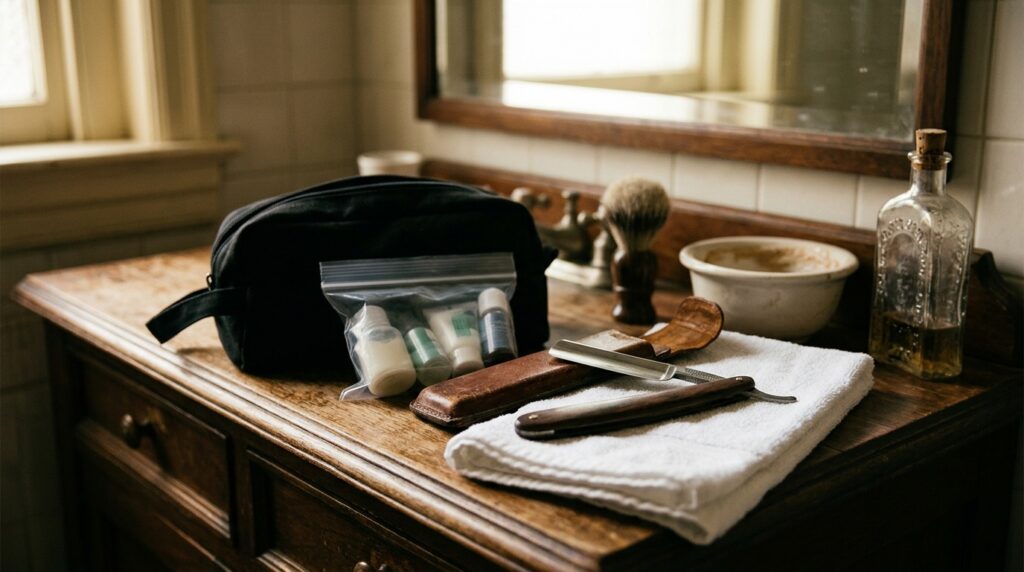
Model dimensions, materials, blade compatibility, and loading instructions should be checked against the maker’s documentation for the exact product and version. Manufacturer specifications are not independent measurements, and a photograph is not evidence of a product test.
How to read the evidence
Applies only where a specific razor, blade, or product and its conditions are explicitly identified.
Maker-supplied details should be checked against the exact model, market, and version.
A cautiously summarized pattern across identified sources, with disagreement acknowledged.
Background or explanatory framing, not a testing credential or objective measurement.
A subjective choice about feel, cost, convenience, or ritual—not a universal recommendation.
Technique variables
Change one thing. Pay attention.
Lather & preparation
Soften the beard with water, build a comfortably slick lather, and reapply before another pass.
Angle & pressure
Use light pressure and a shallow, familiar angle appropriate to the razor. Do not press harder to compensate for tugging.
Direction & passes
Begin with the grain, use fewer deliberate passes, and let comfort matter more than chasing perfect closeness.
Blade handling
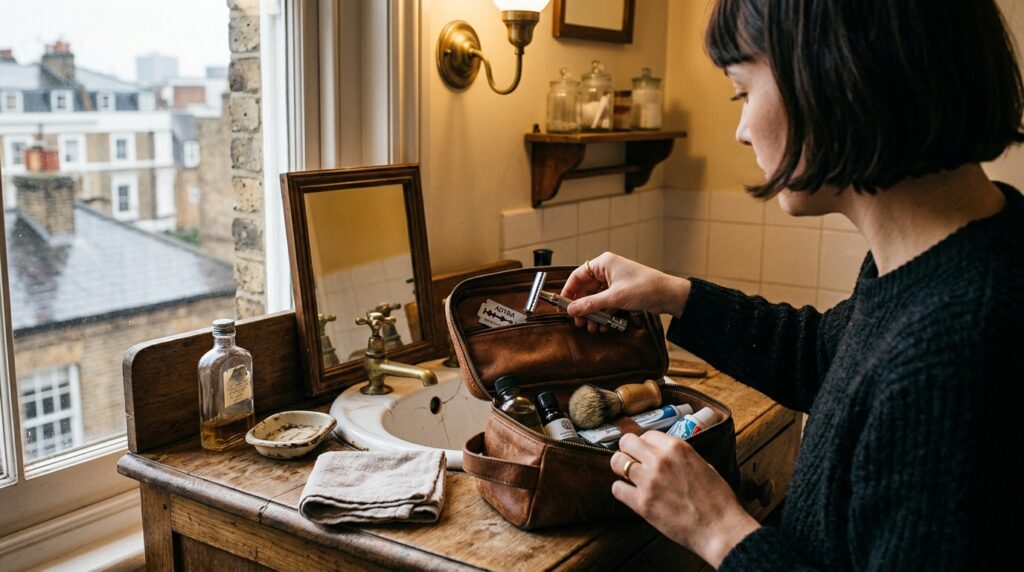
Follow loading instructions, hold only unsharpened sides, and keep cutting edges away from fingers.
Use light pressure, fewer deliberate passes, and stop for pain or persistent irritation. Keep unused blades dry, secure, and away from children and pets. Place used blades in a closed puncture-resistant container and follow local disposal guidance. This is general grooming guidance, not medical advice.
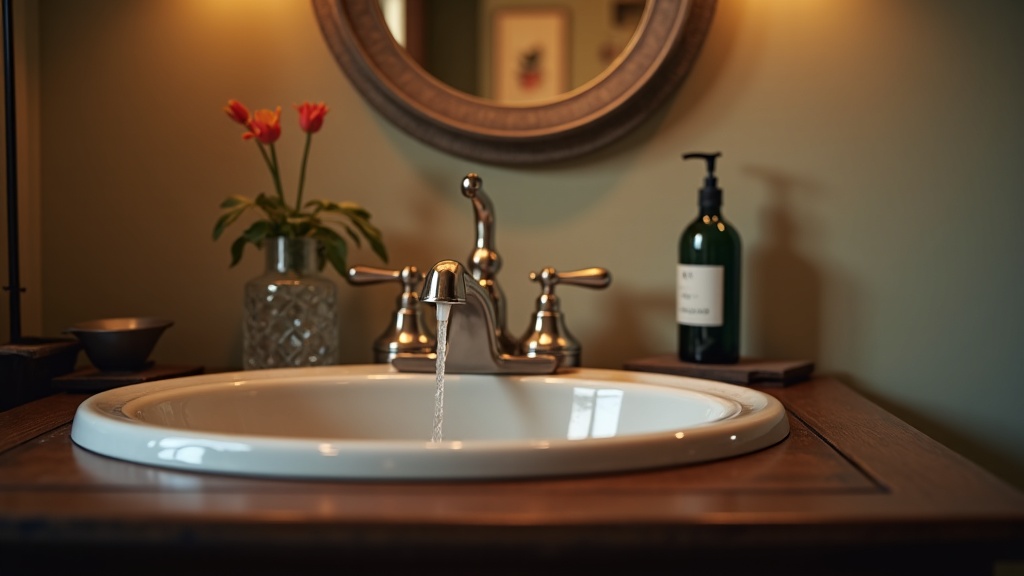
I have been wet shaving for more than two decades, and I can answer this one plainly: water quality usually does not make a blade dull in a single shave, but it absolutely changes how sharp the blade feels, how long it stays comfortable, and how well your razor survives over time. Hard water leaves mineral film. Chlorinated or salty water can encourage corrosion if you put a razor away wet. Dirty rinse water keeps soap residue on the edge and in the head. On a modern stainless blade, the biggest day-to-day effect is usually feel. On a vintage razor, the bigger danger is often what the water leaves behind after you think the shave is over.
That distinction matters. Men often blame the blade when the real culprit is the water, the lather, or the residue drying inside the razor. I have restored enough old Gillettes, Schicks, and English pieces to tell you that poor rinse habits and bad storage ruin more razors than normal shaving ever does.
Water Quality Affects Feel First, Edge Life Second, Razor Condition Third
When someone asks, How Does Water Quality Affect Blade Sharpness?, they are usually talking about one of three things:
- The blade feels tuggy even though it is new.
- The blade seems to go bad faster in one razor or one house than another.
- The razor develops staining, soap crust, or corrosion around the blade posts and cap.
Hard water is the most common cause of the first problem. Minerals such as calcium and magnesium interfere with lather quality and leave deposits on the razor. That does not magically grind the edge flat, but it can make the shave feel harsher because the blade is moving through poorer lubrication and dragging through residue. If your lather looks good in the bowl but dries chalky on the razor, your water is part of the story.
The second problem comes from what remains on the blade between shaves. Stainless blades still dislike being stored with soap film, mineral deposits, and moisture trapped in the head. Chlorides are especially unfriendly to stainless steel because they raise the risk of localized corrosion, and that is one reason coastal collectors learn to rinse and dry more carefully than men inland. The blade edge is very thin. It does not take dramatic rust for performance to drop.
The third problem is where collectors get burned. Vintage razors are often plated brass, sometimes nickel, sometimes chrome, sometimes gold wash, and sometimes silver. The blade itself is replaceable. The plating is not. I would rather replace a blade every other shave than attack a 1930s finish with the wrong cleaner one time.
What Different Water Types Actually Do
Hard Water
Hard water is rich in dissolved minerals. In shaving, that usually means weaker lather, more soap scum, and more residue on the razor head. The edge can still be sharp under a microscope, but on your face it feels less keen because glide suffers. This is why one blade brand can feel excellent in one bathroom and merely average in another.
One workshop lesson I learned the expensive way: if a razor head dries with white crust around the blade tabs, do not assume it is harmless. That crust holds moisture, traps residue, and encourages neglect. Over time it can stain plating and make a twist-to-open mechanism feel gritty.
Soft Water
Soft water usually makes lathering easier. Soap loads faster, rinse water clears cleaner, and you are less likely to leave a mineral film behind. Many shavers notice their blades seem smoother and last slightly longer with soft water, not because the steel itself is tougher, but because the edge is working in a cleaner, more lubricated environment.
Chlorinated Tap Water
Typical city water is safe for shaving, and I would not tell a man to fear his faucet. Still, treated water can leave enough chemistry behind to matter if you shave, rinse poorly, and store the razor wet in a closed cabinet. In practical terms, chlorinated tap water is rarely the villain by itself. Neglect plus chlorinated tap water is a different story.
Well Water, Very Mineral Water, and Coastal Conditions
This is where I see more dramatic differences. Well water can be brutally hard. Coastal air and chloride exposure can be rough on stored metal. If you live near salt air, the blade and razor are not just dealing with shower humidity. They are dealing with airborne contamination too. In those homes, a careful final rinse and full dry-down are worth more than fancy marketing about miracle coatings.
How Water Quality Changes Blade Performance in Real Shaving
Blade sharpness is only part of what you feel. A blade can measure sharp and still shave poorly if the conditions around it are bad. Water quality affects blade performance in four practical ways:
- Lather quality: Hard water can flatten slickness and cushion, which makes any blade feel harsher.
- Residue on the edge: Soap film and minerals cling to the blade and change how cleanly it cuts.
- Moisture retention: Deposits hold dampness in the razor head after the shave.
- Corrosion risk: Chlorides and trapped moisture can shorten the comfortable life of the edge.
I have tested blades that felt superb for four shaves in one razor and mediocre for two in another. Geometry matters, but water and post-shave care matter more than many hobbyists admit. If you are chasing smoother blade life, clean rinse water and disciplined drying will usually help more than switching through ten blade brands at random.
What Damages Old Razors More Than Water Itself
Collectors sometimes fixate on water chemistry and miss the bigger hazards. In restoration work, the most common damage comes from aggressive cleaning, not ordinary shaving water.
| Issue | What It Does | Best Response |
|---|---|---|
| Hard water scale | Leaves chalky deposits, traps residue, makes mechanisms feel rough | Warm water, mild soap, soft brush, thorough drying |
| Soap scum left in razor | Holds moisture against blade and plating | Open the razor, rinse fully, dry before storage |
| Alcohol overuse | Can help displace water but may dry handles or affect some finishes if abused | Use sparingly, mainly on blade and interior metal areas |
| Harsh disinfectants or bleach | Can stain, pit, or strip delicate finishes | Use finish-safe sanitation methods and follow labels |
| Abrasive polishing | Removes tarnish and also removes plating | Polish only when necessary, and gently |
My general rule is simple: clean the grime first, sanitize second if needed, and preserve the finish all the way through. Men get into trouble when they reverse that order. If a razor has old soap, skin oils, and scale on it, soaking it in something strong does not make it clean. It bakes the mess into the details and risks the plating.
Another judgment call from the bench: I almost never recommend bleach for vintage razors. It is cheap, familiar, and too easy to misuse. A gentleman can ruin a gold wash finish much faster than he can disinfect it.
Best Practices If Your Water Is Hard or Problematic
If your water is rough on blades, you do not need a laboratory setup. You need a repeatable routine.
- Build lather with the best water you have. If your tap water is notoriously hard, try distilled water for bowl lathering and the final rinse. A simple jug of distilled water is often enough to prove whether your water is hurting performance.
- Rinse the razor thoroughly after the shave. Do not just splash the top cap and call it done. Open the head or loosen the handle slightly so rinse water can flush out soap and stubble.
- Dry with intention. Shake off water, pat external surfaces with microfiber cloths, and let the razor air dry in an open spot rather than a sealed damp cabinet.
- Use alcohol as a tool, not a religion. A brief rinse or careful dab with 70% isopropyl alcohol can help displace remaining moisture on metal parts, but I do not soak every old razor in alcohol after every shave.
- Protect long-term storage pieces. For display or rotation razors, a very light protective coat from a product such as Renaissance Wax can help shield exterior metal from fingerprints and humid air.
If you are evaluating blade brands, keep the water variable steady. Same soap, same razor, same prep, same post-shave routine. Otherwise you are not really testing the blade. You are testing your inconsistency.
Cleaning Versus Sanitizing: The Tradeoff Most Shavers Miss
There is a real difference between cleaning a personal razor and sanitizing a secondhand one. For your daily shaver, good cleaning and full drying usually matter more than heavy disinfection. For an estate-sale razor, sanitation matters, but finish safety matters too.
I prefer mild soap, warm water, and a soft brush for ordinary cleaning. For used razors that need a sanitation step after cleaning, I favor finish-conscious products and short contact times over heroic chemical baths. A classic barbershop standard like Barbicide Concentrate is a more sensible starting point than household bleach, provided you dilute it properly and do not treat every plated antique like a stainless comb.
One more hard-earned lesson: sanitation does not excuse poor mechanics. If the razor still has packed scale under the baseplate or around the silo doors, it is not truly clean. Chemistry cannot reach what residue is physically blocking.
When Distilled Water Is Worth the Trouble
Not every shaver needs distilled water. If your tap water is moderate and your routine is sound, plain faucet water is usually fine. Distilled water becomes worthwhile in a few cases:
- You have very hard water and chronic soap scum on the razor.
- Your blade comfort improves noticeably when traveling to a softer-water area.
- You are caring for a delicate vintage finish and want a mineral-free final rinse.
- You store collectible razors for long periods and want less residue left behind.
I would not tell the average daily shaver to rinse every blade with distilled water forever. I would tell him to try it for two weeks if his blades always seem to die young. It is a cheap diagnostic test, and it often reveals whether the issue is really blade quality or just lousy water habits.
Practical Signs Your Water Is Hurting the Shave
- The razor dries with white spotting or chalky film.
- Lather looks airy, pasty, or disappears quickly on the face.
- New blades feel rough by the second or third shave for no obvious reason.
- The blade shows tea-colored staining even when the razor is fairly new.
- Twist-to-open parts feel sticky unless cleaned often.
If you see two or three of those together, I would investigate water and storage before blaming the blade manufacturer.
FAQ
Can hard water make a blade actually dull?
Not in the sense of grinding the edge down instantly. What it usually does is reduce lubrication, leave residue on the blade, and hold moisture in the razor head. That makes the blade feel duller and can shorten its comfortable lifespan.
Should I wipe a DE blade after shaving?
I do not recommend rubbing the edge with a towel or tissue. That is an easy way to damage a very fine edge or cut yourself. Rinse thoroughly, shake off water, and let it dry with the razor opened slightly if the design allows.
Is alcohol safe for every vintage razor?
No. It is generally useful on metal parts in moderation, but heavy soaking is not something I recommend blindly for every handle material or finish. Use restraint, and always prioritize the least aggressive method that gets the job done.
Does distilled water make every blade last longer?
No. Blade coating, beard type, razor geometry, and technique still matter more. Distilled water is most helpful when your tap water is leaving obvious mineral residue or when you are trying to protect a collectible razor from deposits.
The Blade Brands I Would Actually Test
If an article is going to name specific blade brands, I think it should also give you a direct way to compare those exact options instead of pushing you toward unrelated razor categories.
- Feather double edge razor blades — useful if you want to test this specific blade instead of guessing from reputation alone.
Tradeoffs, uncertainty & affiliate disclosure
A closer shave can require more passes and may reduce comfort. Product feel varies with razor, blade, lather, angle, pressure, beard growth, and personal preference. ClassicBlade does not imply that every mentioned item was purchased, used, measured, or independently tested.
Some links may be affiliate links. ClassicBlade may earn a commission at no added cost to you; commercial links do not stand in for evidence.
Leave a Comment