Why Do Some Blades Feel Sharper Initially?
I have been wet shaving long enough to know that the phrase ?this blade is sharper? is usually true, but not always in the way people mean it. Some blades feel sharper on the first pass because the edge is ground thinner, coated slicker, or paired with a razor that presents more of that edge to your whiskers. Others only seem sharper because they feel harsher, louder, or less forgiving. After restoring old Gillette, Schick, and GEM razors for years, I can tell you the quick answer is this: blades feel sharper initially when the edge geometry, coating, blade exposure, and your beard prep all line up to produce less resistance at first contact.
That first impression matters, but it can also fool you. I have had blades that felt laser-keen on shave one and fell flat by shave three, and I have had smoother blades that felt almost mild at first and then gave me the better week of shaves. If you want to understand why blade sharpness varies in your razor, you have to separate actual cutting ability from coating feel, razor design, and the condition of both the blade and the razor holding it.
What Makes One Blade Feel Sharper Right Away?
The biggest reason is edge geometry. A very acute edge angle bites into stubble with less effort, so the blade feels eager from the first stroke. Add a modern low-friction coating such as PTFE, platinum, or chromium, and that initial glide can feel even sharper because the blade moves through soap and whiskers with less drag.
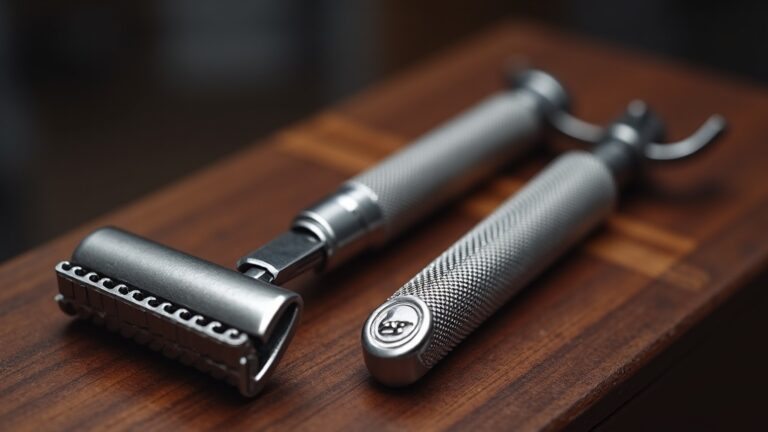
Then there is razor pairing. The same blade can feel average in one razor and very sharp in another. A more efficient safety razor with greater blade exposure or a more direct shaving angle will let you feel more of the blade. That does not magically make the blade sharper under a microscope, but it absolutely changes your experience at the sink.
I learned this the hard way restoring a pre-war open comb years ago. I assumed a certain blade brand had become too aggressive for my face. The truth was that the razor?s cap was slightly out of spec from a bad past repair, and it was presenting the blade in a harsher position. Once I corrected the fit, the same blade felt crisp instead of punishing. That is one workshop lesson I never forgot: many ?sharp blade? complaints are really razor geometry problems in disguise.
Initial Sharpness vs. Smoothness: They Are Not the Same Thing
Shavers often use sharp and smooth as if they mean the same thing. They do not. Sharpness is the blade?s ability to cut efficiently. Smoothness is how controlled and low-drag that cutting feels on your skin. A blade can be very sharp and still feel rough. Another can be slightly less sharp but feel buttery smooth because the coating and edge finishing reduce chatter.
That is why some famously sharp blades impress people instantly, while others win loyalty over several shaves. The first group can mow down dense growth on day one. The second group may feel calmer, steadier, and less irritating over time. If you chase only the sensation of first-pass sharpness, you can end up buying blades that give you a dramatic first shave and a mediocre overall result.
My own rule after testing hundreds of razors is simple: if a blade feels sharp but leaves mystery irritation, I do not call it a good blade. I call it incomplete information. The better question is whether that edge stays composed while the razor tracks over jawline, neck grain, and trouble spots.
Why Coatings Change the First Shave So Much
Blade coatings are one of the least understood reasons some blades feel sharper initially. A fresh coating reduces friction between blade, lather, and skin. That lower drag often gets interpreted as ?more sharpness,? and in practice it does improve the first impression.
On the first shave, that coating is intact and doing its best work. By the second or third shave, the edge may still be keen, but the feel changes slightly as the surface treatment wears in. That is why some blades start with a crisp, glassy glide and then settle into a different character after one use. It does not always mean the edge dulled dramatically. Sometimes the blade simply lost that extra slick feeling that made it seem exceptionally sharp.
This is also why I do not like heavy-handed blade wiping. New shavers sometimes drag a towel or tissue along the edge after the shave. That is an easy way to damage the edge or strip away the very surface quality that made the blade perform well. Rinse it carefully, shake it dry, and let it rest. If you want a safer way to keep gear clean around the blade station, a bottle of Barbicide Concentrate is useful for combs, blade banks, and non-porous tools, but I do not soak vintage plated razors in strong solutions longer than necessary.
How Razor Design Changes Blade Feel
A blade never shaves alone. The razor clamps it, bends it, exposes it, and sets the angle at which it meets your beard. That means ?Why do some blades feel sharper initially?? is partly a blade question and partly a razor question.
| Factor | What It Changes | How It Affects Initial Feel |
|---|---|---|
| Blade exposure | How much edge reaches the skin | More exposure usually feels sharper and more immediate |
| Blade gap | Space between edge and guard | Larger gap can increase efficiency, especially on coarse growth |
| Blade clamping | How firmly the blade is held | Tighter clamping reduces chatter and can make sharp blades feel smoother |
| Cap geometry | The angle the blade meets the beard | A favorable angle can make an average blade feel excellent |
| Razor condition | Wear, bent parts, alignment | Poor alignment can make any blade feel rough or deceptively aggressive |
Vintage razors make this especially important. I have seen doors that do not close evenly, baseplates with a slight twist, and caps that somebody polished too aggressively decades ago. That last one matters more than people think. Over-polishing can soften corners, thin plating, and subtly alter how the blade seats. When that happens, a blade that should feel smooth can feel jagged or overexposed.
If you restore or maintain old razors, protect the finish before you chase cosmetics. I would rather keep honest brassing and correct blade alignment than create a mirror shine that costs the razor its proper fit. For gentle cleaning, I prefer a soft brush, mild dish soap, and careful hand work. If you need a dedicated tool, a simple ultra-soft detail cleaning brush set is more useful than any harsh polishing wheel for routine maintenance.
Prep, Beard Type, and Technique Can Fake Sharpness
Not every sharp-feeling blade is actually sharper. Sometimes your prep makes the blade seem better than it is. Well-hydrated whiskers cut easier. Good slick lather reduces resistance. A light touch keeps the edge from digging. When all of that is right, the blade feels keener because the whole system is working correctly.
The opposite is also true. Dry stubble, airy lather, or a rushed angle can make a fine blade feel dull. That leads many shavers to blame the blade when the real issue is prep or technique. I say this as someone who learned on a hand-me-down razor from my grandfather and spent years mistaking impatience for poor equipment. Once I slowed down and let water do its work, ?dull blades? mysteriously got a lot better.
Beard type also changes perception. Coarse, wiry growth rewards a very keen edge. Fine hair may not need the sharpest blade at all, and overly keen blades can feel jumpy on sensitive skin. One of my judgment calls after all these years is that men with light-to-medium beard density often overshoot. They buy the most aggressive blade available, then wonder why the shave feels too lively. A steadier blade in a well-clamped razor usually serves them better.
What Actually Damages a Blade or Razor Before the Next Shave
If a blade felt very sharp at first and noticeably worse the next time, you may be looking at damage, contamination, or poor storage rather than normal wear alone. Here is what causes trouble most often:
- Towel wiping the edge: This can roll or abrade a very fine edge.
- Leaving soap residue on the blade: Dried residue adds drag and can hold moisture against the metal.
- Storing the razor wet in a closed cabinet: Humidity encourages oxidation, especially on carbon steel blades.
- Over-sanitizing vintage razors: Strong chemicals or long soaks can damage plating, lacquer, and handle materials.
- Aggressive polishing: Buffing compounds and powered tools can remove protective finish and alter fit surfaces.
For routine post-shave care, I favor warm rinse, careful shake-out, and occasional disassembly if the razor design allows it. If you want to reduce moisture during storage, a basic pack of reusable silica gel packets can help in a razor drawer or cabinet. For sanitation on non-porous accessories, 70% isopropyl alcohol is practical, but I still avoid repeated soaking of plated vintage pieces unless there is a real contamination reason. Sanitation matters. Preserving old finishes matters too. Good care is often about choosing the least aggressive method that actually solves the problem.
Another workshop lesson: what ruins old razors is usually not age. It is zeal. I see more damage from over-cleaning, over-polishing, and over-tightening than from honest use. If you want your blade to keep feeling right, start by keeping the razor itself true and undisturbed.
How to Tell Whether a Blade Is Truly Sharp for You
The only useful sharpness test is a controlled shave comparison. Do not judge from one dramatic first stroke on the cheek. Judge from the full shave, and do it in the same razor with the same prep.
- Use one familiar razor for all comparisons.
- Prep the same way each time: wash, hydrate, and build the same lather consistency.
- Shave similar growth, ideally after the same number of days.
- Track first-pass cutting, comfort on the neck, and how much cleanup you need.
- Note how the blade behaves on shave two and shave three.
This matters because the ?sharpest? blade is not always the best blade. The best blade for you is the one that cuts your beard efficiently, stays smooth enough to protect your skin, and behaves predictably in your razor. If you want a disciplined way to store used blades safely while testing several brands, a simple blade bank for double edge blades is a worthwhile small purchase.
My Practical Take After Years of Shaving and Restoring Razors
Some blades feel sharper initially because they really are keener at the edge. Some feel sharper because the coating is slick, the razor exposes them well, and your prep lets them sing. Some feel sharper only because they are rougher and more noticeable. You have to separate sensation from performance.
If I were helping a new wet shaver at the bench, I would tell him this: do not obsess over first-pass drama. Use a properly aligned razor. Protect the finish on old gear. Keep sanitation sensible, not reckless. Test blades over several shaves, not one. And never assume a harsh shave proves a blade is powerful. In my experience, the finest setups feel efficient without demanding attention every second.
That old lesson from my grandfather?s razor still holds up. Good tools do not need theatrics. When a blade is truly right for your face and razor, it feels sharp at the start, steady through the middle, and honest at the end.
Frequently Asked Questions
Why does a brand-new blade feel better on the first shave than the second?
Usually because the factory edge coating gives the first shave extra glide. After one use, the coating effect may soften even if the blade is still reasonably sharp. Poor drying or soap residue can also make shave two feel worse than it should.
Does a more aggressive razor make every blade sharper?
No. It makes the blade feel more direct by changing exposure and angle. That can improve efficiency, but it can also make a mediocre blade feel rougher. Good clamping and alignment matter as much as aggressiveness.
Can cleaning products ruin a vintage razor?
Yes. Long chemical soaks, abrasive polishes, and power buffing can damage plating, dull stampings, and alter blade seating surfaces. Mild soap, soft brushes, and short targeted sanitation are safer for most old razors.
Should I wipe my razor blade after shaving?
I would not wipe along the edge. Rinse it, shake it dry, and store it somewhere that does not stay damp. Mechanical wiping does more harm than most people realize.
How many shaves should I give a blade before judging it?
At least two or three, unless the first shave is clearly unusable. Some blades settle in after the first outing, and a blade that feels merely decent on shave one can become excellent over the next couple of shaves.
About the Author
Thomas Hargrove is a lifelong wet shaver who has spent 23 years testing razors, restoring vintage pieces, and comparing blade behavior across more than 300 safety razors, injector razors, and single-edge designs. He got started with his grandfather?s razor and still believes good shaving comes down to sound technique, honest tools, and respect for old craftsmanship over flashy promises.