
The quick take
Verdict, audience & limits
Are Sharper Blades Always Better for Thick Beards?
I have spent more than two decades shaving with, cleaning, and restoring safety razors, and the short answer is no: […]
Who this is for
Readers deciding whether this shaving topic, method, or product category fits their routine and preferences.
What this cannot promise
A universal result, irritation-free shave, medical outcome, or firsthand product test unless that specific use is explicitly documented.
Specifications & source boundary
Model dimensions, materials, blade compatibility, and loading instructions should be checked against the maker’s documentation for the exact product and version. Manufacturer specifications are not independent measurements, and a photograph is not evidence of a product test.
How to read the evidence
Applies only where a specific razor, blade, or product and its conditions are explicitly identified.
Maker-supplied details should be checked against the exact model, market, and version.
A cautiously summarized pattern across identified sources, with disagreement acknowledged.
Background or explanatory framing, not a testing credential or objective measurement.
A subjective choice about feel, cost, convenience, or ritual—not a universal recommendation.
Technique variables
Change one thing. Pay attention.
Lather & preparation
Soften the beard with water, build a comfortably slick lather, and reapply before another pass.
Angle & pressure
Use light pressure and a shallow, familiar angle appropriate to the razor. Do not press harder to compensate for tugging.
Direction & passes
Begin with the grain, use fewer deliberate passes, and let comfort matter more than chasing perfect closeness.
Blade handling
Follow loading instructions, hold only unsharpened sides, and keep cutting edges away from fingers.
Use light pressure, fewer deliberate passes, and stop for pain or persistent irritation. Keep unused blades dry, secure, and away from children and pets. Place used blades in a closed puncture-resistant container and follow local disposal guidance. This is general grooming guidance, not medical advice.
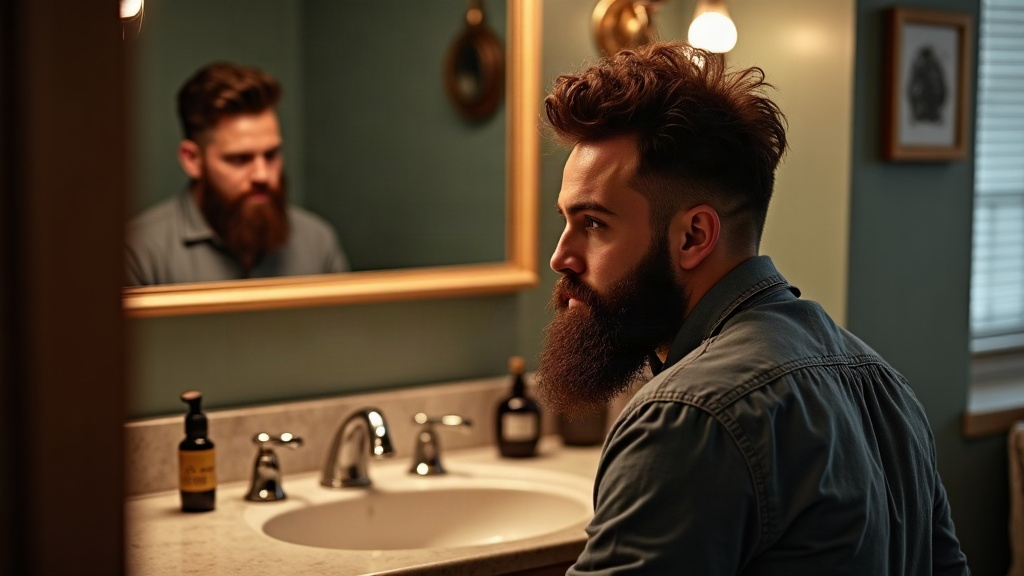
I have spent more than two decades shaving with, cleaning, and restoring safety razors, and the short answer is no: sharper blades are not always better for thick beards. If your whiskers are dense and wiry, a very sharp blade can help, but only when the razor, prep, angle, and pressure all work with it. In the wrong razor or in rushed hands, a super-sharp blade can feel harsh, skip over trouble spots, or leave you with more irritation than a slightly smoother blade that cuts more calmly.
Thick beard growth usually needs efficient cutting, not just maximum sharpness. That distinction matters. I learned it the hard way years ago after trying to force my way through a week’s growth with the sharpest blade I had on hand and a light old Gillette that already shaved on the lively side. The blade was keen, but the pairing was wrong. My cheeks looked fine. My neck looked like I had argued with a briar patch.
If you are searching for a straight answer to the question, are sharper blades always better for thick beards? No. They are often useful, sometimes ideal, and occasionally the wrong choice. The better goal is finding the blade that cuts your beard cleanly without turning every pass into a test of skin tolerance.
Why Thick Beards Change the Blade Equation
Men with thicker beards usually notice three things right away: the razor clogs faster, tugging shows up sooner, and small mistakes get punished more quickly. A blade that feels acceptable on average growth can feel dull and miserable on heavy stubble. That is why many wet shavers move toward sharper double edge blades in the first place.
Still, thickness alone does not decide the matter. Beard coarseness, skin sensitivity, shaving frequency, and razor design all matter just as much. A coarse beard with resilient skin can often tolerate a very sharp blade. A coarse beard paired with a sensitive neck may do better with a blade that is one step down in raw sharpness but steadier and smoother in use.
Over the years, I have tested blades in everything from mild post-war Super Speeds to more efficient modern three-piece razors, and I keep coming back to the same lesson: thick whiskers demand respect, not aggression. When men complain that a blade is “not sharp enough,” they are sometimes describing poor prep, a bad razor match, or too much pressure. A blade can only do so much if the beard has not been softened and the razor is being steered at the wrong angle.
Sharpness Helps, but Smoothness Often Wins the Whole Shave
There is a reason double edge razor blades comparison discussions never end. Wet shavers talk about sharpness as if it were the whole story, but in real use it is only one trait. The better blade for a thick beard is often the one that balances sharpness, coating, consistency, and feel.
Some blades feel laser-keen on the first pass but punish you on the second and third. Others feel slightly less eager yet mow through dense growth with less drama. For men with thick beards, that difference matters because heavy growth usually calls for multiple passes or at least some cleanup work. A blade that starts sharp but becomes rough under repeated contact is not really serving you.
One of my standing workshop rules when evaluating old razors is this: never judge a blade by the first inch of the first pass. Thick beard shaves tell the truth later, especially around the jawline, chin, and lower neck. That is where a blade shows whether it is merely sharp or actually usable.
When a Sharper Blade Is the Right Choice
There are times when a sharper blade is exactly what a thick beard needs. If your current blade tugs, forces you into repeated buffing, or leaves rough patches after a careful shave, stepping up in sharpness makes sense. A keen blade can reduce the number of strokes required to cut through dense growth, and fewer strokes often means less irritation overall.
Sharper blades also make more sense when:
- You shave every two or three days and deal with heavier stubble each time.
- Your razor is on the mild side and needs a more efficient blade to wake it up.
- Your beard is coarse enough that medium blades feel like they are skimming and pulling rather than slicing.
- Your prep is already good and you still get drag.
In a mild-to-medium razor, a sharp blade can be the missing piece. This is especially true for men who like vintage razors with forgiving geometry. I have restored plenty of old Gillettes that shaved beautifully with a sharper blade but felt sleepy with a middle-of-the-road option. The razor was not flawed. It just needed a blade that could cut decisively.
When Maximum Sharpness Backfires
The trouble starts when shavers treat “sharpest” as if it automatically means “best.” It does not. Very sharp blades can backfire when the razor is already efficient, when your skin is easily inflamed, or when your technique gets careless under the false comfort of a close first pass.
Here is where I see the mismatch most often:
- An aggressive or blade-forward razor paired with the keenest blade available.
- Daily shaving on a sensitive neck that never fully calms down.
- Too much pressure used to chase a glass-smooth result.
- Poor prep on wiry whiskers, which makes the blade work harder and feel harsher.
I also learned long ago that some thick-beard shavers confuse closeness with comfort. They will accept a blazing close shave at breakfast and then wonder why their neck is raw by lunch. If that is your pattern, you do not need more blade. You need a better balance.
That same principle carries over to razor restoration and maintenance. Old finishes, plating, and delicate mechanical parts do not reward unnecessary force, and neither does your face. Good shaving, like good restoration, is controlled work. The best results usually come from the least damaging method that still gets the job done.
Blade Pairing Matters More Than Most Men Expect
The better way to think about blade choice is pairing, not ranking. There is no universal winner because razors present the blade differently. A blade that feels smooth in one head design can feel rough in another. For thick beards, that pairing question matters more than chasing internet lists of “sharpest blades.”
| Shaving Situation | What Usually Works Best | What to Watch For |
|---|---|---|
| Mild vintage razor with thick, coarse beard | Sharper blade to improve cutting efficiency | Do not add pressure just because the razor feels gentle |
| Efficient modern razor with thick beard and sensitive skin | Smooth-sharp blade rather than the absolute sharpest | Harshness on the neck by pass two or three |
| Daily shaving with dense growth | Consistent blade that stays smooth for several shaves | Chasing perfect closeness every day |
| Two- or three-day stubble | Sharper blade plus thorough prep | Skipping prep and blaming the blade |
| Beginner with thick beard | Moderately sharp blade in a forgiving razor | Starting with an ultra-sharp blade before technique is settled |
If you are still sorting out your setup, a sensible approach is to test blades in small batches and hold everything else steady: same razor, same soap, same prep, same number of passes. That is the only way to learn what the blade is really doing.
What Actually Improves Thick Beard Shaves More Than Blade Sharpness
Most poor thick-beard shaves are not caused by the blade alone. They are caused by a chain of small mistakes. Fix those first, and blade choice becomes much easier.
1. Better beard preparation
Dense whiskers respond well to heat, water, and time. A rushed splash of lukewarm water is not enough. Wash the beard, let warm water sit on it, and build a lather with enough slickness to keep the edge moving cleanly. If your lather is inconsistent, a dependable bowl such as the stainless steel shaving bowl category is useful, especially if you face-lather poorly or want to control hydration more precisely.
2. Proper angle and reduced pressure
Thick beards tempt men into pushing harder. That is nearly always a mistake. Let the edge work. If a sharp blade still feels rough, pressure is often the real culprit. I have seen men blame blades that were perfectly serviceable when the real issue was that they were shaving as if they were scraping paint.
3. Fewer cleanup strokes
Repeated buffing on the chin and neck causes more trouble than most men realize. A sharper blade can reduce that, but only if you stop once the shave is good. “Good enough” is a mature skill in wet shaving.
4. A cleaner, better-maintained razor
Soap scum, old oil, mineral deposits, and corrosion in the head can affect alignment and feel. On adjustable or twist-to-open razors, neglected buildup can also interfere with smooth operation. For routine maintenance, a soft soft-bristle cleaning brush and plain dish soap handle far more than people think.
Cleaning and Sanitizing Old Razors Without Damaging Them
This subject matters because men with thick beards often experiment with vintage razors, and vintage hardware needs proper care. I have restored enough old pieces to say this plainly: over-cleaning ruins more razors than honest use does. A razor can survive a century of shaves and still be damaged by one afternoon of bad restoration habits.
The biggest mistakes are harsh abrasives, long chemical soaks, and confusion between cleaning and sterilizing. If a razor is headed for personal use, you want it clean, sanitary, and mechanically sound. You do not want to strip plating, haze nickel, lift gold wash, or pit brass underneath.
Safe routine cleaning
- Wash with warm water, mild dish soap, and a soft brush.
- Use wooden toothpicks or cotton swabs for tight corners instead of metal picks.
- Dry thoroughly, especially inside twist-to-open mechanisms and under baseplates.
- Apply a tiny amount of mineral oil to moving parts when needed.
If you need a simple lubricant for an old mechanism, the food-grade mineral oil category works well for light maintenance. Use very little. Flooding an old razor with oil only attracts grime.
Sanitation tradeoffs
Many beginners reach for the strongest disinfectant they can find, but sanitation always involves tradeoffs. Products like Barbicide have their place for combs and salon tools, yet prolonged or careless use on old plated razors can be harder on finishes than people expect. If you use a disinfecting concentrate, follow the dilution instructions exactly and keep contact time controlled. Category-level options such as Barbicide disinfectant concentrate are common, but more is not better.
My own rule with vintage safety razors is simple: clean first, disinfect appropriately, rinse thoroughly, and stop before the finish pays the price. I would rather preserve an original nickel plate with cautious sanitation than chase some imaginary laboratory sheen and expose brass in the process.
What actually damages old razors
- Boiling water on soldered or delicate assemblies.
- Abrasive metal polishes used too aggressively.
- Soaking plated parts for too long in strong solutions.
- Scraping corrosion with steel tools.
- Leaving moisture trapped inside moving mechanisms.
That may sound like a detour from blade selection, but it is not. A razor with poor alignment, sticky doors, or damaged finish rarely shaves at its best. Men sometimes buy sharper blades to compensate for a razor that simply needs proper cleaning and inspection.
How I Recommend Testing Blades for a Thick Beard
If you want a practical system, do this instead of buying a random mountain of blades. Start with three categories: one known-sharp blade, one smooth-sharp blade, and one middle-ground blade. Then test each for three shaves in the same razor.
- Use the same prep every time.
- Shave the same beard length each test day if possible.
- Note first-pass tugging, closeness after two passes, and neck comfort two hours later.
- Replace any blade that clearly degrades after one or two shaves.
- Choose the blade that gives the best overall result, not the most dramatic first pass.
For broad testing, a tagged category link like double edge razor blade sampler makes sense because exact sampler contents change often. That is a better use of money than buying a hundred blades of one type before you know how they pair with your razor.
Another lesson from the bench: the best blade for a thick beard is the one you can repeat good results with when you are half awake on a weekday morning. If a blade only performs when every variable is perfect, it is not really a dependable choice.
FAQ
Should men with thick beards always use the sharpest double edge blade they can find?
No. Thick beards often benefit from sharper blades, but the sharpest option is not always the most comfortable or effective over a full shave. Razor pairing, prep, and skin sensitivity matter just as much.
Do thick beards dull blades faster?
Usually, yes. Dense and coarse whiskers put more work on the edge, so some men with thick beards notice blade performance fading sooner. That is why consistency across several shaves matters more than a flashy first shave.
Is a more aggressive razor better than a sharper blade for thick whiskers?
Not automatically. Sometimes a mild razor with a sharper blade gives a better result than an aggressive razor with a milder blade. Change one variable at a time so you know what is helping and what is hurting.
Can disinfecting an old razor damage it?
Yes, if done carelessly. Strong solutions, poor dilution, long soaking times, and abrasive scrubbing can harm plating and moving parts. Clean gently, disinfect with restraint, rinse well, and dry thoroughly.
My Bottom Line
For thick beards, sharper blades are often useful, but they are not automatically better. The winning setup is the one that cuts coarse growth cleanly, keeps your skin calm, and works predictably in your razor. In my experience, that usually means aiming for the best balance of sharpness and smoothness rather than chasing the most extreme edge on the market.
If your current blade tugs, test something sharper. If your skin is paying for that extra keenness, step back and look at the whole system: prep, razor, pressure, angle, and razor condition. Thick whiskers do not demand brute force. They demand good tools, clean tools, and disciplined technique.
Tradeoffs, uncertainty & affiliate disclosure
A closer shave can require more passes and may reduce comfort. Product feel varies with razor, blade, lather, angle, pressure, beard growth, and personal preference. ClassicBlade does not imply that every mentioned item was purchased, used, measured, or independently tested.
Some links may be affiliate links. ClassicBlade may earn a commission at no added cost to you; commercial links do not stand in for evidence.
Leave a Comment