
The quick take
Verdict, audience & limits
World’s Best Safety Razor
I have learned the hard way that razor burn usually comes from bad pressure, bad prep, or the wrong blade […]
Who this is for
Readers deciding whether this shaving topic, method, or product category fits their routine and preferences.
What this cannot promise
A universal result, irritation-free shave, medical outcome, or firsthand product test unless that specific use is explicitly documented.
Specifications & source boundary
Model dimensions, materials, blade compatibility, and loading instructions should be checked against the maker’s documentation for the exact product and version. Manufacturer specifications are not independent measurements, and a photograph is not evidence of a product test.
How to read the evidence
Applies only where a specific razor, blade, or product and its conditions are explicitly identified.
Maker-supplied details should be checked against the exact model, market, and version.
A cautiously summarized pattern across identified sources, with disagreement acknowledged.
Background or explanatory framing, not a testing credential or objective measurement.
A subjective choice about feel, cost, convenience, or ritual—not a universal recommendation.
Technique variables
Change one thing. Pay attention.
Lather & preparation
Soften the beard with water, build a comfortably slick lather, and reapply before another pass.
Angle & pressure
Use light pressure and a shallow, familiar angle appropriate to the razor. Do not press harder to compensate for tugging.
Direction & passes
Begin with the grain, use fewer deliberate passes, and let comfort matter more than chasing perfect closeness.
Blade handling
Follow loading instructions, hold only unsharpened sides, and keep cutting edges away from fingers.
Use light pressure, fewer deliberate passes, and stop for pain or persistent irritation. Keep unused blades dry, secure, and away from children and pets. Place used blades in a closed puncture-resistant container and follow local disposal guidance. This is general grooming guidance, not medical advice.
I have learned the hard way that razor burn usually comes from bad pressure, bad prep, or the wrong blade match far more than some mystical flaw in the razor itself. The phrase “world’s best safety razor” sounds simple, but the real answer depends on your skin, beard type, shaving technique, and budget. A razor that feels smooth and forgiving for one person can feel too mild, too aggressive, or too heavy for someone else. The best safety razor is not the one with the loudest reputation. It is the one that gives you a close, comfortable shave consistently, without irritation.
That is why experienced wet shavers often stop chasing hype and start evaluating razors by a few practical traits: balance, blade exposure, handle grip, build quality, and how easy the razor is to use day after day. Once you understand those traits, it becomes much easier to find the right tool.
What Makes a Safety Razor “the Best”?
A great safety razor does three things well. First, it holds the blade securely and evenly so the shave feels predictable from one pass to the next. Second, it gives enough cutting efficiency to reduce stubble cleanly without forcing you to press harder. Third, it fits naturally in your hand, encouraging light pressure and better control.
For many shavers, comfort matters more than raw closeness. An ultra-efficient razor may remove heavy growth quickly, but if it leaves your face irritated, it is not the best razor for daily use. Likewise, a very mild razor may be pleasant but require too many passes. The strongest candidates for “best in the world” usually strike a middle ground: efficient, smooth, durable, and easy to master.
The Main Types of Safety Razors
Closed-comb razors are the most common recommendation for beginners and everyday shavers. They usually offer a smoother, less intimidating feel and are well suited for frequent shaving.
Open-comb razors have a more exposed tooth-like guard design that can handle thicker growth and several days of stubble more effectively. Many experienced users like them for beard reduction, though some find them less forgiving.
Adjustable razors let you change the blade gap or aggression level. This flexibility can be excellent if your preferences are still evolving or if you want a milder setting for daily shaves and a more efficient setting for longer growth.
Three-piece razors are simple, durable, and easy to clean. Butterfly or twist-to-open razors offer faster blade changes and a more classic feel. Neither format is automatically better; it comes down to whether you value simplicity or convenience.
What to Look for Before You Buy
Shaving comfort: If you have sensitive skin, lean toward a mild to medium razor with a reputation for smoothness. Technique still matters, but forgiving geometry helps.
Beard density: Coarse, fast-growing facial hair often benefits from a medium or efficient razor. Mild razors can work, but they may require more buffing and extra passes.
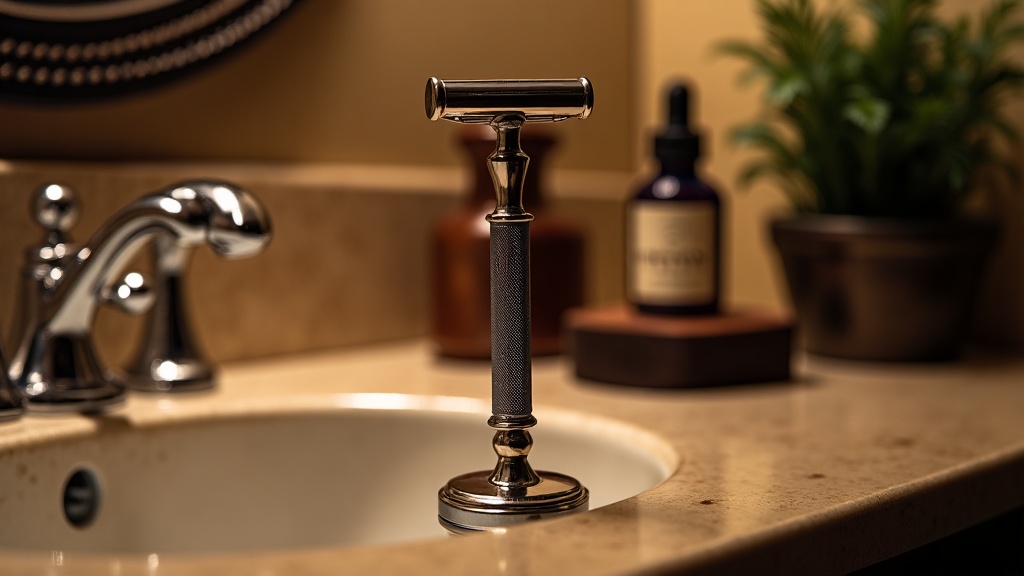
Handle design: Knurling, length, and weight affect control more than many people expect. Slippery handles or awkward balance can ruin an otherwise excellent razor.
Build quality: Stainless steel, brass, and well-made zinc alloy razors can all perform well, but premium materials generally offer better longevity and a more solid feel.
Blade pairing: A safety razor is only half the system. The same razor can feel dramatically different with a sharper or smoother blade. Before judging a razor, test it with a few respected blade options.
Who Usually Wins the “Best Safety Razor” Debate?
In practice, the razors most often praised as best-in-class tend to share similar qualities: excellent machining, consistent blade alignment, balanced weight, and a shave character that feels efficient without being harsh. Well-regarded mild-to-medium razors often come out on top because they serve the widest range of users. They are easier to recommend confidently and easier to live with long term.
That said, the “best” razor for a beginner is rarely the same as the best razor for a veteran wet shaver who enjoys a highly efficient setup. Beginners usually do better with stability and forgiveness. Advanced users may prefer razors with more blade feel and faster reduction.
Best Safety Razor by Shaver Type
For beginners: Look for a mild closed-comb razor with a secure grip and predictable blade feel. It should teach good technique, not punish small mistakes.
For sensitive skin: Prioritize smoothness, moderate efficiency, and a blade pairing known for comfort. Avoid chasing maximum closeness on the first pass.
For coarse beards: A medium-to-efficient razor often works better, especially when paired with a sharp blade and proper prep.
For daily shaving: The ideal razor is usually one that feels calm and repeatable rather than aggressive. Consistency matters more than dramatic results.
For occasional shaving: If you often shave after several days of growth, consider an open-comb or adjustable razor that handles heavier stubble more easily.
Technique Matters More Than Most People Think
Many poor shaves get blamed on the razor when the real issue is pressure, angle, or preparation. A safety razor works best when you let the blade do the cutting. Use a shallow angle, short strokes, and minimal pressure. Build a slick lather, soften the beard with warm water, and resist the urge to force closeness in one pass.
This is also why the “best safety razor in the world” cannot be judged in isolation. A strong razor with poor technique will feel worse than an average razor used correctly. Skill narrows the gap between good razors and reveals which ones are truly exceptional.
Is an Expensive Razor Always Better?
No. Premium razors often offer better materials, finer finishing, and tighter manufacturing tolerances, but price alone does not guarantee a better shave. Many affordable razors perform extremely well and remain favorites even among enthusiasts with large collections.
What you often pay for at the higher end is consistency, durability, and refinement. Those qualities matter, especially if shaving is a daily ritual for you, but they do not automatically make a razor the best choice for every face.
Final Verdict
The world’s best safety razor is the one that gives you a close, comfortable, reliable shave with minimal irritation. For most people, that means a well-made mild-to-medium razor with solid grip, balanced weight, and dependable blade alignment. Rather than chasing a universal winner, focus on finding the razor that matches your beard, skin, and routine.
If you are buying your first serious safety razor, choose one known for smoothness and control, pair it with a few quality blades, and give your technique time to improve. In wet shaving, the best results come from the right combination of tool, blade, and habit, not from marketing claims alone.
If you are trying to calm down irritation without buying junk, I would start by comparing double edge safety razors and adjustable safety razors because those are the kinds of practical fixes that usually matter more than chasing a new razor every time your skin gets angry.
Where I Would Start Shopping
For roundup-style posts, I think it is smarter to compare several razor lanes instead of pretending one head shape fits everybody. I would look at double edge safety razors, adjustable safety razors, mild safety razors, and aggressive safety razors so the reader sees several credible paths instead of one forced winner.
What Usually Causes Razor Burn in Real Life
Most razor burn problems are boring, which is exactly why they keep happening. People press too hard, keep shaving after the lather has broken down, or assume a more aggressive pass will somehow clean up the irritation created by the last pass. In my experience, that almost always makes the skin angrier.
I also think a lot of shavers blame the wrong thing. They blame the razor when the real problem is blade choice, rushed prep, or poor angle control. A mild razor with bad pressure can still tear you up. A sharper blade used lightly can sometimes be kinder than a duller blade that drags.
My Practical Fix Order
If I were troubleshooting this at the sink, I would fix pressure first, then blade pairing, then pass count, then post-shave products. That order matters because most people try to solve irritation by buying another balm while still shaving with the same sloppy technique that caused the problem in the first place.
That does not mean products are useless. It means they work best once the underlying shave mechanics stop punishing your skin every morning.
What I Tell New Safety Razor Shavers
The goal is not to scrape your face smooth in one heroic pass. The goal is to reduce beard gradually while keeping the skin calm enough that you can shave again tomorrow. Once you understand that, razor burn becomes much easier to prevent because you stop treating the shave like a race.
Quick Comparison Points I Would Actually Use
- How forgiving the razor feels if your angle is inconsistent.
- Whether the handle gives you control instead of encouraging pressure.
- How easily the head clears lather and stubble during the pass.
- Whether the razor stays comfortable for daily use instead of only feeling impressive on one close shave.
That is the checklist I trust more than sweeping claims about one razor being the best for everyone.
Tradeoffs, uncertainty & affiliate disclosure
A closer shave can require more passes and may reduce comfort. Product feel varies with razor, blade, lather, angle, pressure, beard growth, and personal preference. ClassicBlade does not imply that every mentioned item was purchased, used, measured, or independently tested.
Some links may be affiliate links. ClassicBlade may earn a commission at no added cost to you; commercial links do not stand in for evidence.



Leave a Comment