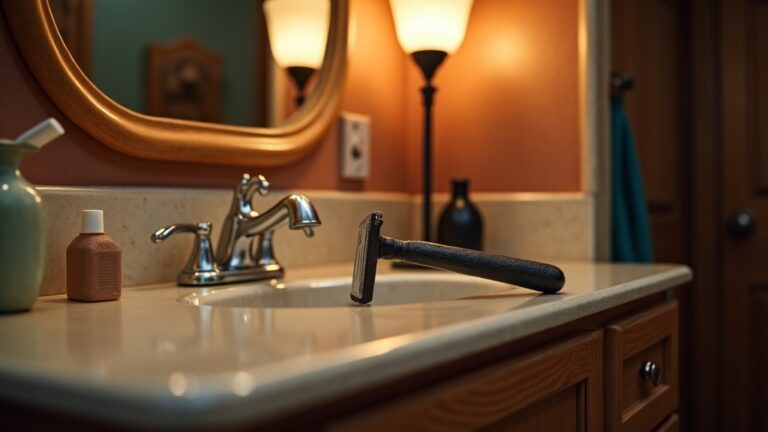

Are Carbon Steel Razor Blades Better Than Stainless Steel Blades?
I have shaved with both, honed old carbon blades for display, cleaned rust out of vintage blade banks, and restored enough old safety razors to tell you the short answer without dancing around it: carbon steel razor blades are not broadly better than stainless steel blades for most modern shavers. They can feel a touch keener and smoother in the first shave, but stainless steel usually wins in consistency, rust resistance, sanitation, and real-world convenience. If you shave often, travel, or leave a blade in the razor between shaves, stainless is the safer and more practical choice.
That said, carbon steel still has a place. If you are the kind of wet shaver who dries gear carefully, changes blades on schedule, and enjoys old-school steel for its own sake, a good carbon blade can deliver a lovely first shave. I understand the appeal. My grandfather?s razor was the first one I restored, and that whole job taught me something I have relearned for 23 years: old shaving tools reward discipline, but they punish neglect fast.
Fast answer: which one should you buy?
If you want the cleanest recommendation, buy stainless steel blades first. They tolerate bathroom humidity better, stay usable longer for most people, and are easier to manage safely. Carbon steel blades are more of a specialty choice. They are not magic, and they are certainly not automatically ?sharper? in a way every face will notice.
My honest judgment after hundreds of razors and more blade pairings than I care to count is simple: stainless steel is better for most shavers, while carbon steel is better only for the shaver who specifically prefers its feel and is willing to maintain it properly.
What carbon steel and stainless steel actually do differently
The basic tradeoff is edge feel versus corrosion resistance. Carbon steel can take an impressively keen edge and often feels very direct on the first pass. Stainless steel gives up a little of that old-school romance, but it resists moisture far better and keeps its edge behavior more stable in normal bathroom conditions.
That matters because razor blades live in a rough environment. Heat, moisture, soap residue, skin oils, and hard-water minerals all work against the edge. When men talk about a blade ?going dull,? what they often mean is not pure wear alone. It can also be micro-corrosion, residue on the edge, or damage from leaving the blade wet in a razor overnight.
One workshop lesson I learned the hard way: I once opened a vintage three-piece razor that had been stored with an old carbon blade still clamped inside. The blade had rusted, swollen, and stained the cap and baseplate. The razor was salvageable, but the finish was not fully recoverable. That was not the razor?s fault. It was a moisture problem, and carbon steel is much less forgiving there.
Carbon steel vs stainless steel blades at a glance
| Factor | Carbon Steel Blades | Stainless Steel Blades |
|---|---|---|
| Initial edge feel | Often feels very crisp and keen on the first shave | Usually smooth and consistent, sometimes slightly less ?lively? |
| Rust resistance | Poor to fair if left damp | Good to excellent in normal use |
| Blade life | Can drop off quickly if moisture lingers | Usually longer and more predictable |
| Maintenance demands | High; drying matters | Moderate; still benefits from good habits |
| Best for | Experienced hobbyists who enjoy old-school gear | Most daily and every-other-day shavers |
| Risk to vintage razors | Higher if forgotten in the razor | Lower, though residue can still cause problems |
Why some wet shavers still prefer carbon steel
Carbon steel blades have a reputation for a certain sweetness on the face. Some users describe them as sharper. Others call them smoother. I would put it this way: on the right razor, with the right beard, they can feel immediate and very clean through the first shave or two. There is a tactile quality to them that some traditionalists love.
I do not dismiss that. I have had excellent shaves from carbon blades in milder vintage razors where the blade feel stayed controlled. In a well-aligned razor with good prep, they can mow through stubble with very little protest. That is the best case.
But here is my second judgment call: too many shavers mistake novelty for superiority. A blade that feels extra crisp on one morning is not automatically the better blade across a month of routine use. When I test blades, I care about the second, third, and fourth shave almost more than the first. Stainless usually earns its keep there.
Why stainless steel wins in daily use
Stainless blades dominate the modern market for good reason. They are less vulnerable to rust, easier to store, and much more forgiving if you are not obsessive about drying every component. For most men, that translates into better value and less irritation caused by a compromised edge.
They also make more sense if you rotate razors. Many enthusiasts leave a razor loaded for several days, then pick up a different one. That habit is much safer with stainless than carbon. I still recommend loosening the head, rinsing thoroughly, and letting parts dry, but stainless gives you more margin for error.
Another practical point: if you live in a humid climate or your bathroom stays damp, stainless is the responsible choice. Bathroom air alone can shorten the useful life of carbon steel. That is not marketing. That is metallurgy and experience.
What actually damages old razors: the blade material or bad care?
Most of the time, bad care does more harm than the blade material itself. I have restored plated Gillette, Schick, and GEM razors with damage caused by trapped soap scum, mineral deposits, neglected blades, and aggressive cleaning methods. The common thread is not that a razor used carbon steel. It is that someone left moisture and residue in contact with metal for too long.
If you are using a vintage razor, your bigger concern should be protecting the finish. Gold wash, nickel plating, silver plate, and old lacquered surfaces do not respond well to harsh treatment. Scrubbing with abrasive pads, soaking in strong chemicals, or attacking rust with the wrong tool can do more cosmetic damage in ten minutes than decades of normal shaving.
Third judgment call: the worst thing many beginners do is ?over-clean? an old razor in the name of sanitation. You do not need to polish every old razor to a mirror or soak it in something aggressive enough to strip the finish. Clean first, sanitize sensibly second, and preserve the metal you cannot replace.
Cleaning and sanitation: smart habits for either blade type
If you are comparing double edge razor blades, remember that blade care and razor care are separate jobs. The blade is disposable. The razor is the tool you preserve. After shaving, rinse the razor thoroughly in warm water, loosen the head if your design allows it, and let air circulate. For carbon steel blades, that drying step matters even more.
If you want a dedicated brush for cleaning threads, guard bars, and baseplates, a soft toothbrush works, but a purpose-made detailing brush can be nicer in the hand. A simple option is an ultra soft detailing brush set. The goal is not force. The goal is getting soap residue out of corners without scratching plating.
For routine washing, mild dish soap is enough. If mineral deposits are stubborn, a short soak in warm water with dish soap usually beats brute force. On razors with visible soap scum in knurling or under the cap, wooden toothpicks are safer than metal picks.
For sanitation after buying a used razor, I prefer a conservative approach. Wash first, then use a barber-grade disinfectant according to label directions. A commonly used option is Barbicide Concentrate. Do not confuse disinfection with restoration. Disinfectants handle microbes; they do not fix corrosion, plate loss, or scale.
If you want to reduce water spotting after cleaning, plain microfiber cloths help. I like a basic lint-free microfiber cloth set for drying razor parts gently. Pat dry. Do not buff old plating like you are detailing a fender.
How I decide between carbon and stainless for a given shave
I match the blade not only to the beard, but to the razor and the owner?s habits. If someone shaves every day, keeps one razor in constant rotation, and does not want to fuss with post-shave drying, I point them to stainless without hesitation.
If someone enjoys vintage gear, understands blade turnover, and will remove or dry the blade carefully, then trying carbon steel makes sense. In certain mild or medium vintage razors, especially those that already have a smooth, restrained character, a carbon blade can feel wonderfully alive.
Fourth judgment call: I almost never recommend carbon steel to a beginner. New wet shavers already have enough variables to manage: angle, pressure, prep, lather, and blade sampling. Adding a blade type that can corrode quickly if mishandled is not helpful. Learn technique on stainless first. Then experiment.
A practical checklist before you choose
- Choose stainless steel if you shave in a humid bathroom, travel often, or leave blades in the razor between shaves.
- Choose stainless steel if you want longer, steadier performance with less maintenance.
- Try carbon steel if you already know your razor well and want to explore a slightly more old-school edge feel.
- Try carbon steel only if you are willing to rinse, dry, and monitor the blade closely.
- Avoid carbon steel in a vintage razor you might forget loaded for weeks.
- Prioritize razor care over blade mythology. A clean, well-kept razor matters more than forum folklore.
My recommendation for most readers
If you came here wanting a plain answer, here it is again: stainless steel blades are the better all-around choice for most wet shavers. They are more practical, more forgiving, and less likely to create headaches in a good razor. Carbon steel blades can be excellent, but they are a niche preference, not an across-the-board upgrade.
That does not make carbon steel obsolete. It makes it specific. There are corners of traditional shaving where specific is enough. I appreciate that world. I just do not confuse romance with better engineering for everyday use.
If you are still building your blade drawer, browsing a few modern stainless options is the sensible move. A tagged search for stainless double edge razor blades is a better starting point than chasing rare carbon options before you know what your skin likes.
FAQ
Are carbon steel razor blades sharper than stainless steel blades?
Sometimes they feel sharper on the first shave, but not always in a way that makes them better overall. Blade coating, grind, and your razor matter just as much as the base steel.
Do carbon steel razor blades rust easily?
Yes, especially compared with stainless. If left wet in a razor, carbon blades can spot, corrode, and deteriorate quickly.
Are stainless steel blades better for vintage razors?
Usually, yes. They reduce the risk of rust-related neglect inside the razor, though you still need to rinse and dry the razor properly.
Can I sanitize a vintage razor without damaging the finish?
Yes, if you clean gently first and use a suitable disinfectant correctly. The bigger danger is abrasive scrubbing, harsh chemicals, and unnecessary polishing.
What matters more, the blade material or the shaving technique?
Technique matters more. Good angle, light pressure, proper prep, and a clean razor will do more for your shave than chasing steel types alone.