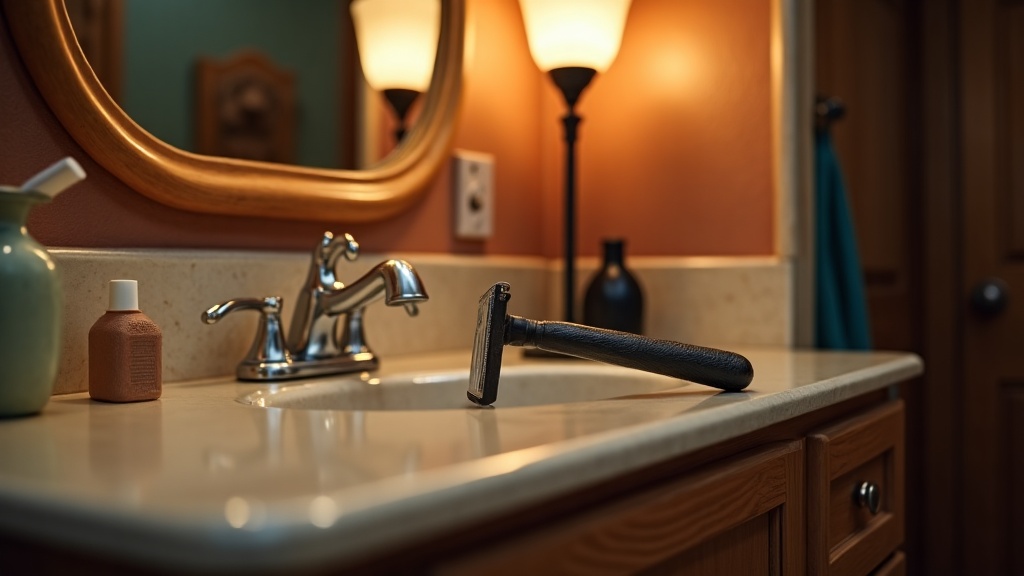
Can a Razor Blade Rust?
Yes, a razor blade can rust. I have pulled enough old blades and safety razors apart to tell you that steel does not care whether it came from a shave den or a machine shop. Give bare steel moisture, a little neglect, and time, and rust will start. The good news is that not every stain is true rust, not every razor part rusts at the same rate, and a few simple habits will prevent most of the damage people blame on age.
After 23 years of wet shaving and more restorations than I can count, I have learned that the blade is usually the cheapest thing in the setup and the easiest thing to replace. The razor itself is where people make expensive mistakes. If you remember one rule from this article, make it this: treat rust on a blade as disposable, and treat rust risk on the razor as preventable.
What Rusts and What Usually Does Not
When people ask, ?Can a razor blade rust??, they are usually talking about a modern double edge blade. Most DE blades are stainless steel, which helps resist rust, but stainless is not rust-proof. It is simply more resistant than plain carbon steel. Leave a stainless blade wet long enough, especially with soap scum and minerals clinging to it, and you can still get orange spotting, edge corrosion, or dullness that shows up in the next shave.
Old carbon steel blades rust faster and more dramatically. Those are the blades that taught earlier generations to dry carefully, strop when needed, and never leave gear soaking in a mug by the sink. If you collect vintage shaving gear, you may still come across old carbon blades in dispensers. They are interesting pieces of history, but I would not trust an old carbon blade for shaving unless I knew exactly how it had been stored.
The razor holding the blade is a different matter. Many vintage safety razors are brass under a nickel, chrome, silver, or gold finish. Brass itself does not rust, but the finish can pit, lift, or wear away. Some newer razors use zamak, which will not rust like steel but can corrode badly once plating is breached. Stainless steel razors are the toughest in this respect. Handles, screws, springs, and blade banks may include steel parts that can absolutely rust if neglected.
How Razor Blade Rust Starts in Real Life
Rust usually starts from a boring combination of water, trapped residue, and bad storage. Most people imagine a blade rusting because it got soaked. What I see more often is a blade that stayed damp. A wet blade with lather film on it is worse than a blade that was rinsed well and dried poorly. Soap residue holds moisture, hard water leaves mineral deposits, and both can attack the fine edge long before you notice obvious orange rust.
I learned this the hard way restoring my grandfather?s old shaving kit. The razor looked fine at first glance, but the blade gap hid years of dried lather and greenish residue under the head. The actual structural damage did not come from one dramatic event. It came from countless shaves followed by a quick rinse and a damp cabinet. That is how old tools get quietly ruined.
Here are the common conditions that speed up rust and corrosion:
- Leaving the blade in a closed razor without loosening or rinsing thoroughly
- Storing the razor in a humid bathroom with poor airflow
- Hard water deposits left on the edge and base plate
- Putting a wet razor into a travel case
- Soaking plated vintage razors too long in harsh cleaners
- Using bleach or aggressive disinfectants on metal parts
That last point matters. Sanitation is important, especially with estate-sale finds, but sanitation and preservation are not always the same job. I have seen more finish damage from overzealous ?deep cleaning? than from honest age.
Blade Rust vs. Razor Corrosion: Know the Difference
One reason this topic confuses shavers is that several different problems look similar in the sink. A tiny orange speck on a blade edge is not the same as plating wear on a cap, and neither one should be handled the same way.
| Problem | What It Looks Like | What It Means | What I Do |
|---|---|---|---|
| Blade rust | Orange or brown spots on the blade, especially near the edge | Corrosion has started on the blade steel | Discard the blade immediately |
| Soap and mineral buildup | Chalky white film, gray haze, or crust around the head | Residue is trapping moisture and dulling performance | Clean gently with warm water, dish soap, and a soft brush |
| Plating wear | Dull patches, brass showing through, uneven shine | Protective finish is thinning or gone | Stop abrasive polishing and focus on drying and preservation |
| Base metal corrosion | Pitting, bubbling, rough areas, flaking under plating | The razor itself is being damaged | Stabilize, clean carefully, and avoid harsh chemicals |
My rule is simple: if the blade shows any real rust, it is done. Blades are consumables. Do not try to ?save? a rusty blade for one more shave. The edge is too fine, the steel too cheap, and the risk of irritation too high to justify it.
Can You Still Use a Razor Blade If It Has Rust Spots?
No, not if you can see actual rust. Dispose of it and load a fresh blade.
I know some shavers hate waste and want to squeeze one extra shave out of everything. I respect thrift. I do not respect false economy at the edge of a blade. Rust means the steel surface has already broken down. Even if the spot is tiny, the edge may be compromised in a way you cannot fully see. At best, the shave gets rough. At worst, you drag a damaged edge over your skin and wonder why your neck looks like it lost an argument.
This is one of those judgment calls I do not soften: I never gamble on a blade once rust appears. I have tested too many blades and too many razors to pretend there is a clever workaround here. Replace the blade and move on.
If you are comparing blade performance and longevity, a better use of your money is to try several stainless options and see what lasts cleanly in your routine. A broad sampler can help if you are doing a double edge razor blade sampler comparison rather than buying 100 of the wrong blade at once.
How I Prevent Rust Without Babying the Razor
You do not need a museum routine. You need a consistent one. After shaving, I rinse the razor thoroughly with warm water, making sure lather is flushed from under the cap and around the posts. Then I give it a few firm shakes. If I am using a three-piece razor, I often loosen the handle slightly so trapped water can escape as it dries.
If the razor is plated vintage gear, I do not wipe it aggressively with a towel unless I know the finish is sound. A soft cloth is fine, but rubbing worn plating is how people turn a small problem into a visible one. On razors with healthy stainless construction, a quick dry is less risky.
For weekly upkeep, a soft toothbrush, mild dish soap, and warm water handle most routine buildup. When I want a little more cleaning power without getting reckless, I reach for a soft-bristle cleaning toothbrush and a simple mild dish soap. That combination is safer for old finishes than the abrasive pastes and miracle dips people like to recommend online.
If I am storing a razor for a while, I remove the blade. That one habit prevents a lot of hidden trouble. A razor left assembled with a used blade inside can trap moisture where you will not notice it until the next time you open it.
Cleaning and Sanitizing Old Razors Without Causing New Damage
Restoration work teaches humility. The worst damage I have personally caused to vintage razors did not come from neglect. It came from trying to make them look too new. Old plating is thin. Old solder joints can be temperamental. Knurling can hold grime that tempts you to scrub harder than you should. Resist that urge.
When I bring home an old razor, I separate cleaning into two jobs: removing dirt and reducing contamination. Those are not always the same process.
For dirt, soap, and ordinary grime
- Use warm water, not scalding water
- Use mild soap and a soft brush
- Use wooden toothpicks carefully in tight corners if needed
- Rinse thoroughly and dry patiently
For sanitizing after a vintage purchase
- Use a metal-safe disinfecting approach rather than bleach
- A short soak in a product labeled for tool or grooming sanitation can help if it is compatible with the finish
- Test questionable finishes gently and avoid long soaks on gold wash, silver plate, or cracked plating
A category search like Barbicide concentrate can make sense for sanitation, but I always tell people to read the label and respect the soak time. Disinfectants are not magic potions. More time is not better. One of the most common restoration mistakes is assuming a stronger chemical or longer soak equals a cleaner razor. Sometimes it equals faded plating and regret.
I also keep a lint-free microfiber cloth nearby for patting pieces dry after cleaning. Patting is different from buffing. On worn finishes, that distinction matters.
What Actually Damages Old Razors More Than Rust
Rust gets attention because it is visible and dramatic. In practice, I worry just as much about finish loss, plating erosion, thread wear, and hidden corrosion under damaged plating. A razor can be ruined without ever showing the classic orange bloom people associate with rust.
These are the mistakes I see most often:
- Using abrasive metal polish too early. If the razor is plated, every polishing session removes a little more history. On nickel or chrome in good shape, limited polishing is fine. On thin gold wash, it can be fatal.
- Soaking vintage parts too long. Even safe cleaners become a problem when people leave razors submerged for hours ?just to be sure.?
- Scrubbing knurling with stiff brushes or pads. This can flatten detail and scratch surviving finish.
- Storing razors in leather cases while damp. Leather and trapped moisture are a bad mix for metal.
- Ignoring alignment and thread feel. Corrosion around posts and threads can turn into cross-threading or cracked components if forced.
One workshop lesson I trust more every year is this: preservation beats beautification. A clean old razor with honest wear is better than a shiny one stripped of its finish by impatience.
A Practical Routine for Daily Shavers
If you use your razor regularly and want the simplest anti-rust routine that actually works, this is what I recommend:
- Rinse the razor thoroughly after each shave
- Shake out excess water
- Loosen a three-piece razor slightly or open TTO doors briefly to vent moisture
- Store it somewhere with airflow, not zipped into a case
- Remove the blade if the razor will sit unused for several days
- Do a mild soap-and-brush cleaning once a week
- Discard any blade that shows real rust, not just discoloration you are unsure about
If you live in a humid climate or shave in a bathroom that stays damp all day, consider a small dedicated shelf outside the shower zone. That is not overkill. Environment matters. I have had the exact same blade behave differently in a dry winter house than it did in a muggy summer bathroom.
For shavers who want a simple storage upgrade, a safety razor stand helps keep the razor upright and open to airflow. I do not think a stand is essential, but it is useful when clutter and humidity are part of the problem.
FAQ
Can stainless razor blades rust?
Yes. Stainless blades resist rust better than carbon steel, but they can still rust or corrode if left wet, dirty, or stored in humid conditions.
Is a dark spot on a razor blade always rust?
No. Some spots are soap residue, hard water staining, or coating discoloration. True rust usually shows orange, brown, or roughened corrosion. If you are unsure and the blade is used, I still lean toward replacing it.
Should I dry my blade after every shave?
You do not need a fussy ritual, but reducing trapped moisture helps. A thorough rinse, a few shakes, and decent airflow go a long way. What matters most is not leaving residue and moisture sealed inside the razor.
Can I restore a rusty vintage blade?
You may be able to clean it for display, but I would not shave with it. Vintage blades are collectibles first, dependable shaving tools second.
What is safer for old razors: polishing or gentle cleaning?
Gentle cleaning. I polish sparingly and only when the finish and metal justify it. Most old razors benefit more from careful washing, drying, and protection than from aggressive shining.
My Bottom Line
Can a razor blade rust? Absolutely. But in a well-kept shaving routine, blade rust should be occasional and razor damage should be rare. Replace rusty blades without debate, keep moisture and residue from lingering, and be far more cautious with vintage razor finishes than with the disposable blade sitting inside them.
After testing hundreds of razors, I still come back to the old-school principle my grandfather?s gear taught me: good tools last when you respect the material. Steel wants care, plating wants restraint, and most ?restoration? disasters begin when a person confuses harsh treatment with thoroughness.