

The quick take
Verdict, audience & limits
How long should I test a blade before deciding if it’s right for me?
I?ve tested enough blades over the last 23 years to know that most shavers decide too early. If you want […]
Who this is for
Readers deciding whether this shaving topic, method, or product category fits their routine and preferences.
What this cannot promise
A universal result, irritation-free shave, medical outcome, or firsthand product test unless that specific use is explicitly documented.
Specifications & source boundary
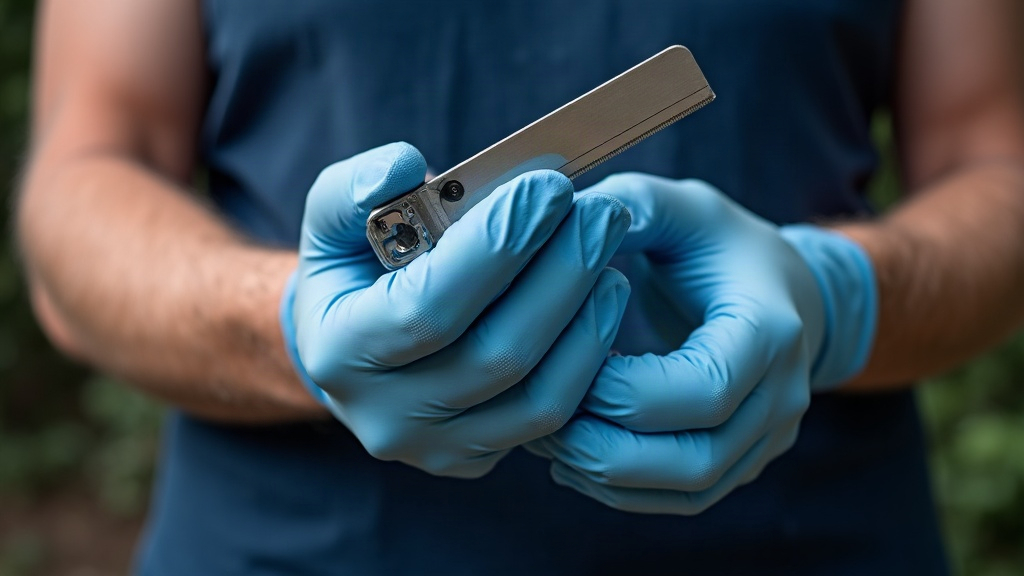
Model dimensions, materials, blade compatibility, and loading instructions should be checked against the maker’s documentation for the exact product and version. Manufacturer specifications are not independent measurements, and a photograph is not evidence of a product test.
How to read the evidence
Applies only where a specific razor, blade, or product and its conditions are explicitly identified.
Maker-supplied details should be checked against the exact model, market, and version.
A cautiously summarized pattern across identified sources, with disagreement acknowledged.
Background or explanatory framing, not a testing credential or objective measurement.
A subjective choice about feel, cost, convenience, or ritual—not a universal recommendation.
Technique variables
Change one thing. Pay attention.
Lather & preparation
Soften the beard with water, build a comfortably slick lather, and reapply before another pass.
Angle & pressure
Use light pressure and a shallow, familiar angle appropriate to the razor. Do not press harder to compensate for tugging.
Direction & passes
Begin with the grain, use fewer deliberate passes, and let comfort matter more than chasing perfect closeness.
Blade handling
Follow loading instructions, hold only unsharpened sides, and keep cutting edges away from fingers.
Use light pressure, fewer deliberate passes, and stop for pain or persistent irritation. Keep unused blades dry, secure, and away from children and pets. Place used blades in a closed puncture-resistant container and follow local disposal guidance. This is general grooming guidance, not medical advice.
I?ve tested enough blades over the last 23 years to know that most shavers decide too early. If you want the honest answer to How long should I test a blade before deciding if it?s right for me?, give that blade at least 3 to 5 shaves in the same razor before you judge it, because the first shave alone rarely tells the whole story.
I learned that lesson on my grandfather’s old razor, the one that pulled me into wet shaving in the first place. A blade that felt a little sharp and unsettled on shave one could smooth out beautifully by shave three, while another that seemed comfortable at first could start tugging once the edge lost its best bite. If you want a fair read on a blade, you need a short, controlled test period, not a one-shave verdict.
Why one shave is usually not enough
Double edge razor blades have small but meaningful differences in sharpness, coating, smoothness, and consistency. Your prep changes. Your skin changes. Even your technique can vary from one morning to the next. That means a single shave can be misleading for a few reasons:
- Your lather may have been too dry or too wet.
- You may have used too much pressure without noticing.
- The blade may feel slightly different on its first use than on its second or third.
- Your beard growth on that day may be heavier than normal.
- A blade can behave differently depending on the razor you load it into.
When people ask me for a double edge razor blades comparison, I tell them the same thing every time: compare blades over multiple shaves, under repeatable conditions, or the comparison is weak from the start.
The right testing window: 3 to 5 shaves
For most wet shavers, the ideal test window is 3 to 5 shaves per blade. That?s long enough to judge comfort, closeness, forgiveness, and how quickly the edge declines.
| Number of shaves | What you can learn | Best use |
|---|---|---|
| 1 shave | Initial sharpness, first impression, obvious irritation problems | Only for rejecting a clearly bad match |
| 2 to 3 shaves | Comfort, consistency, whether the blade settles in | Minimum serious test period |
| 4 to 5 shaves | Edge longevity, late-shave tugging, full value picture | Best for final decision |
| 6+ shaves | Maximum lifespan for your beard and razor setup | Useful only if you already like the blade |
If a blade gives you nicks, scraping, or real irritation on the first shave, you do not need to suffer through five shaves just to be scientific. But if the result is merely average, continue the test. Many excellent blades reveal their character after a couple of uses.
What to keep constant during your blade test
If you change three variables at once, you learn nothing. A fair blade test means keeping the rest of the shave as steady as possible.
Use the same razor
A blade that feels wonderfully balanced in a mild razor can feel harsh in a more aggressive head. Test the blade in one razor first. If you switch razors mid-test, you are no longer isolating the blade.
Use the same soap or cream
A slick, protective lather can make an average blade feel better than it is. A thin or airy lather can make a good blade seem rough. Stick with one soap or cream while testing.
Keep your prep consistent
Same shower routine, same face wash, same beard growth window if possible. If you usually shave every other day, keep doing that during the test. Don?t do shave one after 24 hours of growth and shave two after four days, then blame the blade.
Use the same number of passes
If you normally do with-the-grain, across-the-grain, and a light cleanup pass, stay with that. More passes create more chances for irritation and can distort the comparison.
How to know when a blade is right for you
The best blade is not the one with the loudest reputation. It is the one that gives your face the best balance of comfort and closeness in your razor. During your 3 to 5 shave test, look for these signals:
- Low tugging: The blade cuts cleanly without feeling like it is pulling whiskers.
- Low irritation: Your skin is calm during and after the shave.
- Predictable angle: The blade feels easy to find and hold on the skin.
- Efficient reduction: You remove stubble without endless buffing.
- Stable performance: Shave three is still good, not suddenly rough.
A blade is probably right for you if you can finish a close shave with minimal touch-up and your face feels normal an hour later. That delayed skin reaction matters. Some blades feel fine during the shave but leave you hot and irritated afterward.
When to stop testing early
There is a difference between a blade needing a fair chance and a blade being a bad fit. Stop early if you notice any of the following on the first or second shave:
- Repeated nicks despite careful technique
- Sharp burning during the pass
- Heavy tugging from the start
- Post-shave redness that lasts most of the day
- A rough, scraping feel no matter how light your pressure is
I?ve tossed plenty of blades before shave three. Discipline matters, but so does common sense. A controlled test should help you find a better blade, not prove how stubborn you are.
A simple blade testing method that actually works
- Pick one razor you know well.
- Use one blade brand for 3 to 5 shaves.
- Keep soap, prep, and pass count the same.
- Rate each shave for comfort, closeness, and irritation.
- Write one sentence after each shave.
- Decide only after the final planned shave, unless the blade is clearly awful.
This is the method I recommend to anyone building a real blade opinion rather than chasing internet hype. If you want to go a step further, test each blade brand with two separate blades over time. That helps catch occasional dud blades and gives you a more reliable verdict.
Should beginners test longer or shorter?
Beginners should usually test slightly longer, but more carefully. Early on, technique errors can make every blade seem inconsistent. If you are new to wet shaving, run a blade for 3 shaves, then try the same blade again a few weeks later after your technique improves.
That is also why starter blade variety packs make sense. You are not trying to crown a winner after one week. You are trying to narrow the field until you find two or three blades that repeatedly work for you.
If you want a good place to start, a double edge razor blade sampler pack is usually smarter than buying 100 blades of one brand too soon. Once you know your preferences, you can compare staples like Astra Superior Platinum double edge blades, Personna Platinum double edge blades, and Feather Hi-Stainless double edge blades with far more confidence.
How beard type and razor choice change the answer
Not every face burns through a blade at the same pace. If you have a coarse beard, daily growth, or use a milder razor, you may need the full 5-shave test to see whether the blade keeps its edge. If you have lighter growth or shave every few days, 3 good shaves may tell you enough.
Razor design matters too. A very mild razor often benefits from a sharper blade. A more efficient razor may pair better with a smoother blade. That is why a blade that disappoints you in one razor should not always be banished forever. It may just need a better match.
Common testing mistakes that ruin blade comparisons
- Changing razors too soon: You end up comparing razor geometry instead of blade character.
- Testing during poor technique weeks: If your angle is inconsistent, your notes will be too.
- Using dull blades too long: Past a certain point, you are measuring your tolerance, not blade quality.
- Judging only closeness: A very close shave is not worth it if your neck is on fire.
- Buying in bulk before testing: A hundred cheap blades are expensive if you dislike all of them.
FAQ
Can I decide after just one shave?
Only if the blade is obviously wrong for you. Severe tugging, irritation, or repeated nicks are enough to stop. Otherwise, give it 3 to 5 shaves before you decide.
How many blades from the same brand should I test?
Ideally two separate blades from the same brand if you want a reliable verdict. That helps rule out the occasional bad blade and gives you a cleaner comparison.
Should I test blades in more than one razor?
Yes, but not at first. First test the blade in one familiar razor. If the result is mixed, then try the same blade later in a different razor to see whether the pairing changes the outcome.
How long should a double edge blade last overall?
For many shavers, 3 to 7 shaves is normal, but beard thickness, shaving frequency, and razor choice all affect blade life. Longevity matters less than whether the blade stays comfortable while it lasts.
What should I write down during a blade test?
Keep it simple: razor used, shave number, comfort, closeness, irritation, and whether you would use the blade again. Short notes are enough if they are consistent.
The practical answer
If you want the shortest useful rule, test a blade for 3 shaves minimum and 5 shaves if it remains comfortable. That window gives you enough evidence to judge sharpness, smoothness, and longevity without turning your morning shave into a lab project. That is the standard I use after hundreds of razors and more blades than I care to count, and it is still the fastest way I know to separate a passing impression from a blade that genuinely belongs in your rotation.
Tradeoffs, uncertainty & affiliate disclosure
A closer shave can require more passes and may reduce comfort. Product feel varies with razor, blade, lather, angle, pressure, beard growth, and personal preference. ClassicBlade does not imply that every mentioned item was purchased, used, measured, or independently tested.
Some links may be affiliate links. ClassicBlade may earn a commission at no added cost to you; commercial links do not stand in for evidence.



Leave a Comment