

The quick take
Verdict, audience & limits
How to Prevent Razor Burn Safety Razor
I have learned the hard way that razor burn usually comes from bad pressure, bad prep, or the wrong blade […]
Who this is for
Readers deciding whether this shaving topic, method, or product category fits their routine and preferences.
What this cannot promise
A universal result, irritation-free shave, medical outcome, or firsthand product test unless that specific use is explicitly documented.
Specifications & source boundary
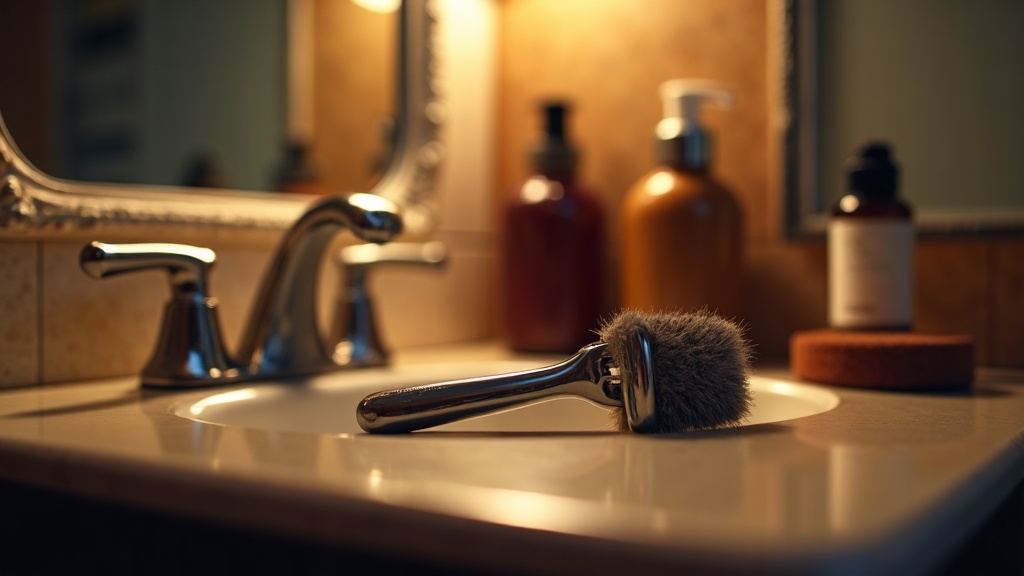
Model dimensions, materials, blade compatibility, and loading instructions should be checked against the maker’s documentation for the exact product and version. Manufacturer specifications are not independent measurements, and a photograph is not evidence of a product test.
How to read the evidence
Applies only where a specific razor, blade, or product and its conditions are explicitly identified.
Maker-supplied details should be checked against the exact model, market, and version.
A cautiously summarized pattern across identified sources, with disagreement acknowledged.
Background or explanatory framing, not a testing credential or objective measurement.
A subjective choice about feel, cost, convenience, or ritual—not a universal recommendation.
Technique variables
Change one thing. Pay attention.
Lather & preparation
Soften the beard with water, build a comfortably slick lather, and reapply before another pass.
Angle & pressure
Use light pressure and a shallow, familiar angle appropriate to the razor. Do not press harder to compensate for tugging.
Direction & passes
Begin with the grain, use fewer deliberate passes, and let comfort matter more than chasing perfect closeness.
Blade handling
Follow loading instructions, hold only unsharpened sides, and keep cutting edges away from fingers.
Use light pressure, fewer deliberate passes, and stop for pain or persistent irritation. Keep unused blades dry, secure, and away from children and pets. Place used blades in a closed puncture-resistant container and follow local disposal guidance. This is general grooming guidance, not medical advice.
I have learned the hard way that razor burn usually comes from bad pressure, bad prep, or the wrong blade match far more than some mystical flaw in the razor itself. Razor burn can make a good shave feel like a mistake. The sting, redness, and heat usually come from too much friction, too much pressure, or too many passes over skin that was not prepared well enough. A safety razor can actually reduce razor burn compared with many cartridge razors, but only when technique matches the tool. The goal is not to scrape hair off the skin. The goal is to let a sharp blade cut cleanly with as little irritation as possible.
If you keep getting razor burn with a safety razor, the fix is usually a combination of better prep, lighter pressure, fewer passes, and a blade setup that suits your skin. Once those parts work together, shaving becomes much more comfortable and consistent.
Understand What Causes Razor Burn
Razor burn is a form of irritation. It tends to show up when the blade removes not only stubble, but also too much of the skin’s surface oils and top layer. That can happen when the blade angle is too steep, when the razor is pressed into the skin, or when you keep shaving the same area after the lather is gone. Sensitive areas like the neck often react first because the hair grows in different directions and the skin is easier to aggravate.
Using a safety razor does not automatically prevent this. Even a high-quality razor will cause irritation if the blade is dull, the lather is thin, or the shave is rushed. Prevention comes from reducing friction and controlling blade contact.
Start With Proper Skin Preparation
Preparation matters more than many people think. Dry, stiff whiskers resist the blade and encourage you to push harder. Softened hair cuts more easily, which lowers the chance of irritation.
Wash your face with warm water before shaving, or shave after a shower when the beard is already hydrated. Apply a quality shaving soap or cream and give it enough water to become slick rather than pasty. A dense, dry foam may look impressive, but it often lacks glide. A good lather should cushion the skin while allowing the razor to move without dragging.
If you are especially prone to razor burn, let the lather sit on the beard for a minute before the first pass. That extra time can soften coarse stubble and make the shave easier right away.
Use the Right Blade and Replace It on Time
One of the biggest advantages of a safety razor is blade choice. Not every blade feels the same. Some are sharper and more efficient, while others feel smoother and slightly more forgiving. If you are getting razor burn, your current blade may simply be a poor match for your skin and hair type.
A dull blade forces extra work and can tug at the hair instead of cutting it cleanly. That often leads to repeated strokes and more pressure, which is exactly what causes irritation. Replace blades regularly and test a few reputable options until you find one that gives you a close shave without harshness. There is no universal best blade, only the one that works best in your razor and on your face.
Let the Razor Do the Work
The most common safety razor mistake is using cartridge-razor pressure. With a cartridge, many people learn to press harder to get a close result. With a safety razor, that habit creates problems fast. The weight of the razor is usually enough on its own. Pressing turns a controlled cut into scraping.
Hold the razor lightly and guide it instead of forcing it. Short strokes help you stay in control and adjust as you move across the contours of the face and neck. If the razor does not seem to be cutting well, pressure is rarely the answer. The better fix is usually adjusting the blade angle or improving your lather.
Find a Comfortable Blade Angle
Blade angle has a direct effect on comfort. Too steep, and the blade feels harsh and scratchy. Too shallow, and it may skip or fail to cut effectively. A practical approach is to place the razor cap lightly against the skin, then slowly lower the handle until the blade just begins to engage the hair. That is often close to the sweet spot.
Once you find that angle, try to maintain it throughout the stroke. Consistency matters more than chasing an ultra-close shave. A comfortable, repeatable angle will usually give better long-term results than trying to remove every trace of stubble in one pass.
Shave With the Grain First
If razor burn is a recurring problem, always make your first pass with the grain, meaning in the same direction your hair naturally grows. This is especially important on the neck, where growth patterns can change from one patch of skin to another. Mapping your beard growth can help a lot. Spend a minute feeling which way the stubble lies in each area, then shave accordingly.
Going against the grain too early can produce a closer result in the moment, but it often increases irritation. For many people, a with-the-grain pass followed by a careful across-the-grain pass is enough. If your skin is sensitive, you may not need an against-the-grain pass at all.
Limit the Number of Passes
Razor burn often comes from overworking the same area. Each pass removes a little more protection from the skin, even when the technique is decent. Chasing absolute smoothness can leave the face inflamed for the rest of the day.
Keep your shave deliberate. Reapply lather before every pass, and avoid buffing the same spot repeatedly unless there is still enough slickness on the skin. If a small patch is not perfectly smooth, it is usually better to leave it than to keep scraping until the area turns red.
Do Not Ignore Post-Shave Care
What you do after the shave affects how the skin recovers. Rinse with cool water to remove leftover lather and help calm the skin. Pat dry instead of rubbing with a towel. Then apply a gentle, alcohol-free post-shave balm or moisturizer to restore hydration.
If your skin feels hot or tight after shaving, that is a sign it needs more support, not more fragrance or harsh astringents. Simple, soothing products are usually the better choice when razor burn is the problem.
Common Safety Razor Habits That Lead to Razor Burn
Even a solid routine can fail if a few bad habits stay in the mix. The most common ones include shaving too fast, using little to no prep, pressing the razor into the skin, stretching passes too long, and trying to get a baby-smooth finish every time. Another common issue is using an aggressive razor setup before technique is fully developed. If your skin is reacting badly, a milder razor or blade combination may help while you refine your approach.
It is also worth paying attention to frequency. If your skin is already irritated, shaving again too soon can extend the problem. Sometimes the smartest move is to give your face an extra day to recover.
When to Adjust Your Routine
If you are doing everything right and still getting razor burn, simplify the process and change one variable at a time. Try a different blade. Use more water in the lather. Reduce your shave to two passes instead of three. Skip against-the-grain shaving for a week and see whether your skin improves. Small adjustments are easier to evaluate than a complete overhaul.
Consistency matters here. A good shave routine is not built from random tips used once. It comes from repeating a method that your skin tolerates well and only making deliberate changes when needed.
Final Thoughts
Preventing razor burn with a safety razor comes down to respect for technique. Prepare the skin well, use a sharp blade, keep the angle controlled, apply almost no pressure, and resist the urge to over-shave. The safety razor can be an excellent tool for a close and comfortable shave, but it rewards patience more than force.
When you focus on comfort first, closeness usually improves as a result. A smooth shave should not leave your skin angry. With the right routine, it does not have to.
What I Fix First
- Too much pressure on the handle.
- A blade that is either too dull or too harsh for your skin.
- Rushing prep and shaving against the grain too early.
- Piling on too many touch-up passes over already irritated skin.
If you are trying to calm down irritation without buying junk, I would start by comparing alum blocks for shaving and alcohol free aftershave balm because those are the kinds of practical fixes that usually matter more than chasing a new razor every time your skin gets angry.
Tradeoffs, uncertainty & affiliate disclosure
A closer shave can require more passes and may reduce comfort. Product feel varies with razor, blade, lather, angle, pressure, beard growth, and personal preference. ClassicBlade does not imply that every mentioned item was purchased, used, measured, or independently tested.
Some links may be affiliate links. ClassicBlade may earn a commission at no added cost to you; commercial links do not stand in for evidence.



Leave a Comment