

The quick take
Verdict, audience & limits
How to Safely Dispose of Safety Razor Blades
How to Safely Dispose of Safety Razor Blades After 23 years of wet shaving and going through thousands of blades, […]
Who this is for
Readers deciding whether this shaving topic, method, or product category fits their routine and preferences.
What this cannot promise
A universal result, irritation-free shave, medical outcome, or firsthand product test unless that specific use is explicitly documented.
Specifications & source boundary
Model dimensions, materials, blade compatibility, and loading instructions should be checked against the maker’s documentation for the exact product and version. Manufacturer specifications are not independent measurements, and a photograph is not evidence of a product test.
How to read the evidence
Applies only where a specific razor, blade, or product and its conditions are explicitly identified.
Maker-supplied details should be checked against the exact model, market, and version.
A cautiously summarized pattern across identified sources, with disagreement acknowledged.
Background or explanatory framing, not a testing credential or objective measurement.
A subjective choice about feel, cost, convenience, or ritual—not a universal recommendation.
Technique variables
Change one thing. Pay attention.
Lather & preparation
Soften the beard with water, build a comfortably slick lather, and reapply before another pass.
Angle & pressure
Use light pressure and a shallow, familiar angle appropriate to the razor. Do not press harder to compensate for tugging.
Direction & passes
Begin with the grain, use fewer deliberate passes, and let comfort matter more than chasing perfect closeness.
Blade handling
Follow loading instructions, hold only unsharpened sides, and keep cutting edges away from fingers.
Use light pressure, fewer deliberate passes, and stop for pain or persistent irritation. Keep unused blades dry, secure, and away from children and pets. Place used blades in a closed puncture-resistant container and follow local disposal guidance. This is general grooming guidance, not medical advice.
How to Safely Dispose of Safety Razor Blades
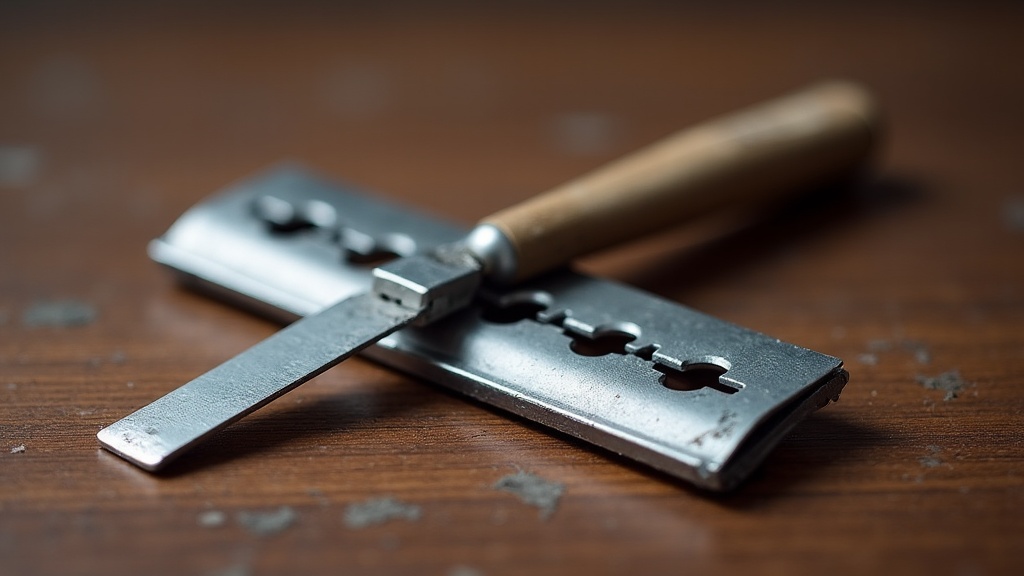
After 23 years of wet shaving and going through thousands of blades, I’ll tell you straight: the safest way to dispose of safety razor blades is in a dedicated blade bank or puncture-proof container that you seal and trash once full. Don’t throw loose blades in the garbage — that’s how sanitation workers get hurt.
I learned this lesson early when my grandfather handed me his 1959 Gillette Fatboy. He also showed me his old blade bank — a simple metal slot in the bathroom wall that dropped used blades into the space between studs. Houses don’t have those anymore, but the principle remains: keep sharp blades contained and clearly marked.
Why Proper Blade Disposal Matters
Safety razor blades are legitimately dangerous. They’re designed to be sharp enough to slice through hair at the follicle level, which means they’ll go through skin without resistance. I’ve tested over 300 razors, and every blade — from budget Derby to premium Feather — deserves respect when it’s spent.
The real risk isn’t to you. It’s to the sanitation workers who handle your trash, the recycling center employees, or even family members who might reach into a bathroom wastebasket. A loose blade in a garbage bag is an accident waiting to happen.
Used blades are also considered sharps waste in most jurisdictions. While household sharps regulations vary, the safest approach treats them like medical sharps — contained, sealed, and clearly labeled.
The Blade Bank: Best Option for Most Shavers
A blade bank is a container with a slot just wide enough to accept a used blade but too narrow to let it slip back out. Once you fill it — which takes years for most shavers — you seal it and throw it in regular trash.
I keep a safety razor blade bank on my bathroom counter. Mine holds about 100 blades, and at 2-3 blades per week, that’s roughly a year between disposals. Some banks hold 300+ blades and can last several years.
What Makes a Good Blade Bank
- Narrow slot: Blades go in but can’t fall out, even if knocked over
- Opaque material: You can’t see the blades stacking up (matters for some people)
- Clear capacity: Either transparent sides or a rattle test tells you when it’s full
- Permanent seal: Once full, you should be able to tape or lock it shut
The classic metal blade banks work fine, but I’ve also seen excellent plastic versions. The material matters less than the design — just make sure blades can’t escape.
DIY Blade Disposal Containers
You don’t need to buy anything specialized. I’ve used plenty of improvised blade banks over the years, especially when traveling or at the cabin.
Empty Prescription Bottles
Old pill bottles with child-proof caps work perfectly. The opening is narrow enough for blades, the container is puncture-resistant, and the cap screws tight. When full, wrap the whole bottle in duct tape and mark it “SHARPS” with a permanent marker.
I prefer the amber plastic bottles over clear ones. There’s something about seeing a container full of used blades that feels unnecessarily grim.
Metal Soup or Coffee Cans
Cut a slot in the plastic lid of a metal can — about 1 inch long works well. Drop blades through the slot. When full, tape the lid down securely, then wrap the whole can in duct tape. Mark it clearly as containing sharps.
This was my grandfather’s method before blade banks became common. He used old coffee cans and never had an issue. The metal container prevents punctures completely.
Rigid Plastic Containers
Heavy-duty plastic bottles from laundry detergent, bleach, or protein powder work well. Cut a small slot in the side near the top. The thick plastic resists punctures, and you can see when it’s getting full (if the plastic is translucent).
Make sure whatever container you use can be permanently sealed. I use duct tape for most DIY options, plus a clear label: “Used razor blades — sharps.”
Comparison of Blade Disposal Methods
| Method | Capacity | Safety | Cost | Best For |
|---|---|---|---|---|
| Commercial Blade Bank | 100-300+ blades | Excellent | $5-15 | Daily shavers, permanent bathroom setup |
| Prescription Bottle | 30-50 blades | Very good | Free | Occasional shavers, travel |
| Metal Can (DIY) | 200+ blades | Excellent | Free | Budget option, multiple shavers |
| Sharps Container | Varies | Excellent | $8-20 | Medical waste, official disposal |
| Plastic Detergent Bottle | 150+ blades | Good | Free | Large capacity, cost-conscious |
Medical Sharps Containers: When to Consider Them
If you want the most official option, sharps disposal containers are designed exactly for this purpose. They’re what hospitals and clinics use for needles and scalpels.
I’ve used these when I had other sharps waste in the house (insulin needles for a diabetic dog). They’re overbuilt for safety razor blades — which is good — but they’re also bulkier and more expensive than necessary for just razor blades.
One advantage: some municipalities have sharps disposal programs where you can drop off sealed sharps containers at pharmacies or waste facilities. If your area offers this, it’s worth using an official sharps container to access the program.
What NOT to Do With Used Blades
Over the years, I’ve seen some questionable disposal methods. Here’s what to avoid:
Don’t wrap blades in paper and throw them in the trash. Paper tears. Garbage bags shift. The blade will work its way free, and someone will get cut.
Don’t put blades in recycling. Even if the blade is stainless steel, it’s contaminated with biological material (your skin cells and blood). More importantly, recycling facility workers sort materials by hand. Loose blades in recycling are dangerous.
Don’t flush blades down the toilet. They won’t dissolve, they can damage plumbing, and they’ll end up in wastewater treatment where they’re a hazard to workers.
Don’t leave blades in the original wrapper and toss them. The paper wrapper isn’t puncture-proof. It’s slightly better than throwing them loose, but not safe enough.
Don’t keep blades indefinitely waiting for a recycling option. Some shavers stockpile used blades hoping to find a metal recycling program that accepts them. Unless you have a specific plan and timeline, just dispose of them safely in regular trash. The environmental impact of a few grams of steel is negligible compared to the safety risk of improper storage.
Traveling With Used Blades
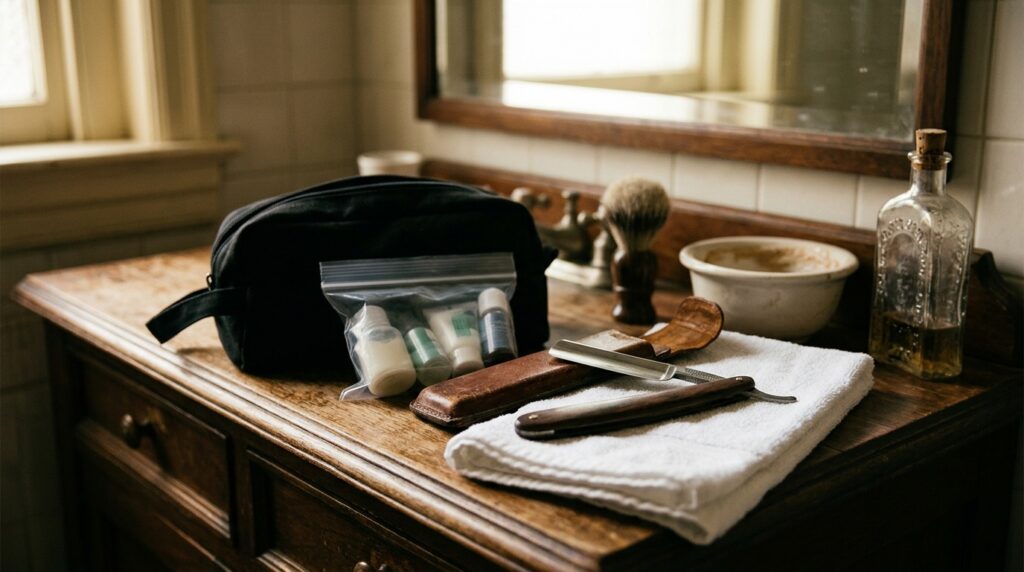
When I travel, I bring a small prescription bottle as a portable blade bank. It holds 2-3 weeks worth of blades easily, fits in my dopp kit, and I can dispose of the whole sealed bottle at home.
Some shavers use the original blade wrapper to temporarily store used blades while traveling. This works for a few days, but put the wrapped blade in a rigid container (like a hard glasses case) so it doesn’t poke through your toiletry bag.
Never put loose used blades in checked luggage. TSA likely won’t catch it, but airline baggage handlers might get injured. It’s not worth the risk.
How Long Until a Blade Bank Is Full?
Math based on my own shaving habits: I change blades every 4-5 shaves, which is about twice per week. That’s roughly 100 blades per year. A standard 100-blade bank lasts me about 12 months.
If you shave daily and change blades more frequently — say, every 3 shaves — you might go through 120+ blades per year. A 300-blade bank would last about 2.5 years at that rate.
The nice thing about blade banks is you set them up once and forget about them. No maintenance, no mess, just drop the blade in the slot after each change.
Disposing of the Full Container
When your blade bank or DIY container is full, seal it permanently. I use heavy duct tape wrapped multiple times around any opening. Then I mark it clearly with a permanent marker: “USED RAZOR BLADES” or “SHARPS — DO NOT OPEN.”
Throw it in regular household trash. Don’t overthink this step. The container keeps the blades secure, the label warns anyone who might encounter it, and it goes to the landfill like any other non-recyclable waste.
Some people get concerned about the environmental impact. Here’s perspective: a year’s worth of razor blades weighs maybe 3-4 ounces of steel. That’s less than a single soda can. The safety benefit of proper disposal vastly outweighs the minimal environmental cost.
Teaching Others Proper Disposal
If you live with other shavers, make sure everyone knows the system. I keep the blade bank right next to my razor stand. It’s visible, accessible, and there’s no excuse to dispose of blades any other way.
When my kids started shaving, the blade bank was part of the lesson. Same as learning proper blade angle and pressure — you learn safe disposal from day one. It becomes automatic.
Frequently Asked Questions
Can you recycle safety razor blades?
Technically yes — they’re stainless steel. Practically no — most recycling programs won’t accept them because they’re sharps waste and contaminated with biological material. A few specialized programs exist (some blade manufacturers offer mail-in recycling), but for most shavers, sealed disposal in regular trash is the safest and most practical option. The amount of steel in a year’s worth of blades is negligible from an environmental perspective.
How many blades does a blade bank hold?
Standard blade banks hold 100-200 blades, though larger versions can hold 300 or more. At typical usage rates (2-3 blades per week), a 100-blade bank lasts 8-12 months, and a 300-blade bank can last 2-3 years. DIY containers like metal cans often hold even more. You’ll know it’s full when blades no longer drop freely through the slot or when you hear it’s packed when shaken.
Is it illegal to throw razor blades in the trash?
In most places, it’s legal to dispose of household sharps (including razor blades) in regular trash if they’re in a puncture-proof, sealed container clearly marked as sharps. Loose blades in trash are dangerous and may violate local waste regulations. Medical facilities have stricter rules, but home shavers using blade banks or sealed containers are typically following proper protocol. Check your local waste management guidelines if unsure.
What do you do with used blades when traveling?
Bring a small, secure container like a prescription bottle or travel-size blade bank. Drop used blades in it during your trip, then dispose of them properly when you get home. If you’re traveling light, you can temporarily store a used blade in its original wrapper inside a hard case (like a glasses case) to prevent punctures. Never leave loose blades in hotel rooms or throw them in unfamiliar trash systems where disposal protocols are unknown.
Can you use a sharps container for razor blades?
Absolutely. Medical sharps containers work perfectly for safety razor blades — they’re actually overbuilt for this purpose, which is a good thing. They’re more expensive than simple blade banks, but if you already have one (from other medical needs) or if your area has a sharps disposal program at pharmacies, they’re an excellent choice. The main downside is size and cost if you’re only disposing of razor blades.
Tradeoffs, uncertainty & affiliate disclosure
A closer shave can require more passes and may reduce comfort. Product feel varies with razor, blade, lather, angle, pressure, beard growth, and personal preference. ClassicBlade does not imply that every mentioned item was purchased, used, measured, or independently tested.
Some links may be affiliate links. ClassicBlade may earn a commission at no added cost to you; commercial links do not stand in for evidence.


Leave a Comment