

The quick take
Verdict, audience & limits
What Helps to Prevent Razor Burn
I have shaved with everything from modern stainless safety razors to 1930s Gillette Techs pulled from neglected estate boxes, and […]
Who this is for
Readers deciding whether this shaving topic, method, or product category fits their routine and preferences.
What this cannot promise
A universal result, irritation-free shave, medical outcome, or firsthand product test unless that specific use is explicitly documented.
Specifications & source boundary
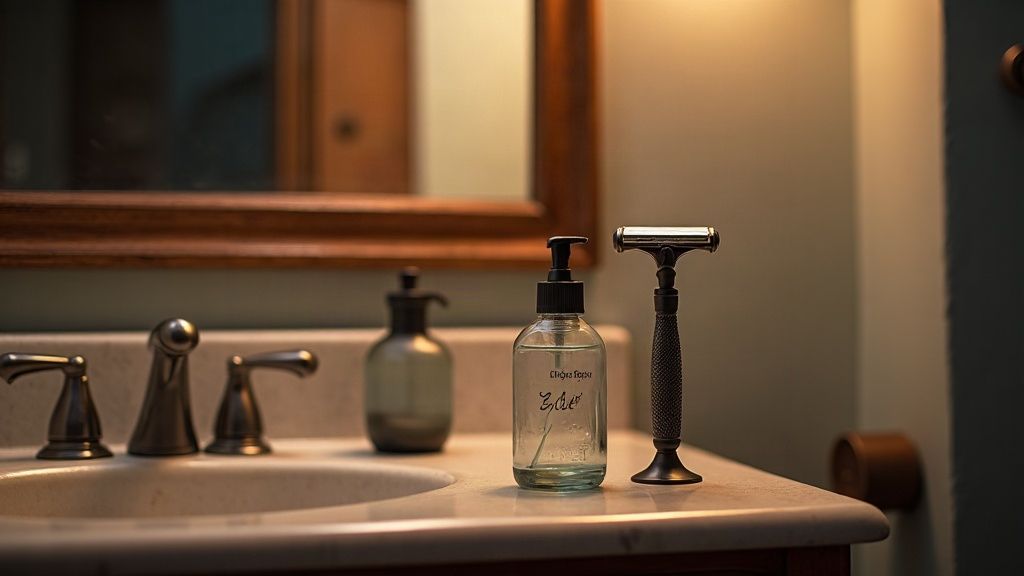
Model dimensions, materials, blade compatibility, and loading instructions should be checked against the maker’s documentation for the exact product and version. Manufacturer specifications are not independent measurements, and a photograph is not evidence of a product test.
How to read the evidence
Applies only where a specific razor, blade, or product and its conditions are explicitly identified.
Maker-supplied details should be checked against the exact model, market, and version.
A cautiously summarized pattern across identified sources, with disagreement acknowledged.
Background or explanatory framing, not a testing credential or objective measurement.
A subjective choice about feel, cost, convenience, or ritual—not a universal recommendation.
Technique variables
Change one thing. Pay attention.
Lather & preparation
Soften the beard with water, build a comfortably slick lather, and reapply before another pass.
Angle & pressure
Use light pressure and a shallow, familiar angle appropriate to the razor. Do not press harder to compensate for tugging.
Direction & passes
Begin with the grain, use fewer deliberate passes, and let comfort matter more than chasing perfect closeness.
Blade handling
Follow loading instructions, hold only unsharpened sides, and keep cutting edges away from fingers.
Use light pressure, fewer deliberate passes, and stop for pain or persistent irritation. Keep unused blades dry, secure, and away from children and pets. Place used blades in a closed puncture-resistant container and follow local disposal guidance. This is general grooming guidance, not medical advice.
I have shaved with everything from modern stainless safety razors to 1930s Gillette Techs pulled from neglected estate boxes, and the fast answer is this: what helps to prevent razor burn most is less pressure, fewer passes, better prep, and a blade that is sharp enough to cut cleanly without scraping. Good lather matters. Shaving with the grain matters. Not chasing a glass-smooth finish on angry skin matters even more. The American Academy of Dermatology recommends shaving after warm water exposure, using shaving cream, shaving in the direction of hair growth, and rinsing the blade after each stroke, all of which line up with what I have seen at the sink for years, not just in theory but in practice (AAD shaving guidance).
Razor burn is usually a mix of friction, irritation, and technique errors. Sometimes it overlaps with ingrown hairs or pseudofolliculitis barbae, especially if your whiskers are curly or your shave is too close. Mayo Clinic and JAMA Dermatology both note that shaving too close, stretching the skin, and repeatedly shaving the same spot can make ingrown hairs and inflammation more likely (Mayo Clinic on folliculitis; JAMA Dermatology on pseudofolliculitis barbae). If your shave leaves your face hot, tight, and prickly for hours, the fix is usually not a miracle product. It is changing how close and how aggressively you shave.
What Actually Prevents Razor Burn
If I had to boil it down to one checklist, it would be this: soften the beard, build slick lather, use a light touch, shave with the grain first, and stop before your skin starts arguing back. That sounds simple because it is simple. Wet shaving goes wrong when people try to force closeness instead of letting angle and reduction do the work.
- Hydrate the whiskers first. Warm water for a few minutes makes beard hair easier to cut and reduces drag.
- Use a real shaving lubricant. Cream, soap, or gel should leave a slick cushion, not airy foam that disappears on the face.
- Keep pressure near zero. A safety razor should glide on the cap and guard, not be pushed into the skin.
- Shave with the grain on the first pass. Against-the-grain work is where many faces get punished.
- Limit repeat strokes. Every extra pass removes more protection from the skin.
- Use a fresh blade. Tugging blades cause people to compensate with pressure, which is where burn starts.
One workshop lesson I learned restoring old adjustable razors applies here too: when a tool feels harsh, the first instinct is often wrong. Men blame the razor design when the problem is usually pressure, angle, or an overused blade. I have seen perfectly mild razors leave a neck raw because the user kept buffing one trouble patch ten times.
Prep Matters More Than Most Men Think
The beard should be softened before the blade touches it. The AAD specifically advises shaving after a shower or after holding warm water on the skin, because hydrated skin and hair reduce clogging and friction (AAD shaving guidance). I prefer three to five minutes of warm water, then lather worked in long enough to actually coat the stubble. A rushed, dry-face shave is one of the easiest ways to earn razor burn.
If your skin is sensitive, keep the prep boring. Fragranced face washes, alcohol-heavy pre-shaves, and aggressive scrubs right before shaving can leave the skin already irritated. That means the razor starts with you at a disadvantage. The NHS also notes that irritation and ingrown hairs are less likely when you use proper shaving products and avoid methods that inflame the skin (NHS ingrown hair advice).
For most men, a simple routine works best: wash with warm water, apply lather, let it sit briefly, then shave. If you want one practical add-on, an alum block for shaving can help you identify sloppy pressure after the shave. If it lights your whole face on fire, your technique needs work more than your product shelf needs expansion.
Technique Fixes That Reduce Burn Fast
Use less pressure than you think
This is the big one. Cartridge users often come to safety razors with the habit of pressing. That habit does not translate well. With a safety razor, the weight of the razor is usually enough. I tell people to hold the handle a little farther back for a week. It naturally encourages a lighter touch.
Map the grain before you chase closeness
Many men swear they shave ?with the grain? when they actually do not know the grain on the neck. That area often grows sideways, diagonally, or in little whorls. If you shave the neck in the wrong direction, you can create burn even with good lather and a decent blade. JAMA Dermatology specifically recommends short strokes in the direction of growth and warns against stretching the skin (JAMA Dermatology).
Do not stretch the skin for a closer shave
Stretching makes the hair stand up for a tighter cut, but it also encourages the hair to retract below the skin surface. That is a fine recipe for ingrowns, especially on the neck. Mayo Clinic dermatologist guidance on shaving too close points to exactly that problem: closely cut hair can turn back into the skin and inflame the area (Mayo Clinic video guidance).
Stop at socially close
Another judgment call from years of daily and test shaving: baby-smooth is overrated if your skin does not tolerate it. A shave can look clean, feel neat, and still leave a trace of texture. That is often the sweet spot for men prone to burn. If your face looks good and feels calm, do not ruin it chasing one more polishing pass.
Safety Razor Setup: Blade, Razor, and Pass Strategy
People ask whether a safety razor helps prevent razor burn. It can, but only if the setup is sensible. The AAD notes that single- or double-blade razors may help people who frequently get razor bumps or burns, because very close multi-blade cutting can worsen the problem for some shavers (AAD skin care tips for men). That does not mean every safety razor is automatically gentle. Blade feel still varies.
| Shaving variable | Usually lowers razor burn risk | Usually raises razor burn risk |
|---|---|---|
| Blade condition | Fresh, smooth blade changed before tugging starts | Dull blade that skips and drags |
| Pass count | One or two efficient passes | Three or four cleanup passes on the same spot |
| Direction | With the grain first, across only if skin allows | Against the grain on sensitive areas every shave |
| Razor behavior | Mild to medium setup with stable angle | Very aggressive setup used to force closeness |
| Skin handling | Loose, relaxed skin with short strokes | Skin stretching and fast buffing |
If you are troubleshooting burn, change one variable at a time. Do not switch razor, blade, soap, and aftershave all in the same week and then pretend you ran a fair test. My usual order is blade first, then pass count, then razor choice. In plain terms, I would rather see a man use a milder razor well than a very efficient razor badly.
If you are still dialing in blades, a tagged Amazon category search for a double edge razor blade sampler is more useful than buying a hundred of one blade on blind faith. Blade personality is real. What feels smooth on my face may feel harsh on yours.
Lather, Brushwork, and Why Dry Passes Wreck a Shave
Razor burn often appears when lubrication fails halfway through the shave. Thin, airy lather or a rushed re-pass on nearly bare skin creates friction fast. I want lather that stays wet, slick, and stable for the full pass. If you can see the lather drying on your face while you shave, slow down and add water.
A traditional shaving brush can help because it works product into the beard and lifts stubble, but technique matters more than gear price. A good sensitive-skin shaving soap or cream is worth far more than a fancy handle paired with bad prep. One of my old-school biases is that dense, pasty lather is not automatically better. Slickness beats thickness. If the razor glides cleanly, the skin usually tells you so.
Never do a dry cleanup stroke because ?there is only a little left.? That little patch is where men tear up the neck. Re-lather, even if it feels fussy. Good shaving is often just disciplined repetition of small boring steps.
Aftercare: Calm the Skin Instead of Punishing It
Once the shave is done, rinse with cool water and leave the face alone for a moment. If the skin is already irritated, splashing on a heavily fragranced, high-alcohol aftershave can turn mild burn into a full sting session. The goal is to settle the skin, not prove your toughness.
A simple, fragrance-light post-shave routine is usually enough: cool rinse, pat dry, then a soothing product if needed. If you prefer classic tools, an alcohol-free witch hazel aftershave is a reasonable category to explore. If you deal with persistent bumps rather than plain irritation, the issue may be less ?razor burn? and more ingrown hairs or pseudofolliculitis. That is where changing shave closeness matters more than splashing on another tonic.
When the skin is already inflamed, the honest answer is sometimes to skip a close shave for a few days. Mayo Clinic and NHS guidance both support a more careful approach when hairs are becoming ingrown or inflamed (Mayo Clinic; NHS). A guarded electric trimmer or simply leaving a bit of length can break the cycle.
Razor Maintenance, Sanitation, and What Damages Old Razors
A clean razor shaves more predictably, but men often overdo sanitation and damage the tool. This matters if you use vintage safety razors, plated brass pieces, or heirloom-adjustables. Hot water, a soft toothbrush, dish soap, and thorough drying will handle ordinary residue just fine. You do not need to attack old plating with abrasive powders, boiling water, or harsh chemical soaks after every shave.
This is one place where my restoration work makes me stubborn: I have seen more old razors harmed by enthusiastic cleaning than by honest use. Gold wash, nickel plating, lacquered finishes, and painted adjustment numbers do not appreciate rough handling. If you want a maintenance tool, use a soft-bristle cleaning brush and a gentle hand.
For routine hygiene, rinse the razor well, loosen the head if your model allows it, let it dry, and change blades before corrosion or drag becomes an issue. Sanitation matters, but there is a tradeoff: the stronger the chemistry, the higher the chance you haze plating, fade markings, or dry out handle materials. That is why I reserve stronger disinfection for genuine need, not daily habit.
A blade bank also keeps used blades from floating around the medicine cabinet. If you want a simple disposal option, a razor blade bank is cheap insurance against bad housekeeping.
When Razor Burn Is Really Ingrown Hair Trouble
If you get red bumps a day or two after shaving, especially on the neck, that may be more than simple razor burn. AAD, Mayo Clinic, and JAMA all point toward ingrown-hair mechanics: hair cut too close can curl back into the skin and create inflammation (AAD razor bump advice; Mayo Clinic; JAMA Dermatology). In that case, the solution is usually to shave less close, not to scrub harder.
If bumps are persistent, painful, or leaving dark marks or scars, it is worth getting a dermatologist involved. That is especially true if you suspect infection, recurring folliculitis, or pseudofolliculitis barbae that does not respond to gentler technique. No article can replace a proper diagnosis when the skin is staying inflamed.
FAQ
What helps to prevent razor burn with a safety razor?
The biggest wins are warm-water prep, slick lather, a fresh blade, almost no pressure, and shaving with the grain first. A safety razor can reduce irritation for some men, but only if you avoid over-buffing and do not chase an ultra-close finish every time.
Is razor burn caused by a dull blade or a sharp blade?
Usually a dull or rough-feeling blade. A blade that tugs makes people press harder and repeat strokes. A sharp but smooth blade used lightly is usually kinder than a tired blade dragged through another shave.
Should you shave against the grain if you get razor burn?
Usually no, at least not on the first pass and not on areas that already flare up. Men who are prone to burn or ingrown hairs often do better stopping after a with-the-grain pass or a careful across-the-grain second pass.
Can old razors cause razor burn?
Age itself does not cause razor burn. Poor alignment, damaged edges on the cap or guard, soap buildup, or user technique can. I trust a well-maintained vintage razor more than many modern razors, but I do inspect old pieces carefully before putting them into rotation.
What should you put on razor burn after shaving?
Start with a cool rinse and a gentle, non-irritating product. Avoid loading up angry skin with heavily fragranced splashes. If you are dealing with repeated bumps, focus on changing shave technique first and seek medical advice if the area stays inflamed.
Tradeoffs, uncertainty & affiliate disclosure
A closer shave can require more passes and may reduce comfort. Product feel varies with razor, blade, lather, angle, pressure, beard growth, and personal preference. ClassicBlade does not imply that every mentioned item was purchased, used, measured, or independently tested.
Some links may be affiliate links. ClassicBlade may earn a commission at no added cost to you; commercial links do not stand in for evidence.


Leave a Comment